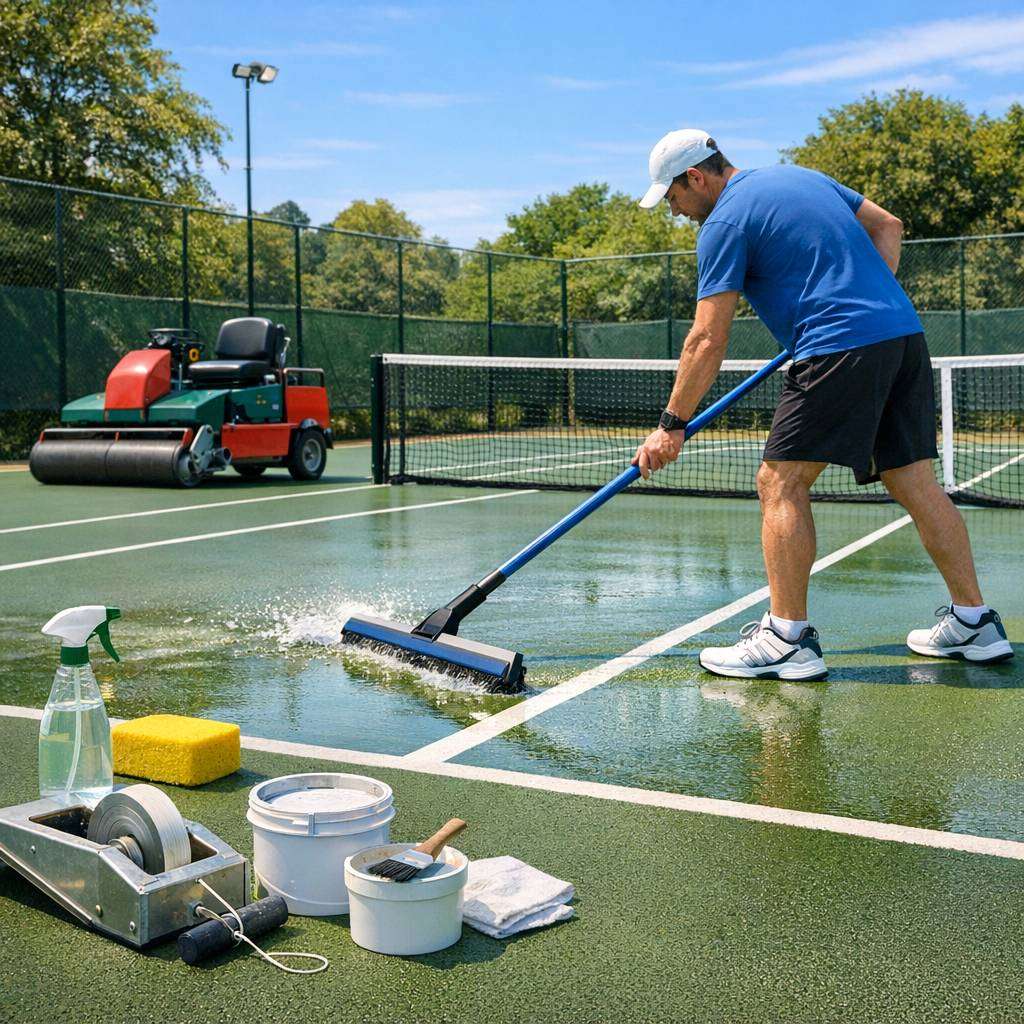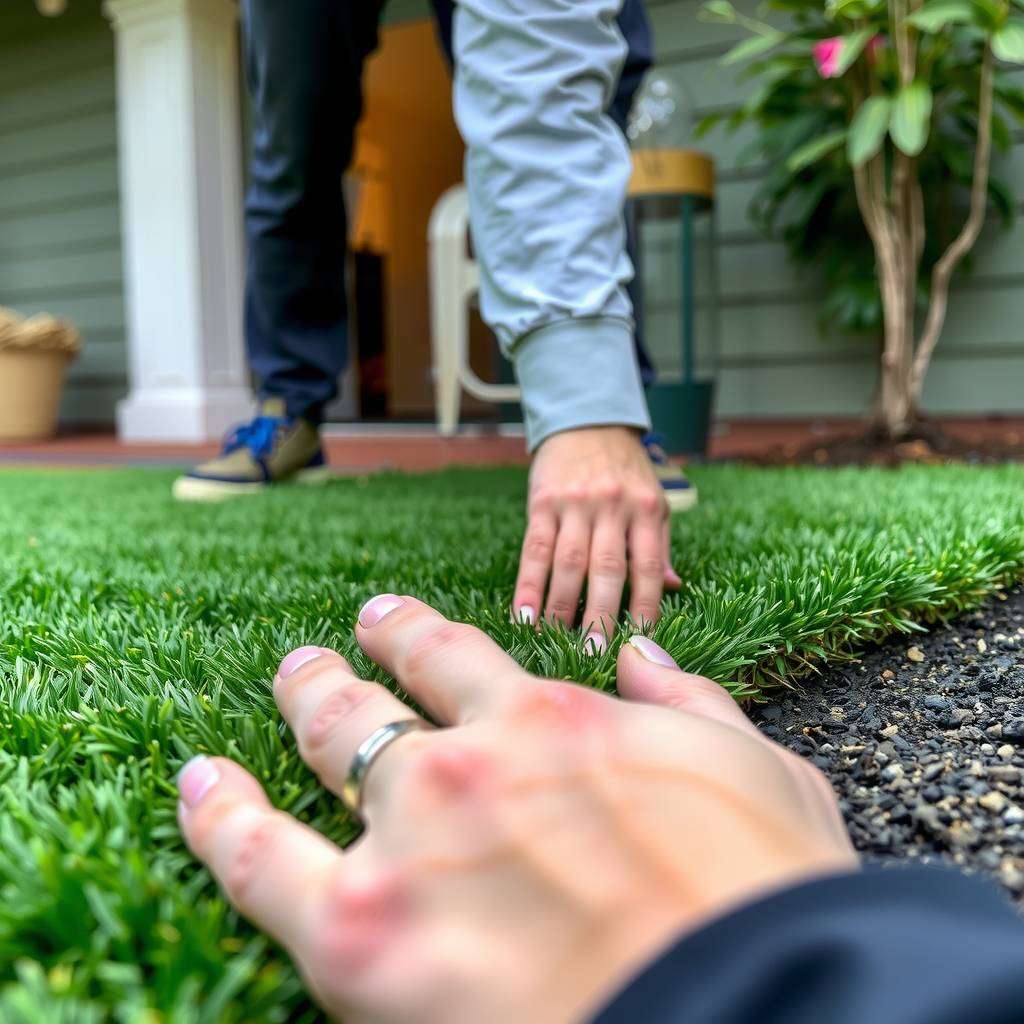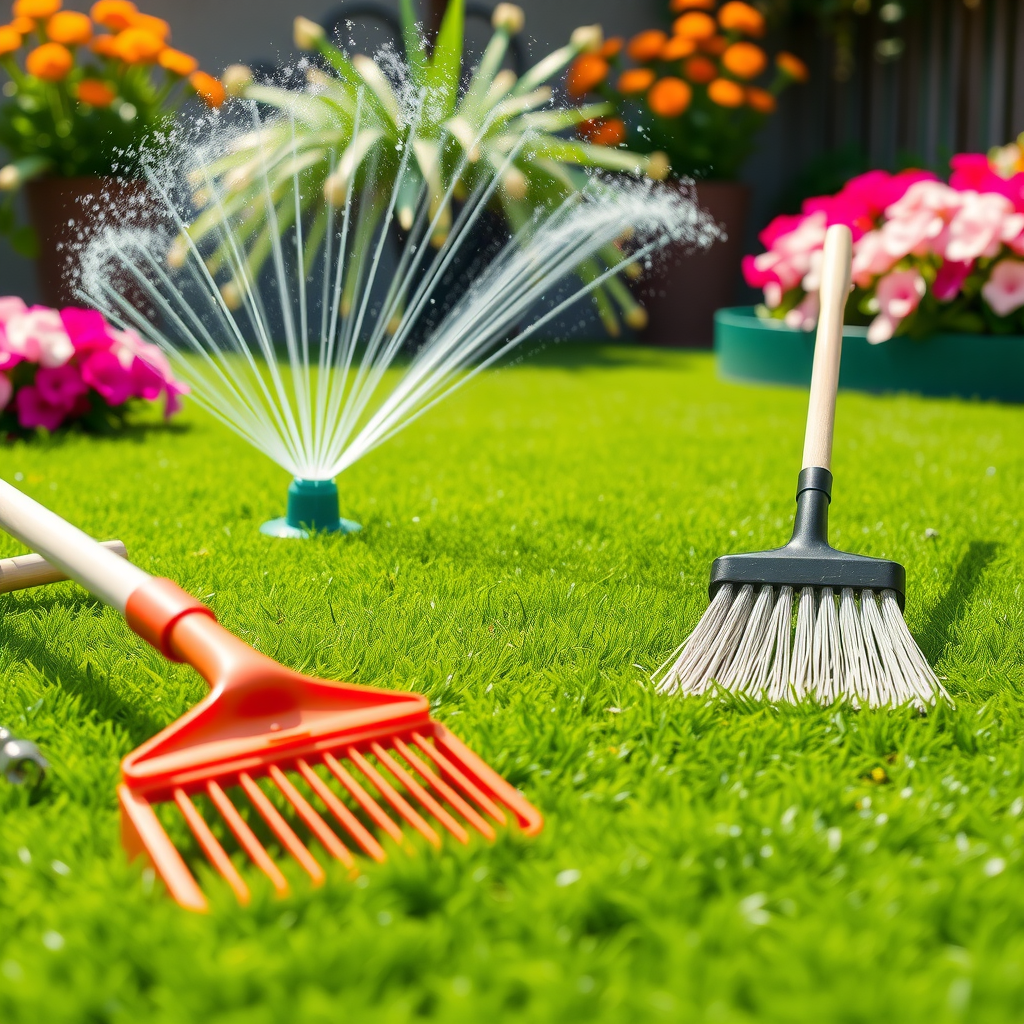

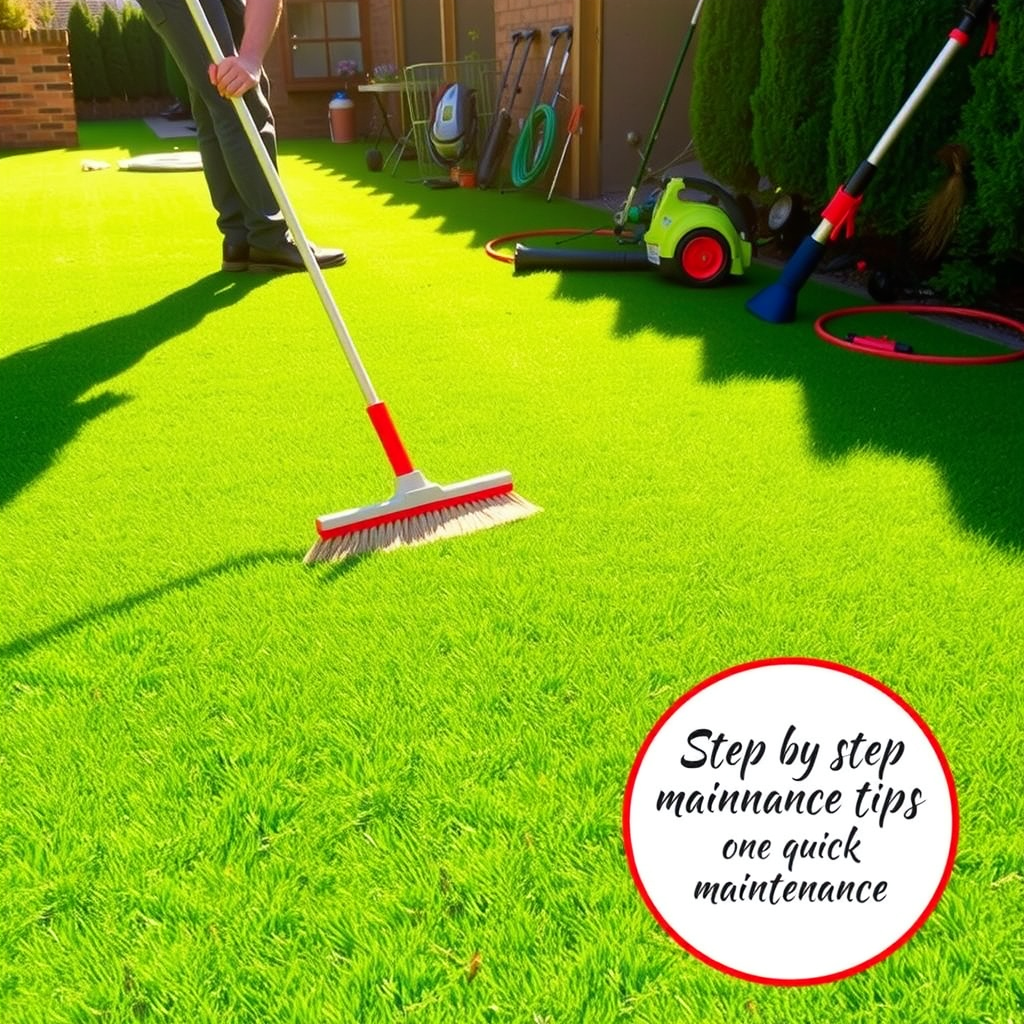
Artificial grass has become an increasingly popular choice for homeowners and businesses across the UK. Its lush appearance and low-maintenance qualities make it an attractive alternative to natural lawns. However, even though it requires less upkeep than natural grass, maintaining artificial grass does involve some routine care to ensure it remains in top shape. In this article, we will provide you with a step-by-step guide to effectively maintain artificial grass, so it continues to look vibrant and inviting.
With the right knowledge and tools, maintaining artificial grass can be a straightforward endeavour. From regular brushing to managing stains and debris, every step contributes to the longevity and appearance of your synthetic lawn. Whether you’re considering purchasing an artificial grass maintenance package or looking for local services by searching “artificial grass maintenance near me,” this guide will set you on the right path.
Regular Grooming: The Foundation of Maintenance
One of the most critical steps in maintaining artificial grass is regular grooming. This process involves brushing the grass fibers to lift them upright and ensure an even appearance. Here’s how you can do it effectively:
Choose the Right Brush: Use a stiff-bristled brush or a power broom specifically designed for artificial grass. Avoid metal-bristled brushes as they may damage the fibres.
Brush in Different Directions: Regularly brush in various directions to help keep the grass fibres standing up and looking fresh. Aim to brush at least once a month, or more frequently in high-traffic areas.
Remove Debris: While brushing, you’ll also want to pick up any leaves, twigs, or other debris that may have settled onto the surface. A leaf blower can also be helpful for this task if you have a larger area to maintain.
To maintain artificial grass effectively, regular care is essential to keep it looking fresh and vibrant. Begin by removing debris like leaves and branches, and consider brushing the turf to prevent matting. It’s also important to check for any damages or displaced sections. Regular washing with water can help eliminate dust and allergens. For expert tips and services on how to maintain artificial grass, visit https://www.artificialgrassmaintenance.co.uk. Your lawn will thank you!
Cleaning Stains and Spills
Although artificial grass is designed to resist stains, they can still occur. It’s essential to address spills and stains quickly to prevent lasting marks. Here’s how to tackle common accidental messes:
For Liquid Spills: Blot the stained area with a clean cloth or paper towel. Avoid rubbing, as this may spread the area further.
Using Warm, Soapy Water: Mix a solution of warm water and a few drops of dish soap. Dampen a cloth with this solution and gently rub the stained area. Rinse with clear water and blot dry.
Tackling Solid Stains: For solid messes like food or pet waste, wait until the material has dried before carefully picking it up. Follow with warm, soapy water as mentioned above.
Using Vinegar for Tough Stains: For tougher stains, consider using a vinegar and water solution. Mix equal parts and apply it directly to the area, allowing it to sit for a few minutes before blotting it away.
Preventing Weeds and Growth
While artificial grass is less prone to weed issues than natural lawns, it isn’t entirely immune. Weeds can occasionally spring up through the joints. Here’s how to keep them at bay:
Regular Inspection: Check your artificial grass regularly for any signs of weed growth. Early detection makes removal much easier.
Use Weed Killer as Needed: If you do find any weeds, apply a non-toxic weed killer at their base. This helps ensure that you’re not applying harsh chemicals directly onto the grass surface.
Limit Organic Matter: To prevent weed growth, limit the accumulation of organic matter, such as leaves or soil, on the surface of your artificial grass.
Consider a Maintenance Package: If you’re not up for the regular upkeep, consider investing in an artificial grass maintenance package from a professional service. They’ll ensure that your artificial pitch remains weed-free and well-maintained.
Drainage and Moisture Management
Proper drainage and moisture management are vital for maintaining artificial grass. Standing water can damage the grass and lead to unpleasant odours. Here are some steps to ensure your lawn stays dry:
Check for Drainage Issues: Regularly inspect your lawn to identify any areas where water tends to pool. If you notice problem areas, it may require attention or a drainage solution.
Remove Heavy Snow and Ice: If you live in an area that experiences snow or ice, avoid using metal shovels to remove it. Instead, consider using a plastic shovel or a broom to prevent harm to the grass.
Occasional Rinsing: During dry spells, periodically rinsing your artificial grass with water can help remove dust, pollen, and debris. This also assists in preventing any odours that can develop over time.
Seek Local Expertise: If you’re concerned about drainage or other maintenance issues, look for “artificial grass maintenance near me” to find a local expert who can help.
Maintaining artificial grass not only improves its appearance but also extends its life significantly. By following these straightforward steps and regularly caring for your synthetic lawn, you can enjoy a beautiful and functional outdoor space for years to come.
To effectively maintain artificial grass and ensure its longevity, regular upkeep is essential. One of the simplest ways is to regularly brush the surface to prevent matting and keep the fibers upright. Additionally, using a leaf blower or rake can help remove debris. For more comprehensive tips on how to keep your lawn looking pristine, visit maintain artificial grass and discover expert advice tailored for your needs.