
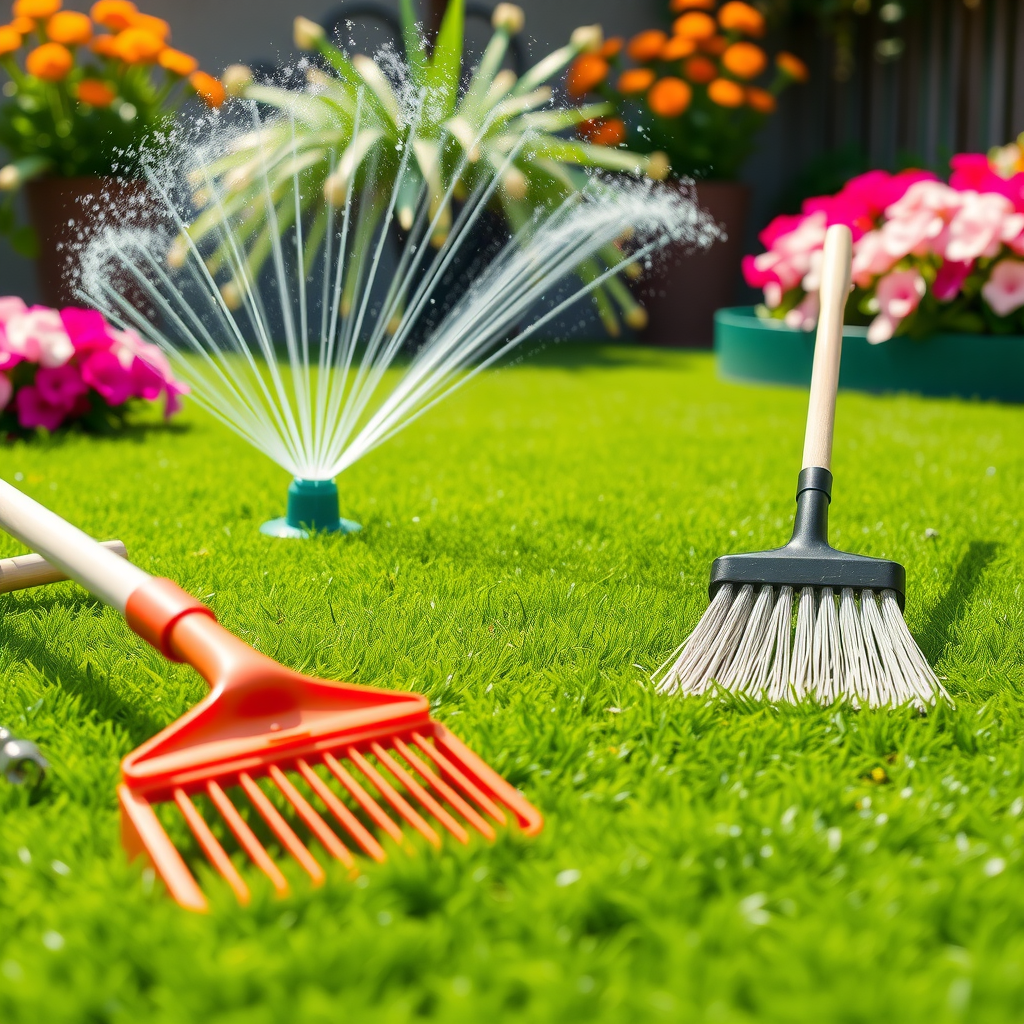
Artificial grass is a fantastic investment for homeowners and businesses alike, providing a beautiful, green space that requires minimal upkeep compared to natural lawns. However, to ensure your artificial grass remains in pristine condition for many years to come, it’s essential to follow a regular maintenance routine. In this blog post, we’ll explore essential tips for effective artificial grass maintenance that will help you keep your lawn looking fantastic and feeling functional.
With the rise in popularity of artificial grass maintenance in the UK, many are choosing to take advantage of professional services or comprehensive maintenance packages. Whether you’re a proud owner of a shiny new installation or you’re looking to revive an older one, you’ll find that consistent artificial grass care and maintenance are key to a long-lasting, lush lawn.
Regular Cleaning Is Key
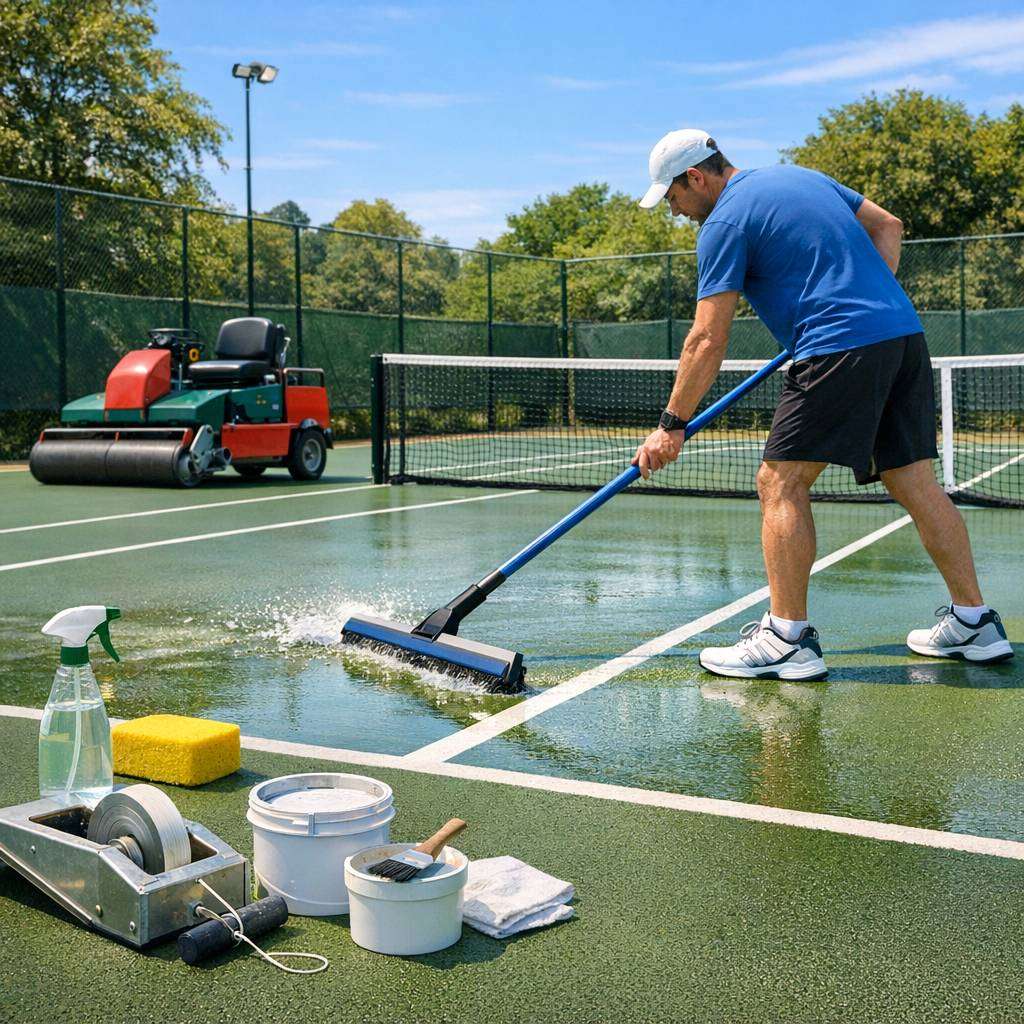
One of the most straightforward yet crucial aspects of artificial grass maintenance is regular cleaning. Start by removing any debris such as leaves, twigs, or litter. These materials can accumulate over time and lead to unpleasant odours or a breeding ground for pests. Use a soft-bristled broom or a leaf blower to keep your artificial lawn clear.
In addition to this, it’s essential to rinse your grass with water periodically. This will help eliminate dust, pollen, and any residues that may have settled on the blades. If you have pets, it’s particularly vital to wash the area to remove any waste or smells. For a comprehensive clean, consider investing in an artificial grass maintenance package that includes professional cleaning services.
Grooming for Longevity
Just like natural grass, artificial grass requires a bit of grooming. This involves brushing the blades periodically to keep them upright and looking their best. Use a stiff-bristled brush or a specialised rake designed for artificial grass. Brushing not only enhances the aesthetic appeal but also helps to prevent matting, which can occur when the grass is repeatedly walked on or subjected to heavy use.
Grooming is especially important for artificial pitch maintenance, where higher foot traffic can lead to increased wear. Therefore, if you have a sports pitch or a playground area, pay close attention to regular grooming to maintain the grass’s integrity and performance.
Avoid Harsh Chemicals
When it comes to artificial grass care & maintenance, some might be tempted to use harsh chemicals or cleaners to tackle stubborn stains or odours. However, it’s essential to avoid such substances, as they can damage the synthetic fibres and degrade their quality over time. Instead, opt for eco-friendly cleaning solutions or simple soap and warm water to tackle any mess.
If you are dealing with particularly tough stains, such as oil or rust, consider contacting an artificial grass maintenance service to provide specialised treatment without risking damage to the turf.
Artificial grass maintenance is essential to ensuring your lawn remains lush and vibrant. By following proper care techniques, such as regular brushing and rinsing to remove debris, you can extend the life of your artificial grass. For expert tips and services, visit https://www.artificialgrassmaintenance.co.uk, where you will find valuable resources and support for keeping your garden looking its best. Enjoy a beautiful, maintenance-free lawn year-round with the right guidance.
Managing Weeds and Unwanted Growth
While artificial grass is designed to resist weed growth, some resilient types may still manage to break through the seams or edges. To keep your synthetic lawn looking pristine, regularly check for these unwelcome guests. Hand-pulling is usually the most effective method, as it avoids damaging the grass.
For areas where weeds frequently appear, consider using a weed barrier cloth during the installation process or mulch around the perimeter. If you’re struggling with unwanted growth, you might want to look for artificial grass maintenance near me to find professionals who can assist with effective weed management solutions.
Reseam and Repair When Necessary
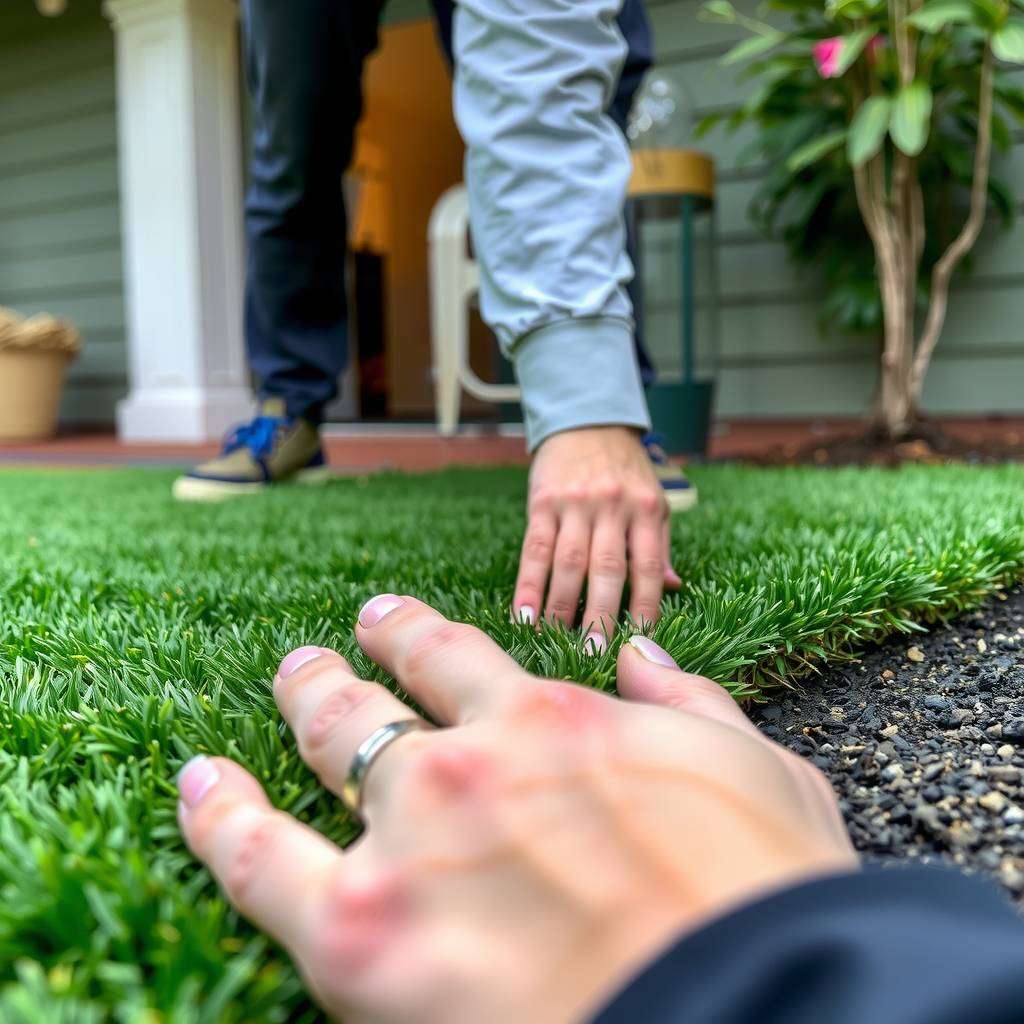
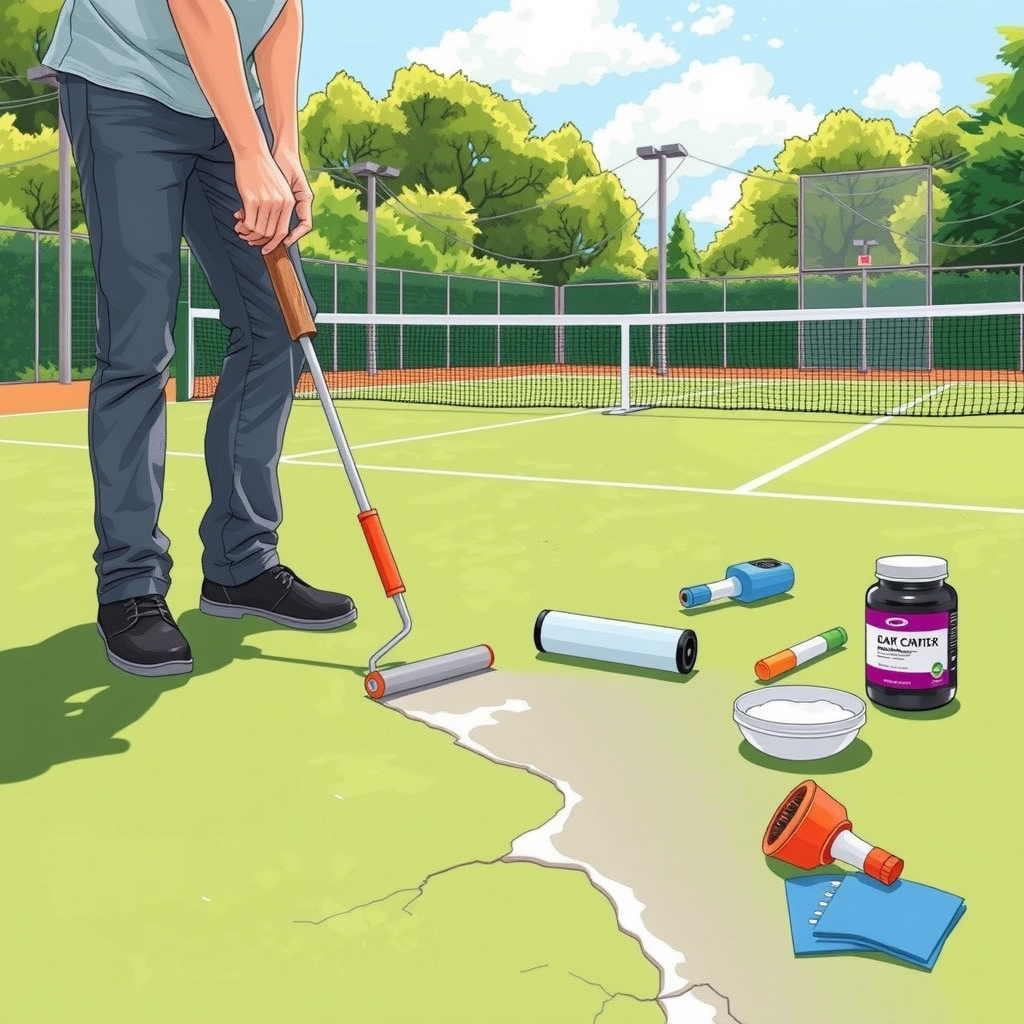
With time, it’s normal for seams on artificial grass to become loose or start to pull apart. Regularly inspecting your lawn will help you identify any issues early on. If you notice any problem areas, it’s best to tackle these repairs promptly. Kits for reseaming or repairing artificial grass are available, or you can call upon a professional service to handle the repairs for you.
Being proactive about reseaming can extend the lifespan of your artificial grass and ensure it stays looking fabulous.
Setting Up a Maintenance Schedule
Creating a maintenance schedule for your artificial grass is a great way to stay on top of its care. Consider setting up a monthly schedule that includes tasks such as cleaning, grooming, and inspections. For high-traffic areas, you may want to incorporate extra check-ins or professional cleaning services.
With an organised approach to maintenance artificial grass, you can rest assured that your artificial lawn will remain a vibrant, enjoyable space for relaxation and recreation.
Seek Professional Help When Needed
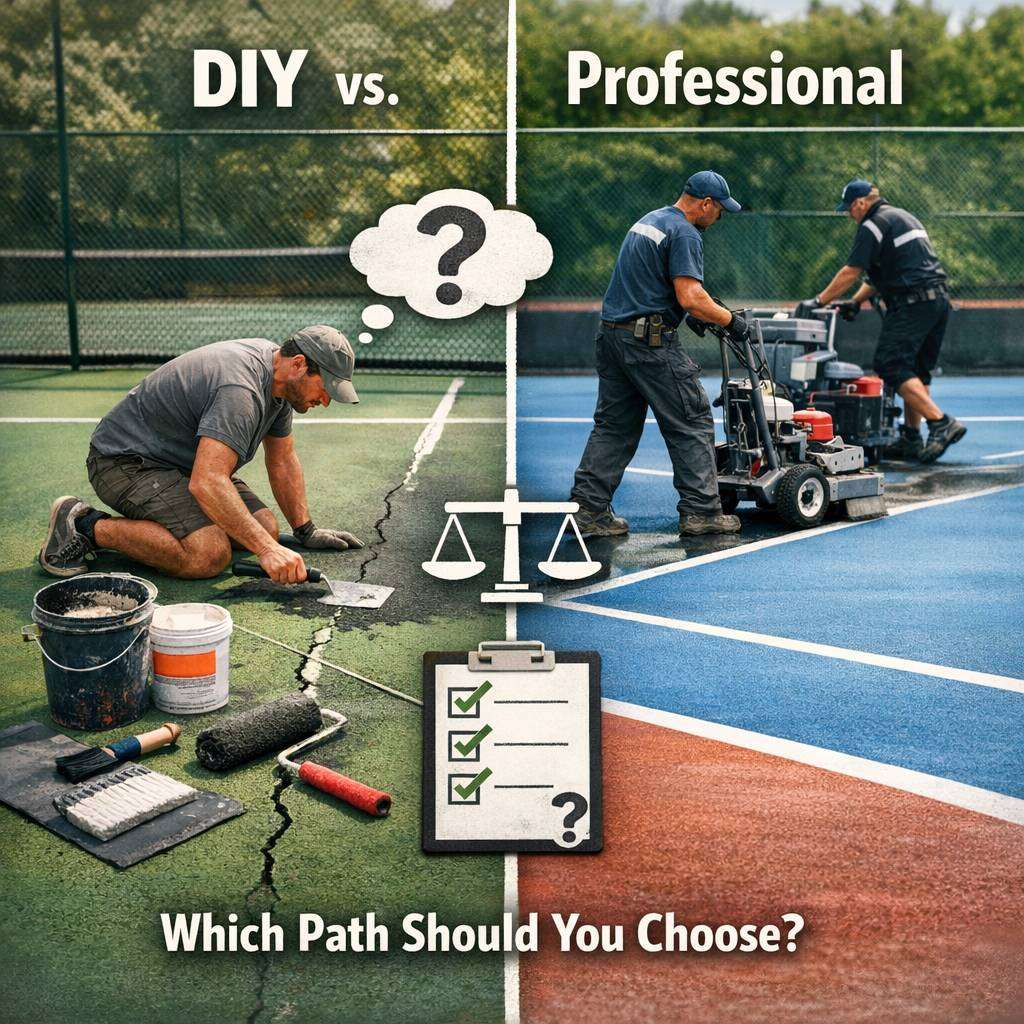
While many of these tasks can be managed independently, don’t hesitate to reach out for professional assistance when necessary. Research artificial grass maintenance UK services in your area to find a reliable maintenance service that can take your care routine to the next level. Whether you’re looking for a one-off service or a complete maintenance package, professional services can provide the expertise and equipment needed to keep your lawn in top condition.
Investing time and effort into your artificial grass maintenance not only enhances its appearance but also prolongs its lifespan, providing you with a lush, green space for enjoyment year-round. With these essential tips, you’ll be well on your way to achieving a beautifully maintained artificial lawn!
Proper artificial grass maintenance is essential for keeping your lawn looking vibrant and fresh all year round. Regular upkeep not only enhances its aesthetic appeal but also extends its lifespan. Simple tasks like brushing, rinsing, and checking for debris can make a significant difference. Additionally, addressing any signs of wear quickly can prevent larger issues down the line. For expert advice and tips, visit artificial grass maintenance, where you’ll find resources to help you care for your synthetic lawn.
FAQ: Artificial Grass Maintenance
What is artificial grass maintenance?
Artificial grass maintenance refers to the routine care and upkeep of synthetic turf to ensure it remains in optimal condition. This includes cleaning, brushing, infilling, and inspecting for damage or issues over time.
How often should I perform maintenance on my artificial grass?
The frequency of maintenance depends on several factors such as usage, location, and weather conditions. It’s generally recommended to conduct minimal maintenance every few weeks and a thorough cleaning at least once or twice a year.
How do I clean my artificial grass?
To clean your artificial grass, remove debris like leaves and branches using a leaf blower or rake. For stains or spills, you can use mild soap mixed with water. Rinse thoroughly afterward to prevent buildup.
Do I need special equipment for maintaining my artificial lawn?
While specialised equipment can make the job easier (such as turf rakes and power brooms), basic tools like a broom, leaf blower, hose with spray nozzle, and a bucket will suffice for regular cleaning tasks.
Can I use regular fertilisers on synthetic turf?
Regular fertilisers are not recommended for artificial grass since they can cause buildup that might affect drainage and aesthetics. Instead, if your synthetic lawn requires infill replenishment (like silica sand), use products specifically designed for that purpose.
How do I prevent weeds from growing on my artificial turf?
Weeds generally cannot grow through quality synthetic turf due to its tight weave. However, if they appear around the edges or seams where soil is present, you can treat these areas with an appropriate herbicide or manually remove them as needed.
Is it necessary to brush my artificial grass regularly?
Yes! Brushing your artificial grass helps maintain its upright blades and distributes the infill evenly while preventing matting over time. It’s recommended to brush areas subjected to heavy foot traffic more frequently.
Will pets damage my synthetic lawn?
No! Artificial grass is durable enough to withstand normal wear from pets; however pans may need additional attention like timely cleaning of waste materials using soapy water followed by rinsing thoroughly.
Can I put heavy furniture on top of my fake sod without causing harm?
While most high-quality synthetic turfs are resilient enough to handle occasional heavy items without significant damage; it’s best practice not leave any weighty objects under direct sunlight too long ; this minimises potential indentations caused by excessive pressure applied quietly/unnoticed over time during hot conditions .
By following these essential tips above regarding proper care practices towards “artificial grasses”, those who own them can certainly enjoy their lush appearance along with longevity lasting years longer than conventional natural options out there today!