
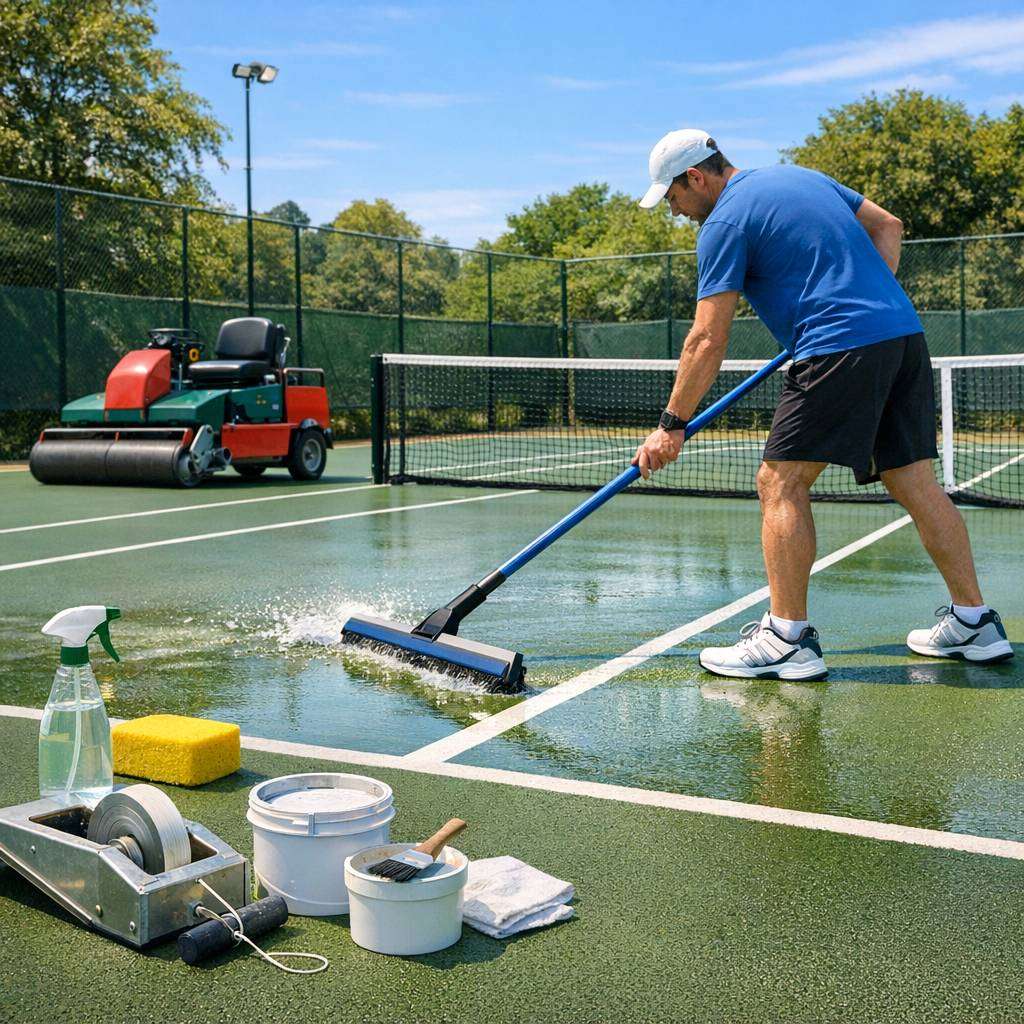
Maintaining a tennis court, whether you’re dealing with an artificial grass tennis court or a traditional surface, is essential to ensure optimal playability and longevity. This guide, written by an expert, walks you through practical cleaning routines, routine maintenance, and when to consider professional resurfacing or repairs. By following these steps, you’ll protect your investment and enjoy consistently excellent playing conditions.
Introduction to tennis court maintenance
Regular upkeep begins with understanding the specific needs of your court type. Artificial grass tennis courts require different attention compared with hard or clay surfaces, but all types benefit from a planned maintenance schedule. From daily debris removal to seasonal deep cleans and yearly inspections, a well-maintained court delivers better bounce, reduces wear, and extends the lifespan of your surface. This guide covers tennis court installation considerations, ongoing maintenance tasks, and signs that you may need tennis court repairs or resurfacing.
Tennis court cleaning is essential for safe play, longevity, and optimal bounce. Regular debris removal, surface-safe detergents, and timely moss or algae treatment protect court materials from wear and staining. Proper maintenance also reduces slip hazards, extends court life, and preserves aesthetics. For in-depth guidance, consult expert resources. https://mcconnellassociates.org/a-complete-guide-to-tennis-court-maintenance/
Routine cleaning and daily care
- Clear debris daily: Use a stiff-bristled broom or a specialty court sweeper to remove leaves, twigs, and organic matter. Debris trapped in the grass or pile can degrade drainage and affect play.
- Brush the surface: For artificial grass tennis court surfaces, brush in the direction of the grain when dry to keep fibres upright and uniform. A mechanical brush can be used for larger areas.
- Remove standing water promptly: Check for puddling after rain and ensure drainage channels are clear. Poor drainage can lead to soil saturation and surface damage.
- Check line marking: Inspect court lines for wear or fading. Repaint as needed to maintain clear service boxes and baseline boundaries.
- Address moss and algae: In damp climates, treat with an appropriate anti-moss solution that is compatible with artificial grass or the chosen court surface. Ensure the product does not harm grass fibres or embedded materials.
Tennis court cleaning keeps surfaces safe and slip-free, prolonging playability and aesthetics. Regular maintenance reduces damage and extends lifespan, protecting players and investments. For expert guidance, visit artificialgrassmaintenance.co.uk to learn about professional cleaning solutions.
Seasonal maintenance for artificial grass tennis courts
- Groom the turf regularly: In warmer months, frequent brushing helps maintain fibre resilience and ball bounce. In cooler months, reduce frequency but maintain a brushing routine to prevent matting.
- Infill management: If the surface uses infill (e.g., silica sand or rubber), monitor depth and distribute evenly. Replenish or top up as necessary to maintain consistent cushioning and drainage.
- Power washing: Use a gentle, low-pressure wash to remove deep-seated dirt without displacing fibres or infill. Avoid high-pressure jets that can lift blades or compact the surface.
- Check drainage channels: Inspect edge drains and gullies to ensure they are free of debris. Blocked drainage can lead to standing water and muddy patches.
- Pest control: Keep an eye out for burrowing insects or rodents that can undermine the surface and sub-base. Use humane, court-safe measures as needed.
Tennis court cleaning keeps surfaces safe and pristine, preventing slip hazards and maintaining ball bounce consistency. Regular maintenance extends playing life, reduces wear, and enhances aesthetics. https://welchtennis.com/upcoming-seminars/ Professional guidance supports efficient scheduling and effective cleaning protocols for courts.
Tennis court installation and resurfacing indicators
- Surface wear and bounce changes: If ball bounce becomes inconsistent or the surface shows excessive wear, it may be time to consider tennis court resurfacing. A professional assessment can determine the best course of action.
- Colour fading and fibre breakdown: In artificial grass tennis court setups, faded green tones or matted fibres are signs that the surface needs attention or replacement.
- Drainage problems: Persistent water pooling or slow drying after rain indicates drainage issues that may require regrading or resurfacing.
- Sub-base concerns: If the sub-base shows signs of settlement or cracking, this undermines performance and safety, warranting expert evaluation.
Tennis court repairs and professional support
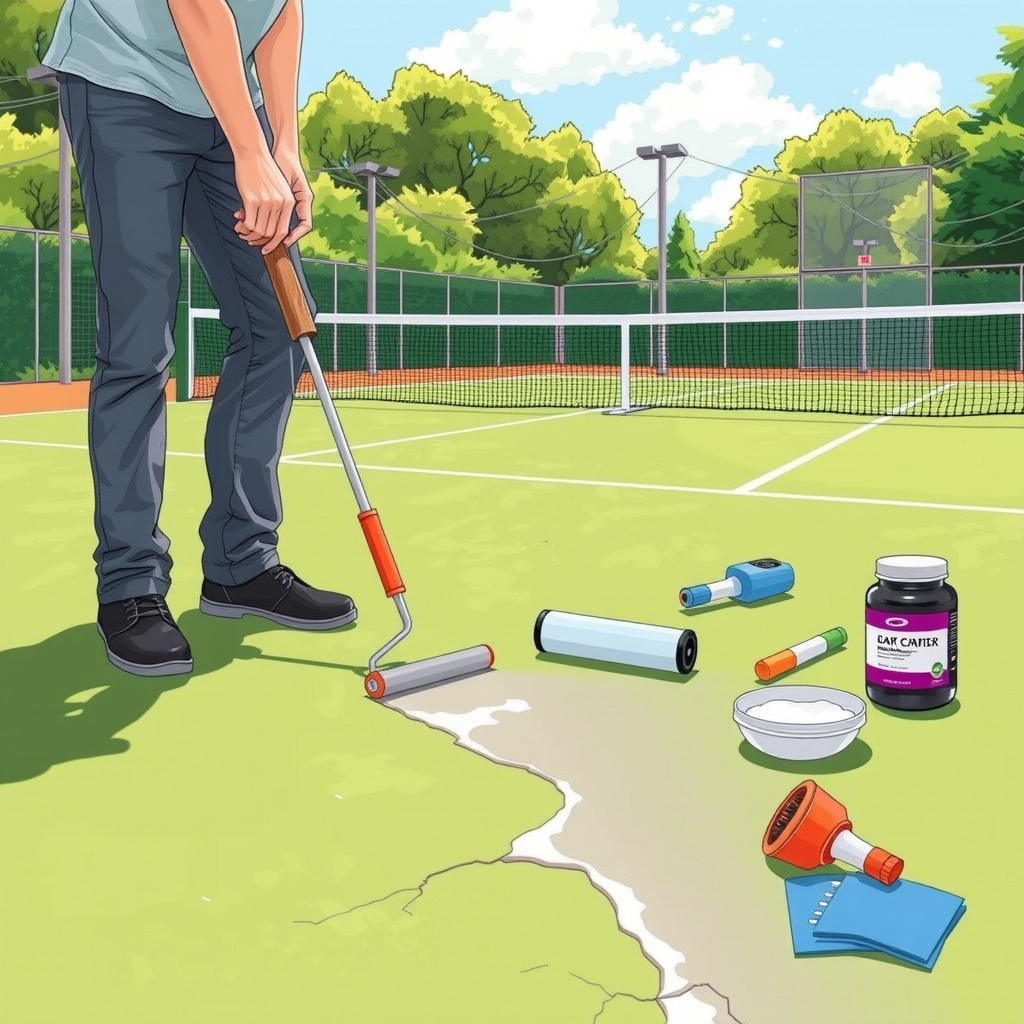
- Small repairs: Surface cracks, loose edging, or minor delamination can often be addressed with patching compounds, sealants, or adhesive repairs by skilled technicians.
- Structural issues: Large cracks, subsidence, or suspicious hollow sounds when tapped require a structural assessment. These issues may necessitate major repairs or sub-base remediation.
- Resurfacing options: Depending on the court type, resurfacing may involve reapplying acrylic coatings, re-grading drainage, or replacing artificial grass layers. Discuss options with a qualified contractor to determine the best material and thickness for your climate and usage.
- Regular inspections: Engage professionals for annual inspections to catch issues early, extending the life of tennis court maintenance programs and reducing long-term costs.
Keeping a tennis court clean is essential for safe play and prolonged surface life. Regular tennis court cleaning removes debris, prevents staining, and preserves grip. A tidy court reduces slip hazards and helps maintain consistent ball bounce. For trusted guidance and maintenance services, consult https://www.artificialgrassmaintenance.co.uk to ensure you receive expert cleaning strategies. With proper care, your surface stays durable, inviting, and ready for competitive matches and casual practice alike.
Tennis court cleaning is essential for safe play and longer surface life. Regular maintenance includes sweeping, power washing, and debris removal. Discover efficient tools and solutions at https://www.tenniscourtsupply.com/water-brooms.html to keep courts pristine and playable.
Best practices for ongoing tennis grass court maintenance
- Consistent mowing and edging: If using a true grass or trial grass mixture for a tennis grass court, maintain mowing height appropriate to the seed mix and keep edges tidy to prevent weed encroachment.
- Weed control: Apply selective herbicides or physical removal to deter weed growth without harming the grass or surface materials.
- Seasonal aeration and vertimilling: Periodic aeration improves soil drainage and root health for any natural components within the surface structure.
- Irrigation management: Avoid overwatering, which can lead to fungal growth or soft spots. Use smart irrigation scheduling aligned with seasons and rainfall.
Pro tips for long-term success
- Align maintenance with manufacturer guidelines: Always follow the specific care recommendations from the tennis court installation team or product manufacturer for artificial grass and surface coatings.
- Document work: Keep a maintenance log that records cleaning routines, weather events, repairs, and resurfacing dates. This helps track material life and plan future interventions.
- Plan for climate: Humidity, temperature swings, and rainfall patterns influence maintenance frequency. In hot or wet climates, increase brushing, cleaning, and drainage inspections accordingly.
- Train staff or users: If your court is used by clubs or schools, provide a simple maintenance checklist for players and supervisors to reduce wear and tear.
By combining proactive cleaning, routine maintenance, and timely professional assessments, you’ll maximise the performance and longevity of your tennis court. Whether you’re focused on tennis court installation details, artificial grass tennis configurations, or regular tennis court maintenance schedules, a thoughtful approach now pays dividends in the years ahead. If you notice persistent issues or significant wear, consult a qualified contractor who can advise on tennis court resurfacing or tennis court repairs tailored to your surface type and climate.
FAQ: Tennis Court Cleaning
What is tennis court cleaning and why is it important?
Tennis court cleaning involves removing debris, dirt, mold, and algae from court surfaces to maintain traction, colour, and overall playability. Regular cleaning helps extend the life of the surface, prevent damage, and ensure player safety.
How often should a tennis court be cleaned?
- Concrete/asphalt or acrylic surfaces: at least every 1–3 months, with more frequent cleanings in dusty or humid environments.
- Harsh climates (rainy, humid, or mold-prone areas): monthly cleanings or after heavy rain.
- Custom surfaces (clay, synthetic turf): follow manufacturer guidelines, typically seasonal cleaning plus spot maintenance.
What equipment is typically used for tennis court cleaning?
- Leaf blowers and soft brushes for loose debris
- Pressure washer or hose with a wide spray nozzle (careful with pressure to avoid damage)
- Mops or squeegees for water removal
- Mild, non-abrasive cleaners or specialised court cleaners
- Soft bristle scrub brushes for difficult spots
- Algae/moss cleaners for damp areas (bio-based or chlorine-based, per manufacturer recommendations)
Can I clean a tennis court myself, or should I hire a professional?
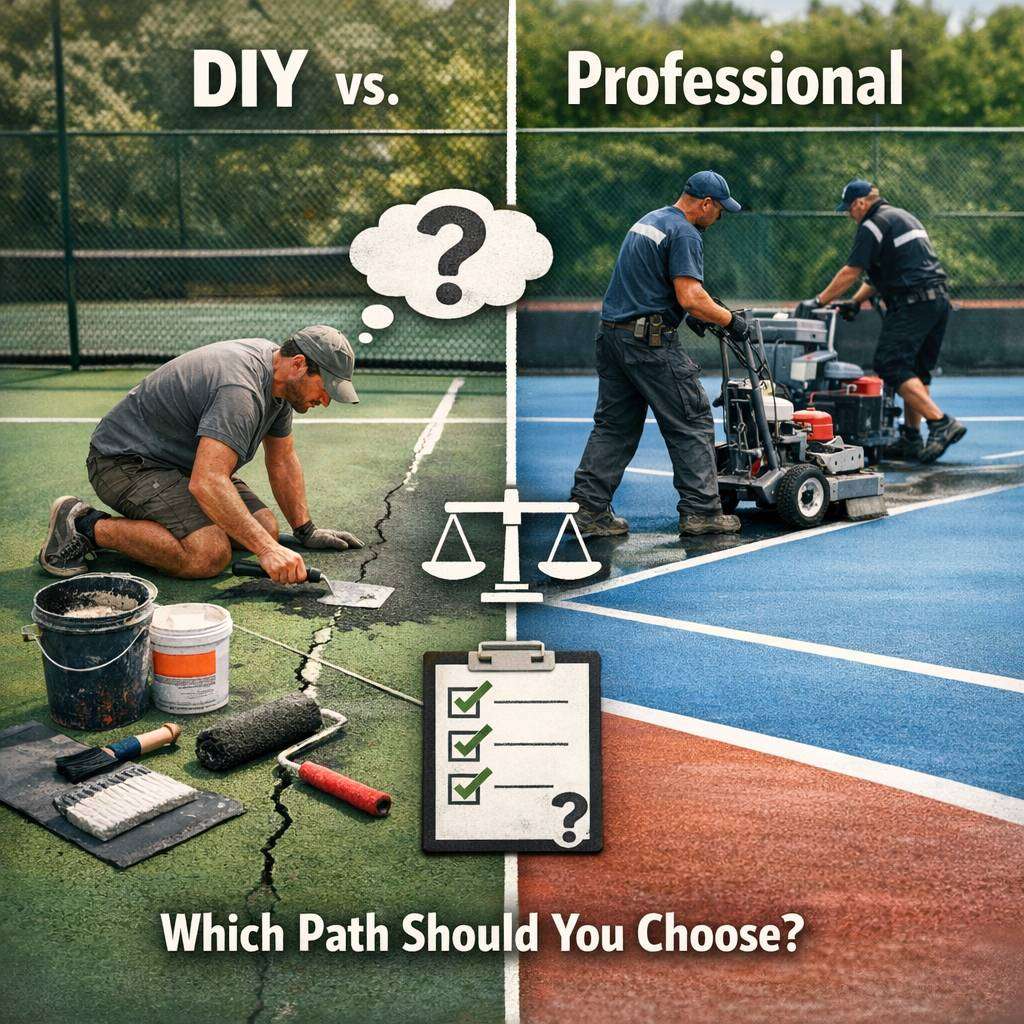
For basic maintenance and light cleaning, DIY cleaning can be effective if you follow surface-specific guidelines. For large areas, stubborn stains, mold, or when using pressure washing, hiring a professional court cleaning service is recommended to avoid surface damage and ensure proper treatment.
What cleaners should I avoid on tennis court surfaces?
- High-concentration bleach or harsh solvents that can degrade surface coatings
- Abrasive brushes or cleaners that scratch surfaces
- Household cleaners not labeled for sports courts
- Pressure washers used at too high a pressure or too close to the surface
How do you remove mold or algae from a tennis court?
- Identify the surface type and follow the manufacturer’s cleaning recommendations.
- Use a mold- or algae-inhibiting cleaner designed for sports courts.
- Apply the cleaner, let it dwell per instructions, then scrub with a soft brush.
- Rinse thoroughly with clean water and allow the surface to dry completely.
- Improve drainage and sunlight exposure to reduce recurrence.
Can pressure washing damage a tennis court?
Yes, using excessive pressure or holding the nozzle too close can strip coatings, erode the surface, or cause water intrusion. Always follow manufacturer guidelines for pressure, nozzle size, and distance, or hire a professional.
How do I maintain a clean tennis court between deep cleanings?
- Regularly remove leaves and debris
- Sweep or blow away dust and light soil
- Address stains promptly with appropriate cleaners
- Maintain proper drainage to prevent standing water
- Ensure surrounding vegetation does not deposit organic matter on the court
Are there eco-friendly cleaning options for tennis courts?
Yes. Look for cleaners labeled as eco-friendly or biodegradable, low-toxicity formulations, and methods that minimise water use. In some cases, steam cleaning or low-pressure methods can reduce chemical usage.
How long does it take to clean a typical tennis court?
A routine exterior cleaning for a standard court may take 1–4 hours depending on size, surface type, dirt level, and whether you’re cleaning multiple courts. Full chemical treatment and deep cleaning can take longer and may require drying time.
How can I prevent future buildup on my tennis court?
- Schedule regular cleanings based on usage and climate
- Keep nearby trees and plants trimmed to reduce debris
- Implement proper drainage and avoid shading damp areas
- Use matting at entrances to minimise dirt tracking
- Promptly address mold or moss growth when detected
Should I seal or reseal my tennis court after cleaning?
Sealing or resealing may be recommended for some surfaces after cleaning to restore colour and protect against wear. Follow the surface manufacturer’s guidance on timing and compatible sealants. Professional assessment is advised for best results.