

Artificial grass has transformed outdoor spaces, offering year‑round usability with minimal upkeep. Yet to keep it looking pristine and performing well, seasonal care is essential. This guide provides a practical, expert overview of the maintenance of artificial grass across climates, with a clear seasonal checklist and practical tips. Whether you are sourcing an artificial grass maintenance near me or engaging an artificial grass maintenance service, these steps help you maximise lifespan and aesthetics.
Spring: Renewed vitality and seasonal prep
Spring is the ideal time to refresh artificial grass after winter residues and to prepare for the growing season.
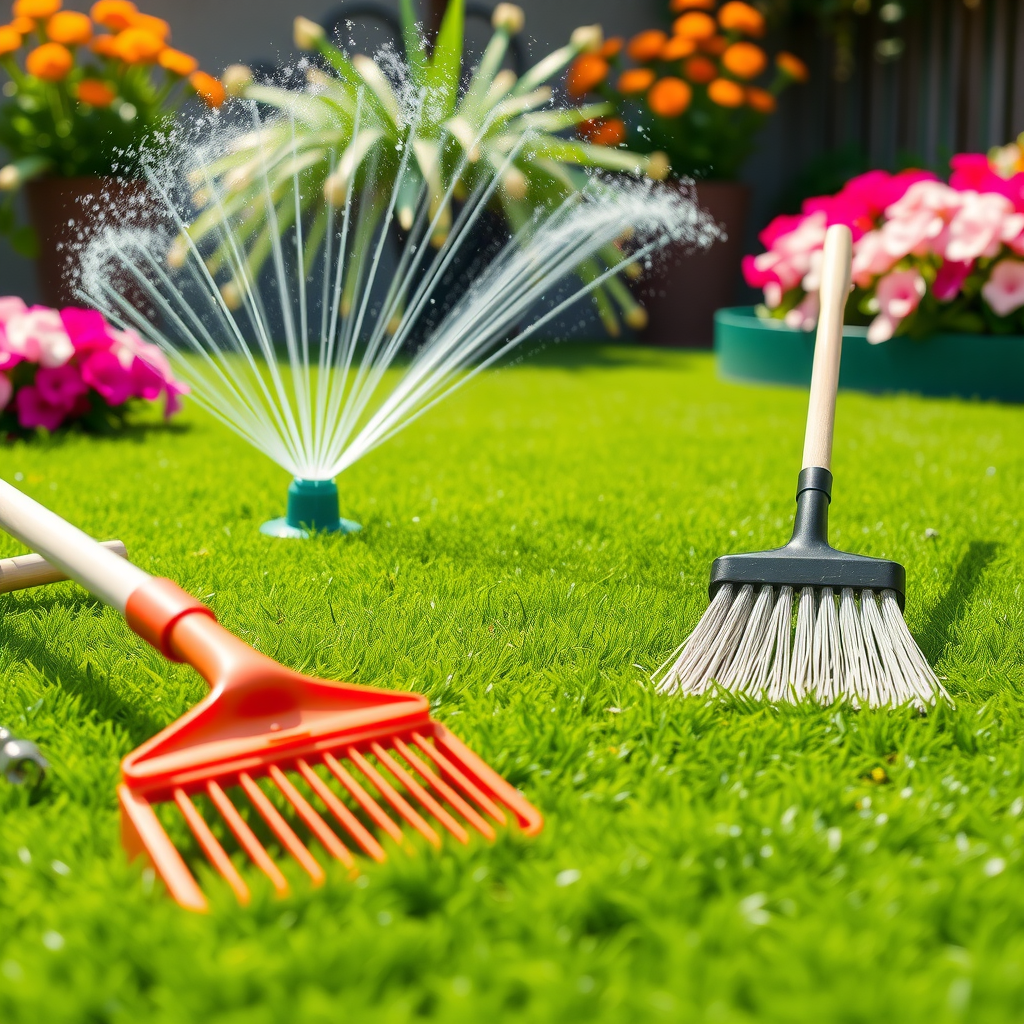
- Clean thoroughly: Remove debris such as leaves, seed pods, and hedge clippings. A stiff brush or a power broom helps lift tufts and restore blade direction. For deeper cleaning, a light rinse with cool water can reduce dust and pollen buildup.
- Check drainage and infill: Ensure drainage channels are clear. If infill has compacted, gently rake or brush to redistribute it evenly and maintain a springy feel. In high-traffic areas, you may notice flattened sections that benefit from brushing.
- Sanitation: If pets are present or there are odours, a mild soap solution followed by thorough rinsing can help. For tougher smells, a diluted enzyme cleaner suitable for artificial grass may be used, following manufacturer guidelines.
- Boundaries and seams: Inspect joints, seams, and edging. Re-securing any loose edges prevents lift and trip hazards, preserving a neat appearance.
- UV protection: Spring sun can be intense; check for any fading and consider masking or light brushing to restore colour uniformity. Most synthetic grass products are UV-stabilised, but routine inspection is prudent.
Summer: Heat management, stability, and playability
Summer demands attention to heat reflection, wear patterns, and pet comfort, while keeping the surface safe for activity.
- Heat considerations: If temperatures rise significantly, footwear and play areas may become warm to touch. Encourage regular breaks and avoid concentrated play on the hottest parts of the day. A light rinse can help cool the surface after intense use.
- Brushing and grooming: Daily or every-other-day brushing keeps the fibres upright and prevents matting, especially on active artificial pitches. Use a nylon broom or stiff brush, brushing in different directions to maintain a natural look.
- Infill maintenance: Polymer infill can migrate during warmer months. Check for low levels in high-traffic zones and add more as needed, following the product’s guidelines. This preserves shock absorption and bounce.
- Pet care: For pets, ensure easy cleaning routines and consider a racking system to allow urine to drain to the base. A pet-friendly deodoriser applied sparingly can help maintain freshness.
- Weed and moss control: Hot, dry summers can reduce weed growth, but it’s wise to monitor for moss or algal sheen in damp spots. A diluted vinegar solution or an artificial grass-safe cleaner may be used if required.
Autumn: Debris management and winter readiness
As leaves and pollen increase, autumn requires efficient debris management and checks before winter.
- Debris removal: Regularly clear fallen leaves, seeds, and pine needles. A leaf blower is effective, but gentle suction and brushing also work well to avoid disturbing the pile height.
- Staining and weathering: Autumnal rains can cause staining from organic matter. Rinse with water and brush to prevent residue buildup. For stubborn stains, use a mild detergent designed for artificial grass and rinse thoroughly.
- Slope and drainage checks: Autumn rains stress-test drainage. Confirm that surface sloping directs water away from structures and that drainage channels remain free of obstructions.
- Sub-base inspection: Freeze–thaw cycles in colder climates can impact the sub-base. If you notice standing water or soft patches, consult an artificial grass maintenance service to assess sub-base integrity and arrange remedial works.
- Seams and edging again: Cooler months can reveal loosening. Re-secure seams and edging to prevent edge lift during wet and windy conditions.
Maintaining a pristine lawn with artificial turf requires simple, regular care. Focus on removing debris, brushing to keep fibers upright, and rinsing occasionally to prevent odors. For best results, monitor drainage after rain and address any uneven surfaces promptly. Adopting a consistent cleaning routine reduces wear and preserves color. For expert guidance and tailored maintenance plans, consult trusted resources in the field. https://www.artificialgrassmaintenance.co.uk to learn more and ensure long-lasting performance.
Maintaining a lush, durable lawn starts with proper maintenance of artificial grass. Regular brushing, infrequent rinsing, and seasonal infill checks keep fibers upright and surfaces safe for kids and pets. For detailed guidance, visit https://bellaturf.ca/artificial-grass-maintenance/ and follow expert recommendations on cleaning schedules, weed prevention, and wear mitigation to extend your synthetic turf’s life.
Winter: Protection, safety, and longer-term resilience
Winter presents harsher conditions, with cold, frost, and reduced sunlight affecting performance. A proactive approach helps sustain the surface.
- Frost and ice management: Do not use sharp tools to remove ice; instead, allow it to melt, or use a plastic ice scraper if necessary. Avoid salt-based de-icers as they can degrade some synthetic fibres; opt for pet-safe, grass-approved alternatives if used sparingly.
- Low-traffic guidance: If you anticipate extended periods of low use, perform light grooming to keep fibres upright. Gentle brushing helps prevent matting during damp, cold spells.
- Cleaning frequency: Wet weather can make debris and mud accumulate. Rinse periodically to prevent staining and maintain a clean appearance, particularly on entrances and high-traffic zones.
- Seasonal inspection: Conduct a thorough seasonal check for loose joints, damaged fibres, or drainage issues. Addressing minor problems now prevents larger repairs later and reduces maintenance cost over the year.
- Storage and cover considerations: If you utilise seasonal storage solutions or covers, ensure they do not trap moisture or cause mould growth. Adequate ventilation is important.
Practical tips for all climates
- Choose the right equipment: Use a stiff-bristled brush, not a wire brush, to avoid fibre damage. Nylon brushes are generally preferred for their stiffness and resilience.
- Avoid heavy machinery: Rotovators, pressure washers with high pressure, or abrasive scrubbing can harm the fibres. Use gentle pressure and follow manufacturer recommendations.
- Environmentally conscious cleaning: Select cleaners specifically formulated for artificial grass maintenance uk, prioritising eco-friendly products and pet-safe options where applicable.
- Consider professional support: If you’re searching for artificial grass maintenance near me, a dedicated service can offer tailored seasonal plans, professional cleaning, and on-site checks. For larger installations or pitches, ongoing artificial pitch maintenance by qualified technicians ensures compliance with safety standards and optimal performance.
- Documentation and records: Keep a simple log of maintenance activities, including brushing frequency, top-up of infill, and any repairs. This helps track wear patterns and plan replacements when necessary.
- Long-term care: Regular brushing and prompt repair of any seams, edges, or damaged blades extend lifespan and preserve appearance. A consistent schedule reduces the overall cost of artificial grass maintenance service in the long term.
Maintaining artificial grass is a practical, year-round responsibility that adapts to climate and usage. By following these seasonal care guidelines—spring renewal, summer upkeep, autumn debris control, and winter protection—you can achieve durable performance, a visually appealing surface, and higher satisfaction with your investment in artificial grass maintenance uk. Whether you’re managing a private lawn, an artificial pitch maintenance project, or a commercial installation, a thoughtful maintenance plan helps you enjoy a pristine synthetic surface in every climate.