

In the bustling world of industrial applications, the efficient movement of materials is vital for success. Conveyors have become indispensable in various sectors, from manufacturing to distribution. In this guide, we’ll delve into the different types of conveyors, exploring their features, advantages, and ideal uses in industrial settings.
The Basics of Conveyor Systems
Before we dive deep into the specifics, it’s essential to understand what conveyor systems are. At their core, conveyors are mechanical devices designed to transport materials from one location to another. They streamline processes, enhance efficiency, and reduce the need for manual labour in industrial environments.
When selecting the right conveyor system, factors such as the type of material, the distance of transport, and the workspace layout come into play. Let’s explore the most common types of conveyors in the industry today.
Belt Conveyors
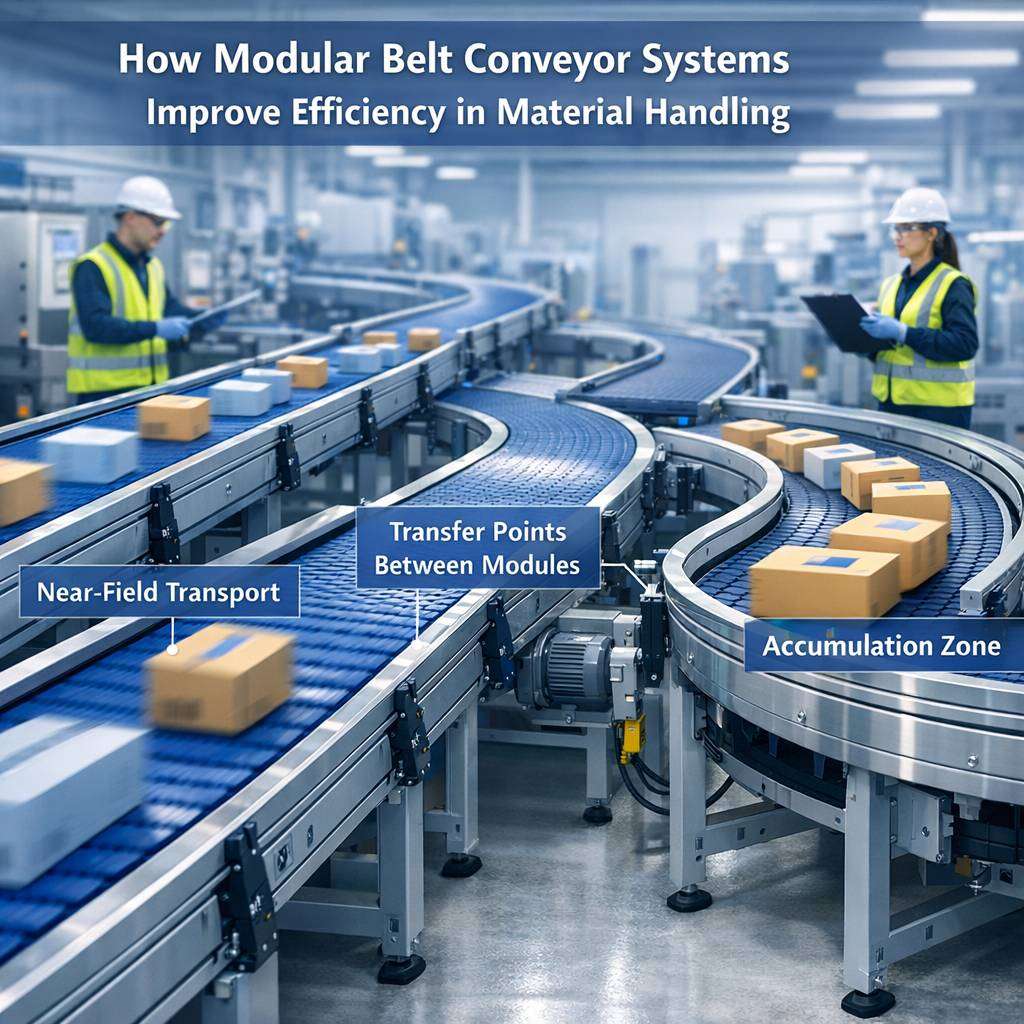
Belt conveyors are perhaps the most recognised type of conveyor system. They consist of a continuous loop of material (the belt) that rotates around a series of pulleys. These conveyors are widely used due to their versatility and ability to transport a variety of materials, from small parts to heavy loads.
The primary advantage of belt conveyors is their smooth and consistent operation. They can operate at varying speeds, enabling the handling of different materials efficiently. Common applications include assembly lines, packaging, and warehouse distribution.
Roller Conveyors
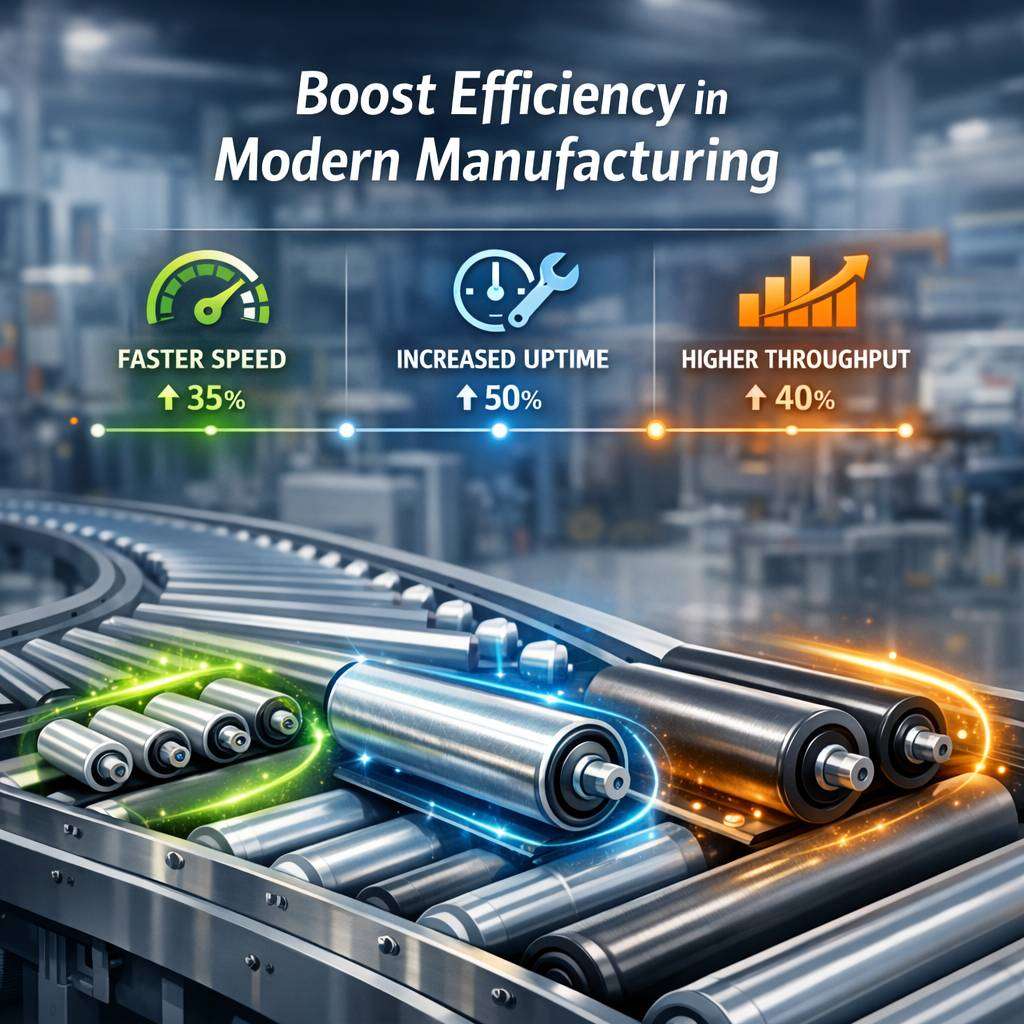
Roller conveyors utilise a series of parallel rollers to facilitate the movement of materials. These systems are particularly effective for transporting heavy or bulky items, as goods can be moved along the rollers with minimal effort.
One of the key benefits of roller conveyors is their adaptability; they can be configured as gravity-driven systems or powered systems. Gravity roller conveyors rely on the force of gravity to move items downhill, while powered roller conveyors use electric motors to drive the rollers, allowing for controlled movement in any direction.
Chain Conveyors
Chain conveyors are designed for the transportation of heavy goods and are especially useful in industries like automotive and manufacturing. These systems use a chain linked to a set of rollers or tracks that pull or push the materials along the conveyor.
A notable advantage of chain conveyors is their ability to handle heavy loads that other conveyors cannot accommodate. They are ideal for moving large pallets, crates, and heavy equipment. Chain conveyors also offer excellent durability, making them suitable for harsh industrial environments.
Screw Conveyors
Screw conveyors, also known as auger conveyors, are designed for the movement of bulk materials, particularly powders, grains, and other granular substances. They operate using a helical screw blade that rotates within a tube, effectively pushing the material forward.
These conveyors excel in applications where precision feeding and controlled flow are required, such as transferring cement, feed, or waste materials. They can be configured in various angles, making them ideal for situations with limited space.
FAQs about Conveyors
What are conveyors?
Conveyors are mechanical devices that transport materials or products from one location to another within a facility. They come in various types, including belt, roller, chain, and screw conveyors, designed to handle different types of materials and applications.
How do conveyors work?
Conveyors operate by using a system of pulleys and belts or rollers to move items along a designated path. The motor drives the movement, allowing for continuous transportation of goods without manual handling.
What industries use conveyors?
Conveyors are widely used in various industries such as manufacturing, warehousing, logistics, mining, food and beverage processing, and distribution centers. They facilitate efficient movement of goods in environments where low labour costs and high throughput are essential.
What types of conveyor systems are available?
There are several types of conveyor systems available:
- Belt Conveyors: Use an endless looped belt to transport materials.
- Roller Conveyors: Utilise rollers to move items along gravity or powered pathways.
- Chain Conveyors: Employ chains as the driving mechanism for heavy loads.
- Screw Conveyors: Use rotating helical screws to move bulk materials.
Why should I use conveyors in my business?
Using conveyors can significantly increase efficiency by automating the transportation process within your operations. This reduces labour costs and minimises the risk of injury associated with manual handling while improving overall productivity.
How do I choose the right conveyor for my needs?
When choosing a conveyor system:
- Assess the type of material being transported.
- Consider the weight capacity needed.
- Evaluate space constraints within your facility.
- Determine whether you need an incline or decline setup.
- Look into specific requirements such as hygiene standards (for food processing) or chemical resistance (for manufacturing).
Can conveyor systems be customised?
Yes! Conveyor systems can often be customised based on specific operational needs like length adjustments, material specifications (i.e., stainless steel for food safety), speed variations, automation integration with other machinery, and additional features such as sensors for tracking inventory flow.
How do I maintain my conveyor system?
Regular maintenance is crucial for optimal performance:
- Inspect belts/rollers regularly for wear and tear
- Clean surfaces frequently to remove debris
- Lubricate moving parts consistently
- Check alignment to prevent misoperationTaking these steps can prolong lifespan while ensuring efficiency.
Are there safety considerations when using conveyors?
Safety is paramount when operating conveyance systems. Key considerations include:
- Installing emergency stop buttons accessible throughout usage areas
- Ensuring guards cover moving parts
- Educating employees about safe practices near machinesRegular audits can further uphold safety standards in operation spaces involving conveyors.
If you have more questions about our conveyor solutions or how they can benefit your business specifically—don’t hesitate! Reach out today!
Bucket Elevators
Bucket elevators are specialised conveyor systems used for vertical transportation. They employ buckets attached to a belt or chain to lift materials vertically to a desired height. This type of conveyor is particularly beneficial in the agricultural and mining industries.
The design of bucket elevators allows for the efficient handling of bulk materials, such as grain, coal, or chemicals, without spillage. The enclosed system keeps materials secure during transport, ensuring minimal loss and contamination.
Pneumatic Conveyors
Pneumatic conveyors use air or vacuum systems to transport materials through pipes or ducts. This method is particularly advantageous for handling fine powders, granules, and other lightweight materials.
One of the significant benefits of pneumatic conveyors is their ability to operate in a closed system, reducing the risk of contamination and dust emissions. They are commonly used in food processing, chemical manufacturing, and other applications where cleanliness is paramount.
Overhead Conveyors
Overhead conveyors are an efficient solution for spaces where floor area is limited. These systems utilise a track mounted high above the ground, allowing items to be transported without occupying valuable floor space.
Overhead conveyors are particularly suitable for assembly lines, paint finishing applications, and warehousing. They can be designed as powered or manual systems, making them flexible for a wide range of applications.
Modular Conveyors
Modular conveyors are an increasingly popular choice due to their flexibility and customisability. These systems are built using interchangeable components that make it easy to adjust the design and layout to fit specific needs.
They are particularly advantageous for industries where processes change frequently or for companies needing to expand their operations. Modular conveyors can be easily reconfigured or upgraded, ensuring that they remain relevant as operational needs evolve.
Choosing the right conveyor system for your industrial application can significantly impact efficiency and productivity. By understanding the various types of conveyors available, you can make an informed decision that best meets your organisation’s needs. Whether you’re seeking a solution for horizontal transport, vertical elevation, or heavy material handling, there’s a conveyor system that fits the bill. So, take a closer look at your requirements, and let the appropriate conveyor propel your operations to new heights!
Conveyors play a crucial role in streamlining production processes across various industries. For enhanced efficiency, explore cutting-edge solutions at https://conveyorrollers.co.uk. These systems optimize material handling, ultimately boosting productivity and reducing operational costs effectively.