

Belt conveyors are an integral component of various industrial processes, serving as a reliable and efficient means to transport materials across different locations. Their design, versatility, and functionality make them a preferred choice in many sectors, including manufacturing, mining, and logistics. In this guide, we explore the different types of belt conveyors, their benefits, and common applications, helping you understand why they are a crucial part of modern industrial operations.
Types of Belt Conveyors
A belt conveyor is an efficient solution for transporting materials across various industries, enhancing productivity and reducing labor costs. These systems are designed for durability and can handle a wide range of products. To explore various options, visit www.conveyorrollers.co.uk for more information.
1. Horizontal Belt Conveyor
The horizontal belt conveyor is one of the most widely used types within industry. Its flat design allows for the efficient movement of materials across level surfaces, making it ideal for transport within warehouses and production facilities. Horizontal belt conveyors can be adapted for various applications, whether it be conveying heavy machinery components or light packaging materials.
2. Inclined Belt Conveyor
Designed to transport materials at an angle, inclined belt conveyors are essential for moving products between different elevations. They are commonly used in scenarios where items need to be elevated to a higher level, such as in packing and sorting operations. The inclination can be adjusted based on requirements, allowing for flexibility in the design and layout of conveyor systems.
FAQ: Belt Conveyor
What is a belt conveyor?
A belt conveyor is a type of mechanical transport system that uses a continuous loop of material (the belt) to move goods or materials from one location to another. It is commonly used in various industries for transporting bulk materials, products, or packed items efficiently.
How does a belt conveyor work?
Belt conveyors operate by using two or more pulleys with an endless loop of carrying medium—the conveyor belt—that rotates around them. One pulley, known as the drive pulley, moves the belt forward while the other pulley, called the idler pulley, helps maintain tension and support the returning section of the belt.
What are common applications for a belt conveyor?
Belt conveyors are widely used in numerous applications including:
- Manufacturing and assembly lines
- Packaging operations
- Mining and mineral processing
- Agriculture for grain handling
- Warehousing and distribution centers
What types of belts are available for use in conveyors?
Belt conveyors can utilise various types of belts including:
- Rubber belts – Flexible and durable for heavy-duty applications.
- Fabric belts – Lightweight options suitable for lighter loads.
- Metal belts – Ideal for high-temperature operations.
- Modular plastic belts – Versatile designs allowing easy repair and cleaning.
How do I choose the right type of belt conveyor for my application?
To choose the appropriate belt conveyor, consider factors such as:
- The type and weight of materials being transported.
- Required speed and distance.
- Environmental conditions (e.g., temperature, moisture).
- Space constraints—lengths, widths, heights needed.
Consulting with an expert can also provide valuable insights into your specific needs.
How do I maintain a belted conveyor system?
Regular maintenance is essential to ensure optimal performance. Key maintenance practices include:
- Inspecting belts routinely for wear or damage.
- Checking alignment and tension on pulleys regularly.
- Cleaning debris from components to avoid blockage.
- Lubricating bearings as necessary to reduce friction.
Can belted conveyors be customised?
Yes! Belt conveyors can be customised regarding dimensions (lengths/widths), material selections (belts/pulleys), configurations (inclined/declined), and inclusion of features like side guards or sensors depending on specific operational requirements.
Are there safety considerations when using a belt conveyor?
Absolutely! Safety measures include ensuring proper guarding around moving parts; providing emergency stop buttons within reach; maintaining clear access paths; training employees on safe operation procedures; regularly inspecting equipment to mitigate risks associated with wear or malfunction.
If you have any additional questions about our products or services related to belted conveyors, feel free to reach out!
3. Modular Belt Conveyor
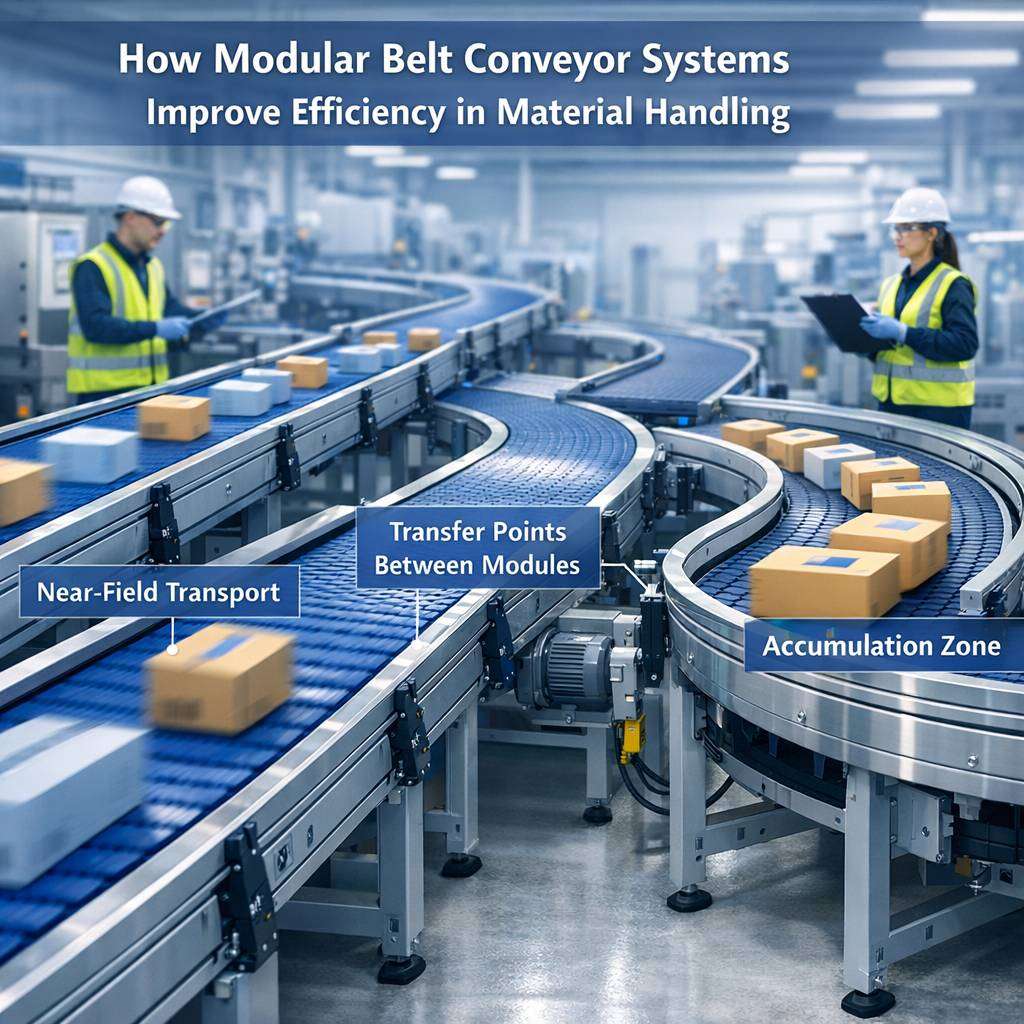
Modular belt conveyors are made up of interconnected plastic modules, offering enhanced flexibility and ease of maintenance. They are particularly useful in manufacturing environments where various products are processed on the same line, as the modular nature allows for quick adjustments in configurations. Moreover, these belts can easily be cleaned and replaced, reducing downtime during maintenance.
Benefits of Belt Conveyors
Belt conveyors offer numerous advantages that enhance operational efficiency and productivity in various settings.
1. Increased Efficiency
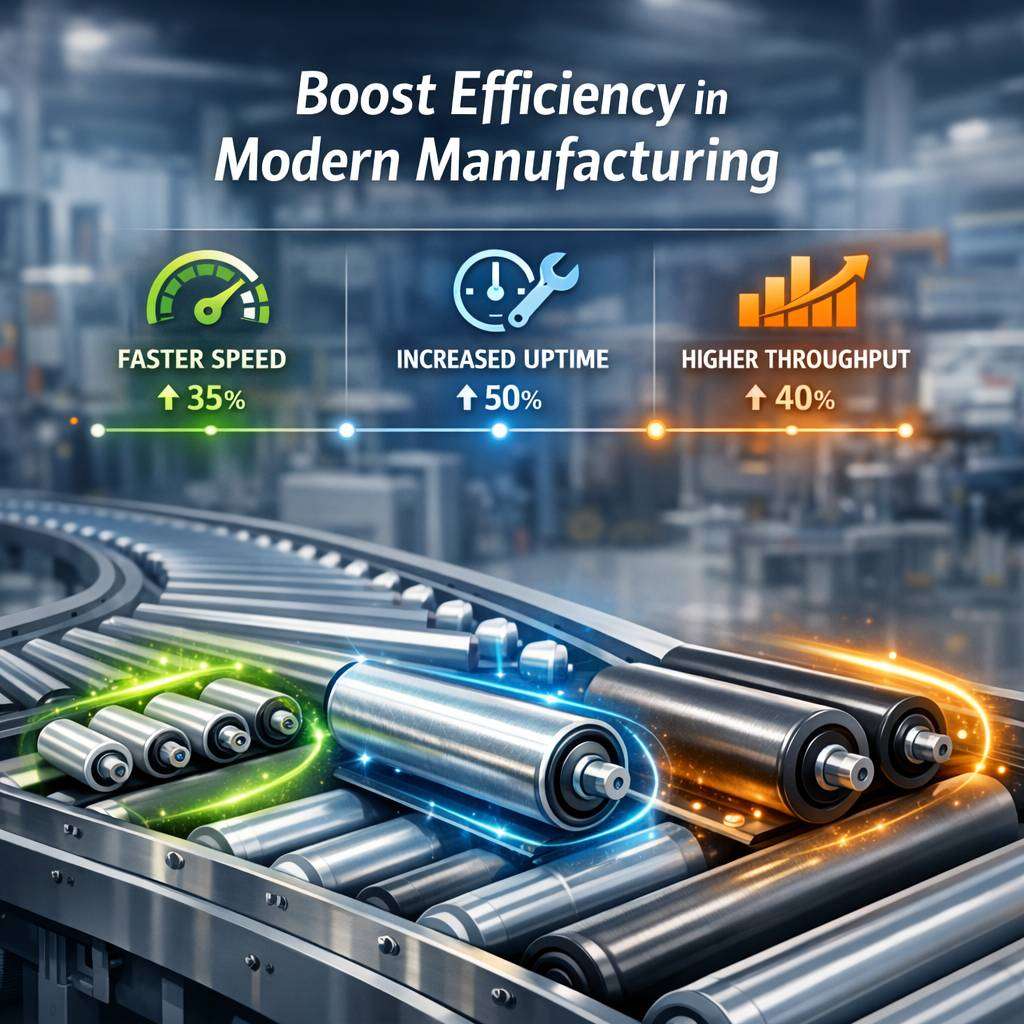
One of the primary benefits of industrial belt conveyors is their ability to transport large volumes of materials quickly and continuously. This automation reduces manual handling and speeds up production processes, leading to improved operational efficiency. By implementing belt conveyor systems, businesses can optimise workflows, allowing employees to focus on more critical tasks.
2. Cost-Effectiveness
Belt conveyors are generally considered a cost-effective solution for material handling. While the initial investment may vary depending on the application and design, the long-term savings associated with reduced labour costs, minimised product damage, and lower maintenance requirements make them an economically sound choice over time. Additionally, with numerous belt conveyors for sale, businesses can find equipment that fits their budgetary constraints.
3. Versatility and Customisation
Belt conveyors come in a variety of styles and sizes, enabling their use across different industries ranging from food and beverage to heavy manufacturing. Manufacturers can design bespoke solutions tailored to specific operational needs. Whether utilising flat belt conveyors for straightforward tasks or more complex systems for dynamic sorting and handling, the customisation options are virtually limitless.
Common Applications
Belt conveyors are used in myriad applications across various industries, owing to their adaptability and reliability.
1. Food Processing and Packaging
In the food industry, belt conveyors are essential for transporting ingredients and finished goods. Hygienic designs that incorporate stainless steel frames and easy-to-clean surfaces are compliant with food safety regulations. These conveyors allow for efficient assembly line processes, making them indispensable in food processing and packaging operations.
A belt conveyor is essential for efficient material handling in various industries. It streamlines processes by transporting goods smoothly over distances. For more information and quality conveyor solutions, visit https://conveyorrollers.co.uk. Enhance your operations today!
2. Mining and Aggregate Handling
The mining sector heavily relies on industrial belt conveyors for transporting bulk materials such as coal, ores, and aggregates. These conveyors are engineered to withstand harsh conditions and transport hefty loads over long distances. The durable construction and efficiency of belt conveyor suppliers catering to the mining industry ensure that material handling processes remain smooth and reliable.
3. Warehousing and Distribution
In logistics and warehousing, belt conveyor systems play a vital role in automating the movement of goods. They facilitate efficient sorting, storing, and retrieving of products, significantly reducing the time taken to fulfil orders. From large distribution centres to smaller warehouses, belt conveyors streamline operations, allowing businesses to manage inventory effectively.
By choosing the right belt conveyor for your operational needs, you can leverage the numerous benefits they offer, enhancing your productivity and efficiency in material handling.