
In the ever-evolving landscape of architecture and construction, the role of glazing has become increasingly prominent. Architectural glazing products are no longer mere functional elements; they are integral to a building’s aesthetic appeal, sustainability, and overall performance. This article examines the current trends and innovations shaping the future of architectural glazing, underscoring their significance for architects, builders, and clients alike.
FAQ: Architectural Glazing Products
What are architectural glazing products?
Architectural glazing products refer to a range of glass and transparent materials used in building construction to enhance aesthetics, functionality, and energy efficiency. They include windows, curtain walls, skylights, glass doors, and other glazing systems designed for both residential and commercial properties.
What types of glass are used in architectural glazing?
There are several types of glass commonly used in architectural glazing products:
- Float Glass: The most common type; it’s clear and smooth.
- Laminated Glass: Composed of two or more layers bonded with a plastic interlayer for safety.
- Tempered Glass: Strengthened through a heating process; ideal for high-stress applications.
- Low-E Glass: Coated to reflect infrared light while allowing visible light through; improves energy efficiency.
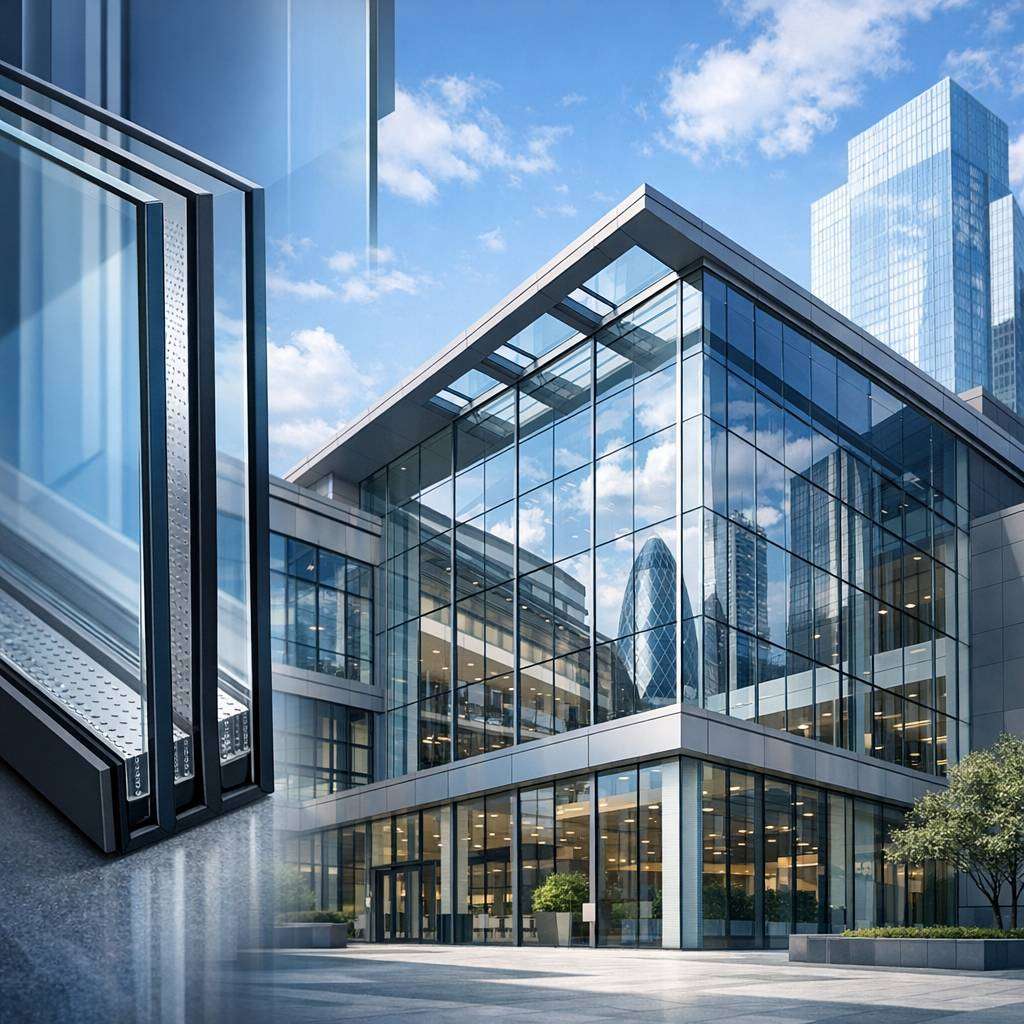
- Insulated Glass Units (IGUs): Two or more glass panes separated by an air space that enhances thermal insulation.
How do I choose the right architectural glazing product for my project?
Choosing the right architectural glazing product depends on various factors including:
- Functionality: Consider what you need the product to do (e.g., thermal insulation, acoustic performance).
- Aesthetics: Ensure it complements the building design.
- Building Codes & Regulations: Check local codes for compliance requirements.
- Energy Efficiency Ratings: Look at U-values and solar heat gain coefficients to assess performance.
Are there energy-efficient options available within architectural glazing products?
Yes! Many architectural glazing products feature energy-efficient designs such as low-emissivity (Low-E) coatings and double or triple-glazed units that offer better thermal insulation while reducing heat loss. Energy-efficient options can significantly lower heating and cooling costs over time.
Can I customise my architectural glazing products?
Absolutely! Many manufacturers offer customisation options including size, shape, tinting, thickness, coatings, finishes, and frame materials to suit specific aesthetic demands or functional requirements of your project.
How is installation performed for architectural glazing products?
Installation typically requires skilled labour due to the engineering involved aims at ensuring not only structural integrity but also optimal performance in terms of weather-tightness and energy efficiency. It often includes:
- Preparation of opening frames
- Properly sealing edges with appropriate materials
- Handling glass carefully during placement
- Testing after installation
Consulting with professional contractors who specialise in glazed facades is recommended.
What maintenance is required for architectural glazing products?
Maintenance needs will vary based on the product type but generally include regular cleaning with appropriate solutions (to avoid scratches), checking seals around frames periodically for wear-and-tear issues or water leaks—signs that may indicate it’s time for repairs or replacements.
How durable are architectural glazing products?
While durability varies depending on material choices (e.g., tempered vs laminated), most modern formulations endure harsh weather conditions when installed correctly With proper care—such as avoiding excessive impact—and adhering strictly to maintenance guidelines provided by manufacturers—the longevity can usually reach decades without significant degradation.
For specific product durability information related inquiries about warranties offered by different suppliers matter too!
If you have more questions about our offerings don’t hesitate reaching out directly—we’re here help guide your decisions seamlessly!
Architectural glazing products play a crucial role in modern building designs, offering both functionality and aesthetic appeal. These advanced materials enhance energy efficiency, provide insulation, and contribute to the overall look of structures. With innovative technology constantly evolving, architects and builders can explore various options, such as tempered glass, double glazing, and low-E coatings. For high-quality architectural glazing products and expert guidance, visit https://www.urbansquare.net/.
Technological Advancements in Glazing
The introduction of advanced technologies has revolutionised the manufacturing and performance of architectural glazing products. One notable innovation is the integration of smart glazing systems, which respond dynamically to environmental conditions. These systems can alter transparency, reflectivity, and solar heat gain, providing enhanced comfort and energy efficiency for occupants. For instance, electrochromic glass can automatically tint itself in response to sunlight, reducing the need for artificial cooling and maintaining optimal indoor temperatures. Such advancements position architectural glazing companies at the forefront of energy-efficient building solutions.
Additionally, the automation of manufacturing processes, driven by digital technologies such as 3D printing and computer-aided design (CAD), has paved the way for bespoke solutions that cater to specific project requirements. This level of customisation not only improves aesthetic appeal but also optimises performance by allowing for precisely engineered components.
Sustainability as a Core Principle
Sustainable design has become a driving force in architecture, and architectural glazing plays a pivotal role in this movement. The increasing demand for eco-friendly building practices has prompted glazing manufacturers to focus on developing products that minimise environmental impact. Low-emissivity (Low-E) glass, for instance, reflects heat while allowing natural light to permeate, significantly reducing heating and cooling demands.
Moreover, the trend towards circular economy principles has encouraged architects and glazing companies to implement sustainable materials and recycling practices in their products. Innovations such as glass made from recycled materials not only reduce waste but also lower the carbon footprint associated with new glass production.
Enhanced Aesthetic Flexibility
Architectural glazing is increasingly being recognised for its ability to enhance the visual appeal of a building. Developments in glass technology provide architects with diverse options, including textures, colours, and patterns, allowing for greater creativity and expression in their designs. For instance, the advent of digitally printed glass opens up a myriad of possibilities, enabling custom graphics and images to be embedded within the glazing. This capability can transform traditional glazing into a canvas, creating striking visual statements while maintaining the functional properties of glass.
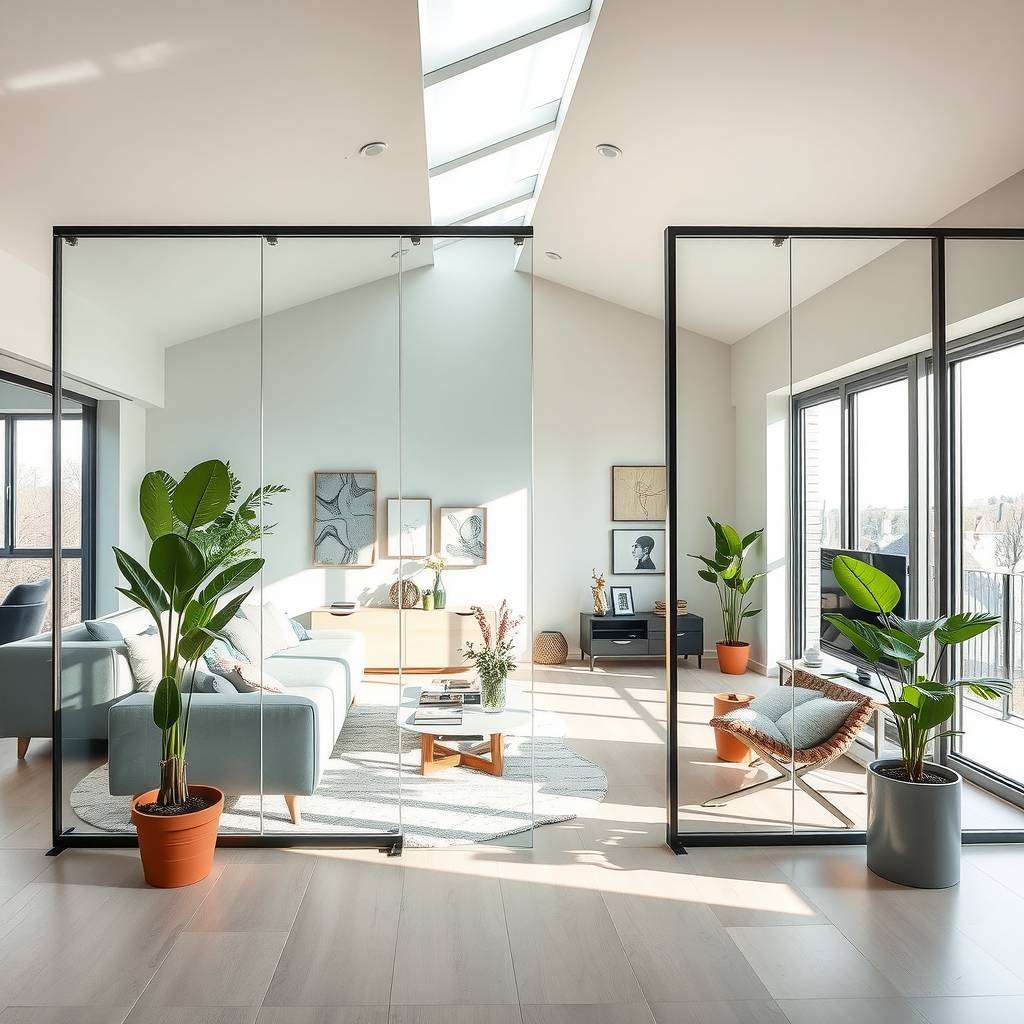
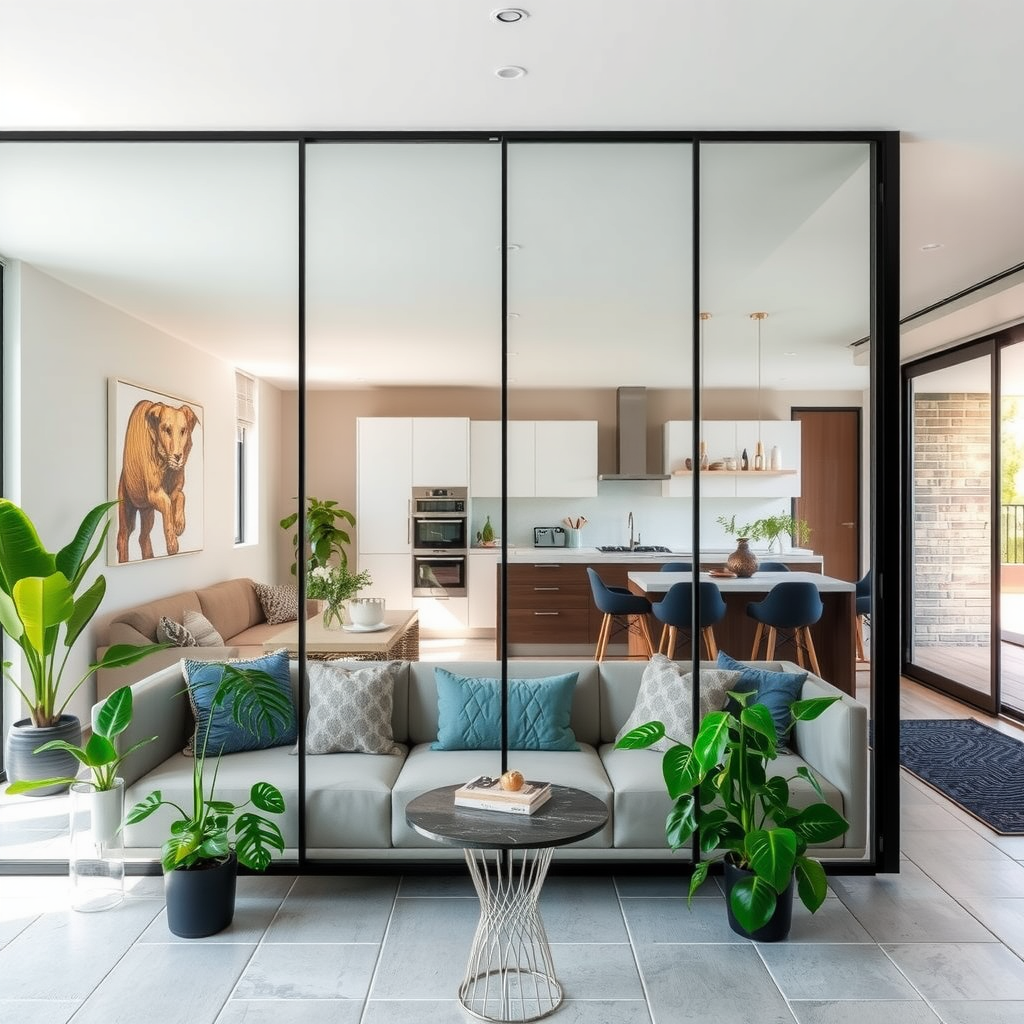
Additionally, the rise of innovative framing solutions allows for larger expanses of glass, facilitating seamless integration between indoor and outdoor spaces. This trend is particularly evident in residential architecture, where floor-to-ceiling windows and expansive glass doors are increasingly favoured for their ability to invite natural light and evoke a strong connection to the surrounding environment.
The Rise of Energy-Efficient Glazing
Energy efficiency remains a primary focus in architectural glazing development. As building regulations become increasingly stringent, the demand for high-performance glazing products continues to rise. Triple glazing, which offers superior thermal insulation compared to traditional double glazing, is gaining traction in both commercial and residential sectors. The enhanced energy performance of these products aligns with global goals for carbon reduction and energy conservation.
Furthermore, integrating photovoltaic cells into glazing units allows buildings to harness solar energy, contributing to their overall energy neutrality. Architects are increasingly looking to glazing companies that offer innovative products capable of generating power while maintaining aesthetic integrity.
The Importance of Safety and Security
With the rise of urbanisation, safety and security considerations are paramount in building design. Glazing manufacturers are now designing products that not only comply with safety regulations but also enhance the security features of buildings. Laminated and tempered glass, for example, are becoming standard components in modern architecture, providing resistance to impacts and burglary attempts.
Innovations in glazing technology also extend to anti-fogging and self-cleaning glass, which enhance safety by improving visibility and reducing maintenance needs. These functionalities are particularly relevant in high-rise buildings and areas prone to weather extremes, where visibility and aesthetics can significantly impact safety.
The Role of Glazing in the Smart City Revolution
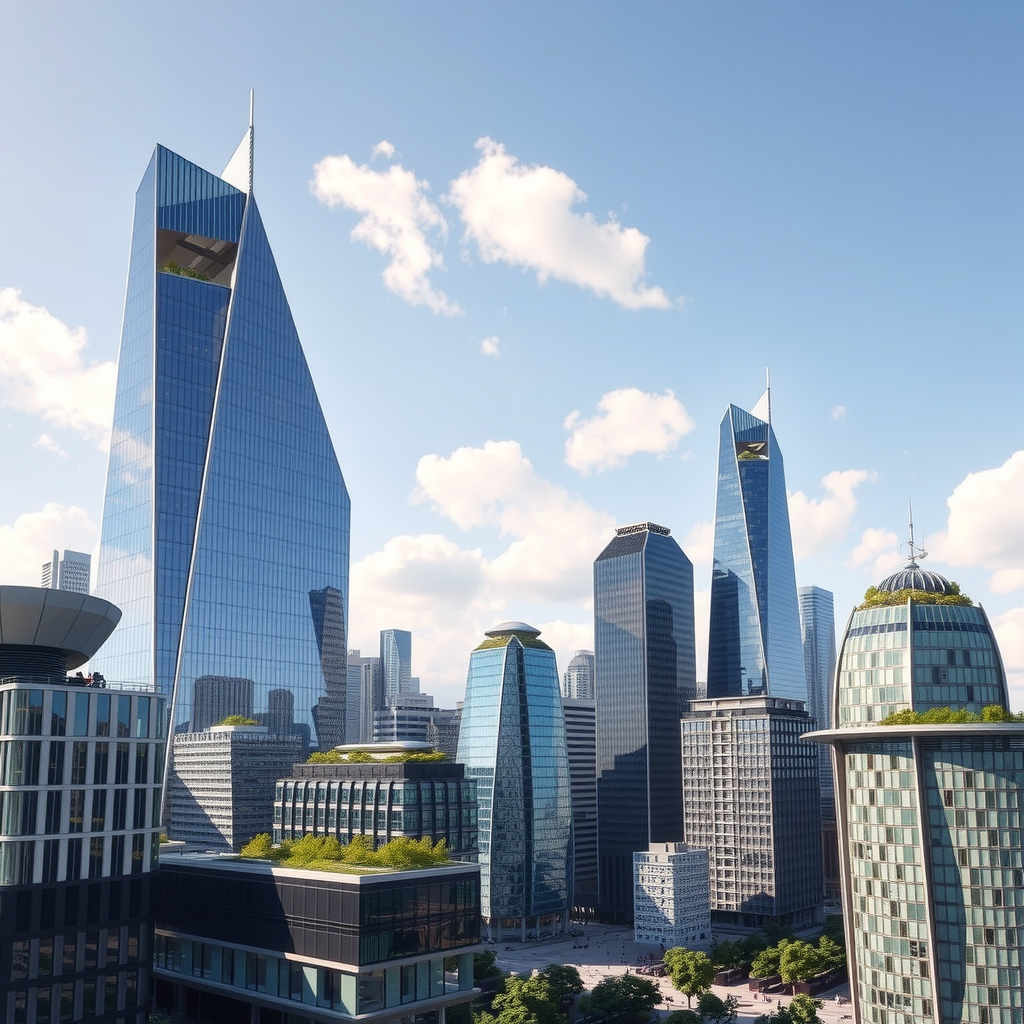
As cities become smarter and more interconnected, the role of architectural glazing is evolving within this context. Integrated building technology allows for real-time monitoring of energy usage, environmental conditions, and system performance, providing valuable data for optimising building management.
Architectural glazing products can be designed to work harmoniously with smart building systems, such as automated shading and climate control, ensuring that buildings operate efficiently and sustainably. This integration will play an essential role in developing smart cities, enabling a new level of interaction between buildings and their occupants.
Challenges and Opportunities Ahead
Despite the numerous innovations and positive trends in architectural glazing, challenges remain. Issues such as supply chain disruptions, materials scarcity, and fluctuating costs can impact project timelines and budgets. However, these challenges also present opportunities for architectural glazing companies to develop more resilient and adaptable approaches.
Investing in research and development will be crucial for remain competitive and responsive to market demands. By embracing innovation and sustainability, companies in the architectural glazing sector can position themselves as leaders in the construction industry, shaping the future of building design and performance.