

The evolution of interior architecture has seen glass transform from a functional material into a defining aesthetic. In contemporary offices, glass partitions are more than transparent dividers; they are strategic elements that shape culture, light, acoustics, and efficiency. This article examines how frameless concepts have matured into framed installations, and how designers leverage glass office walls to create environments that are at once collaborative and private.
The shift from frameless to framed
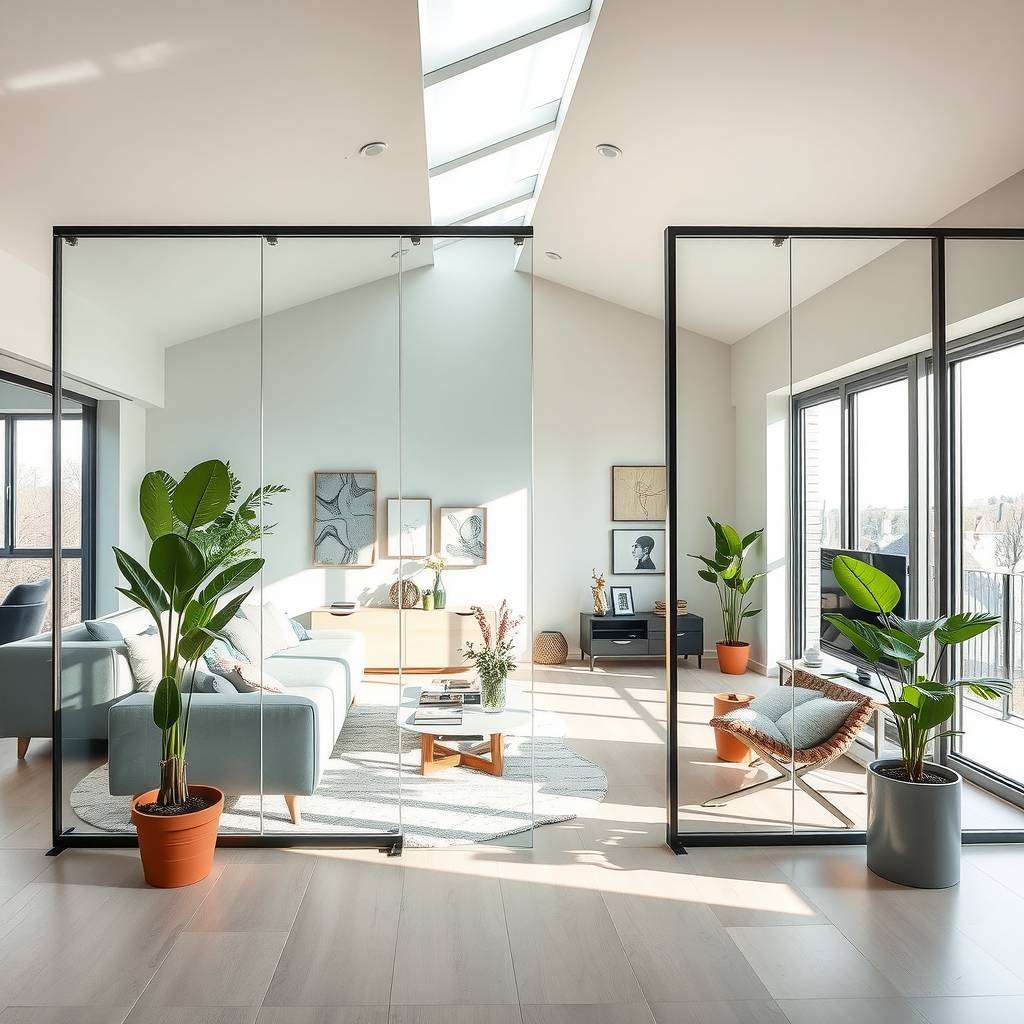
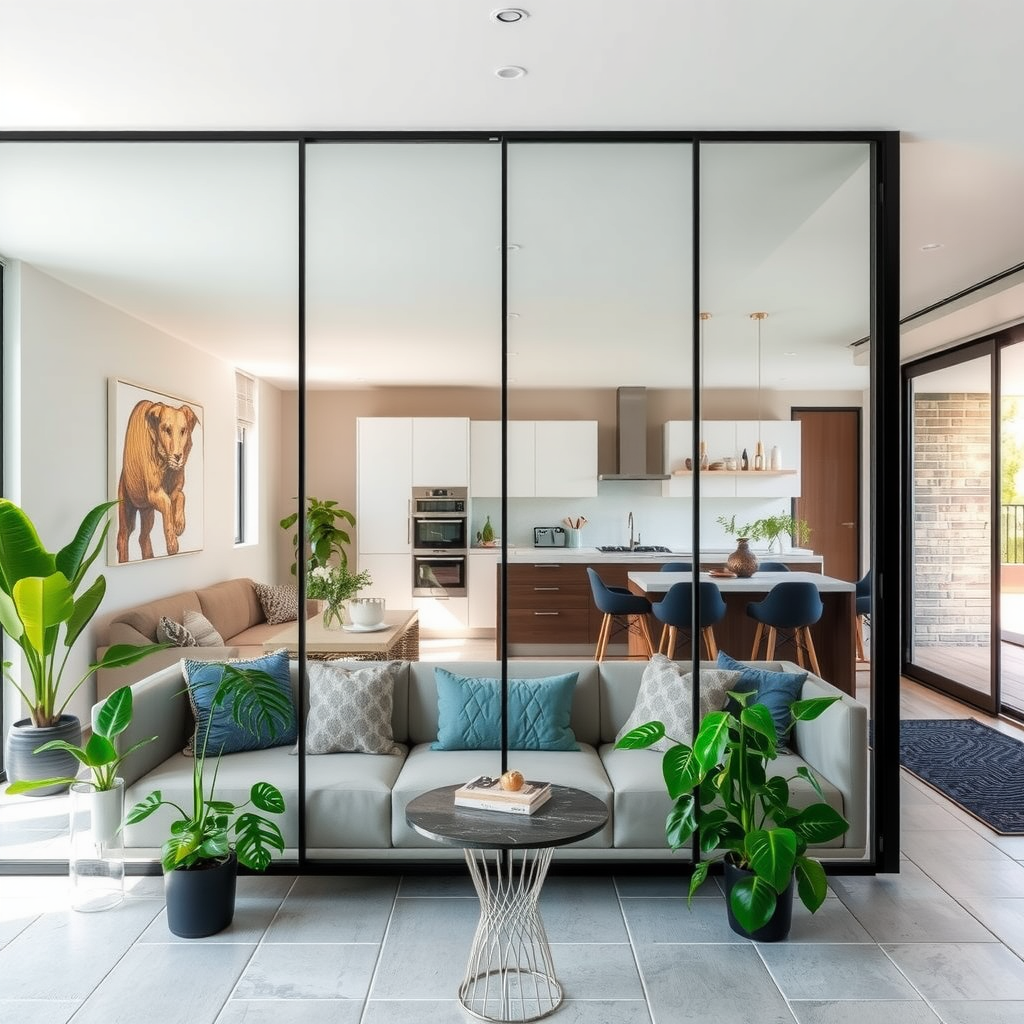
Frameless glass walls initially suggested purity of line and uninterrupted sightlines, delivering a sleek and minimalist environment. Yet, as workplaces demand more management of noise, privacy, and climate, framed solutions have gained traction. Framed systems introduce discreet profiles that improve rigidity and acoustics while still maintaining an air of openness. The resulting balance—between visibility and enclosure—maps neatly onto modern workstyles that value transparency, focus, and wellbeing.
Architects now routinely blend frameless and framed elements within the same project. A corridor of glass wall office partitions can be punctuated by solid interfaces, such as timber doors or metal-framed frosted panels, to signal zones of collaboration versus focus. This hybrid approach preserves the light-drenched quality of glass while offering practical performance where it matters most.
Light, transparency, and psychological impact
Glass office walls are prised for their ability to flood interiors with daylight, reducing reliance on artificial lighting and supporting circadian rhythms. The psychological impact of glass is profound: employees perceive greater openness and inclusivity when spaces are visually connected. Yet transparency must be tempered with privacy. Frosted glass office walls and smart-tinting solutions provide a way to control visibility without sacrificing the aesthetic of daylight. In this way, the glass wall office partitions become a toolkit for managing attention, reducing distractions, and fostering a calm work environment.
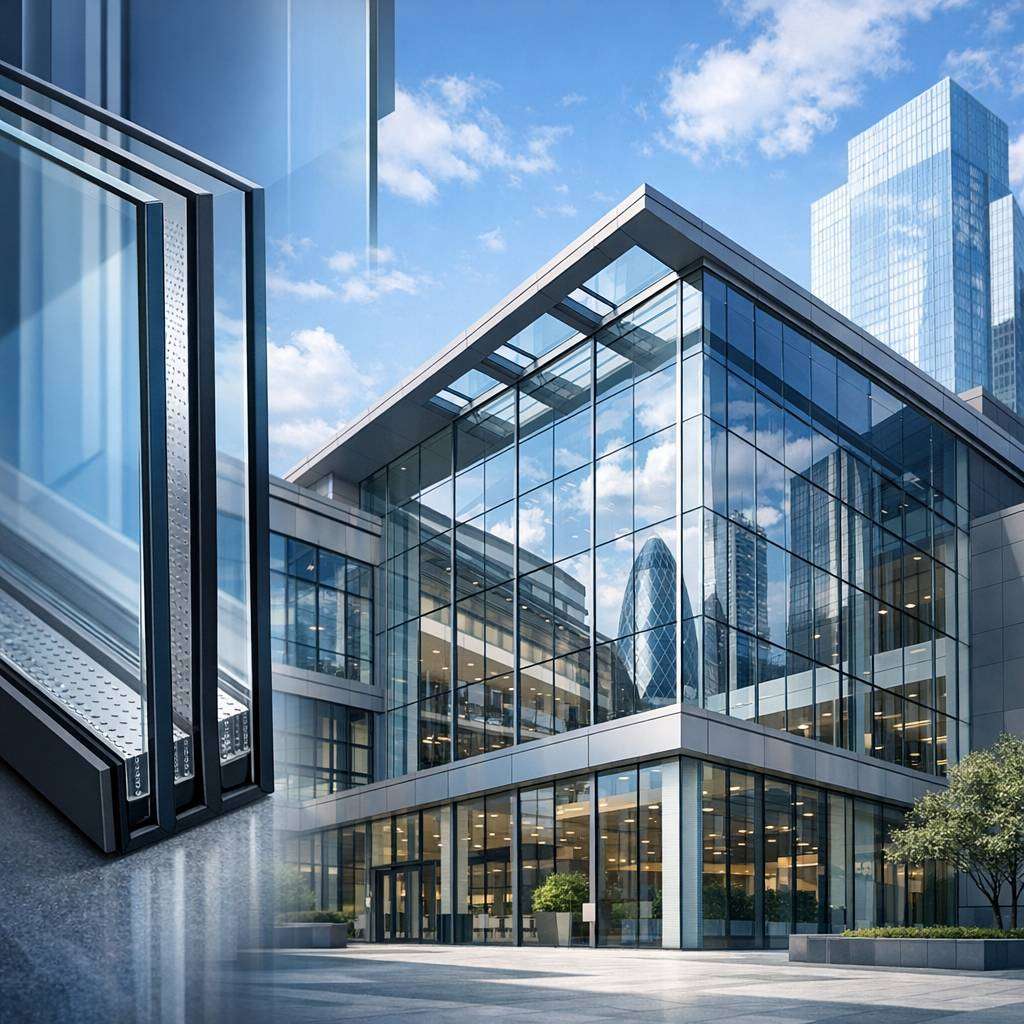
For meeting rooms and managerial offices, acoustic performance is a critical concern. Modern frames and seals, along with laminated or acoustic-rated glass, deliver meaningful reductions in sound transmission. Designers often specify layered glazing, double- or triple-glazing where exteriors demand higher insulation. The result is spaces that feel generous and bright, without compromising confidential discussions.
Acoustic strategies and material options
In the realm of glass partitions, material choices extend beyond mere glass type. An appropriate combination of glazing, framing, and seals determines acoustic success. Frosted finishes, etched patterns, or sandblasted textures on glass partitions can diffuse sound and maintain privacy while preserving the sense of openness. Framed systems provide a robust perimeter for gaskets and seals, improving acoustic performance compared with frameless schemes that depend on point fixing. For high-traffic areas, laminated glass with acoustic interlayers offers a practical solution to keep noise within reasonable bounds.
Frames themselves vary in material and profile. Aluminium remains the dominant choice for its lightness, strength, and recyclability, but timber and steel accents are increasingly employed for a warmer or more industrial look. Framed partitions often incorporate soft-close hardware, privacy doors, and integrated hardware for a seamless, high-end finish. When selecting glass wall partitions, consider the entire ecosystem: door hardware, threshold design, and even the possibility of concealed returns for a tidy, professional appearance.
Customisation and branding
Branding considerations are central to contemporary glass wall concepts. The transparency of glass wall entrances and reception zones allows brand colours and motifs to be read at a distance, reinforcing corporate identity. Frosted glass can be used to embed logos or gradients along a wall, creating a subtle but powerful wayfinding experience. Bespoke frosted finishes and digital-print options enable unique patterns that align with corporate culture while maintaining a cohesive aesthetic. The framed approach supports custom detailing around doors and entryways, which can integrate signage, tactile materials, or engraved branding that catches the eye at the threshold.
Cost considerations: price versus performance
When evaluating glass partitions, purchasers often weigh glass office walls price against the value delivered in terms of daylight, acoustics, and long-term maintenance. The upfront cost of framed systems can be higher than basic frameless arrangements, primarily due to profiles, hardware, and glazing. However, the total cost of ownership frequently tilts in favour of framed solutions: improved acoustics reduce the need for ancillary sound masking, durable frames lower maintenance, and high-quality glazing sustains long-term aesthetics. It is prudent to consider glass wall exterior and interior applications separately, as exterior exposure may introduce differential thermal performance requirements and glazing options.
In practice, the price points for glass wall partitions hinge on several variables: glass type (clear, frosted, or patterned), thickness, frame material, door configuration, and the level of acoustic rating required. For projects prioritising privacy or branding, frosted glass office walls can offer an elegant compromise between visibility and seclusion, all while contributing a refined texture to the workspace.
Practical installation and maintenance guidance
Installation of glass partitions should be entrusted to specialists who understand the interplay of structure, glazing, and services. Proper site surveys, tolerances, and integration with HVAC, electrical, and data networks are essential to avoid surprises post-installation. Maintenance considerations include regular cleaning to preserve the clarity of glass and the integrity of seals. Selected glass wall office partitions may feature easy-clean coatings that resist fingerprint marks and smudges, preserving the pristine look expected in modern corporate interiors.
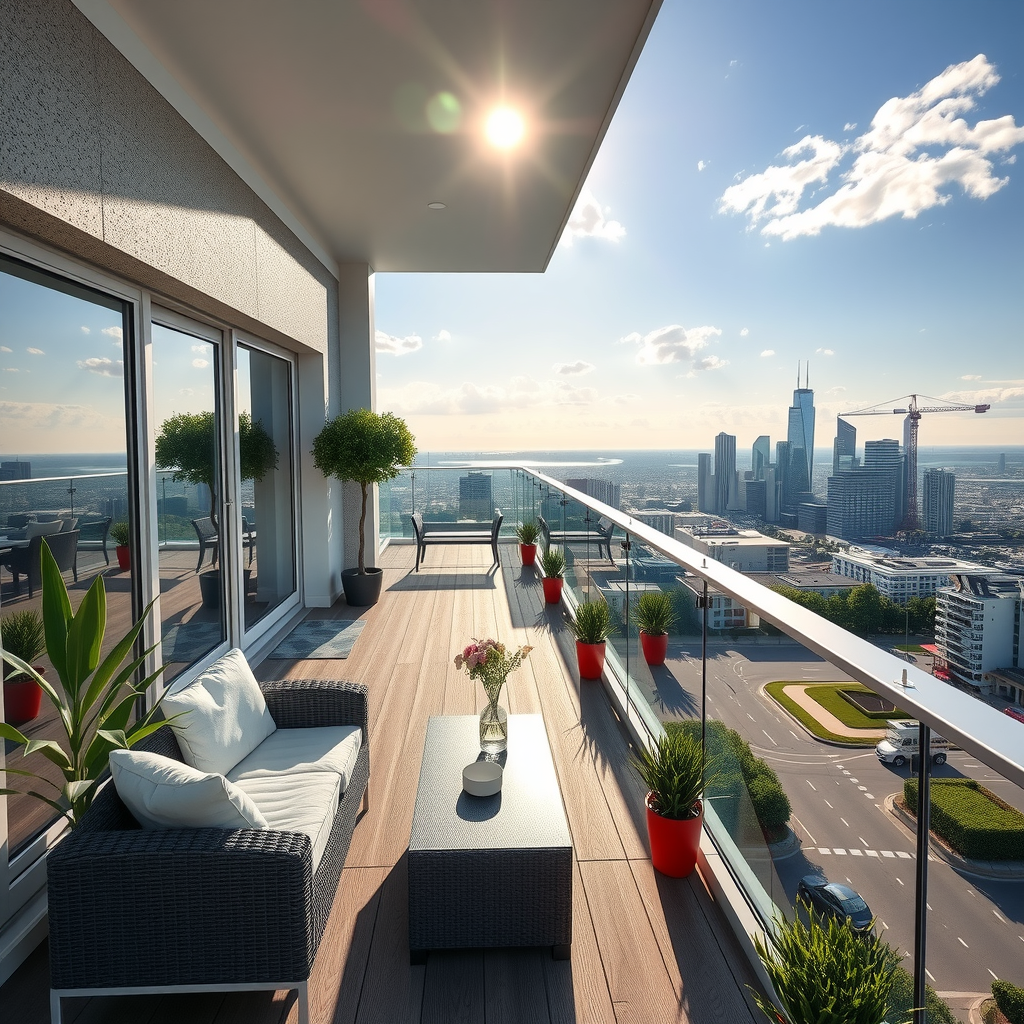
For spaces with glass wall entrance zones, attention to door hardware, alignment of leaf sets, and weather sealing (where applicable) ensures smooth operation and energy efficiency. Exterior glass walls demand appropriate solar control strategies and protective coatings to mitigate heat gain and glare, while interior partitions prioritise privacy and acoustic comfort.
A resilient, future-facing approach
From frameless beginnings to structured, framed systems, glass partitions have matured into versatile tools for design and function. The best projects harmonise light with privacy, beauty with practicality, and branding with performance. As workplace paradigms continue to shift, the enduring appeal of glass office walls lies in their ability to adapt: comfortable, efficient spaces that encourage collaboration, while delineating areas for focus. The ongoing refinement of glass wall exterior and interior solutions ensures that offices remain bright, calm, and productive environments for years to come. Whether you are weighing glass office walls cost, exploring glass wall price points, or evaluating frosted glass office walls for a selective look, the current trend leans toward thoughtful, high-performance framed systems that respect both human and business needs.
A glass partition can transform any office by creating open, light-filled spaces that maintain privacy where needed. It blends modern aesthetics with practical function, reducing noise while preserving sightlines. This versatile solution suits conference rooms, lounges, and work zones, offering customization for color, texture, and durability. Explore possibilities at glass partition.
A glass partition transforms offices with clean lines, natural light, and customizable privacy. It blends modern aesthetics with practical sound control and flexible layouts. The result is an open, inviting workspace that enhances collaboration without noise disruption. For more design-forward solutions, visit https://www.urbansquare.net/.