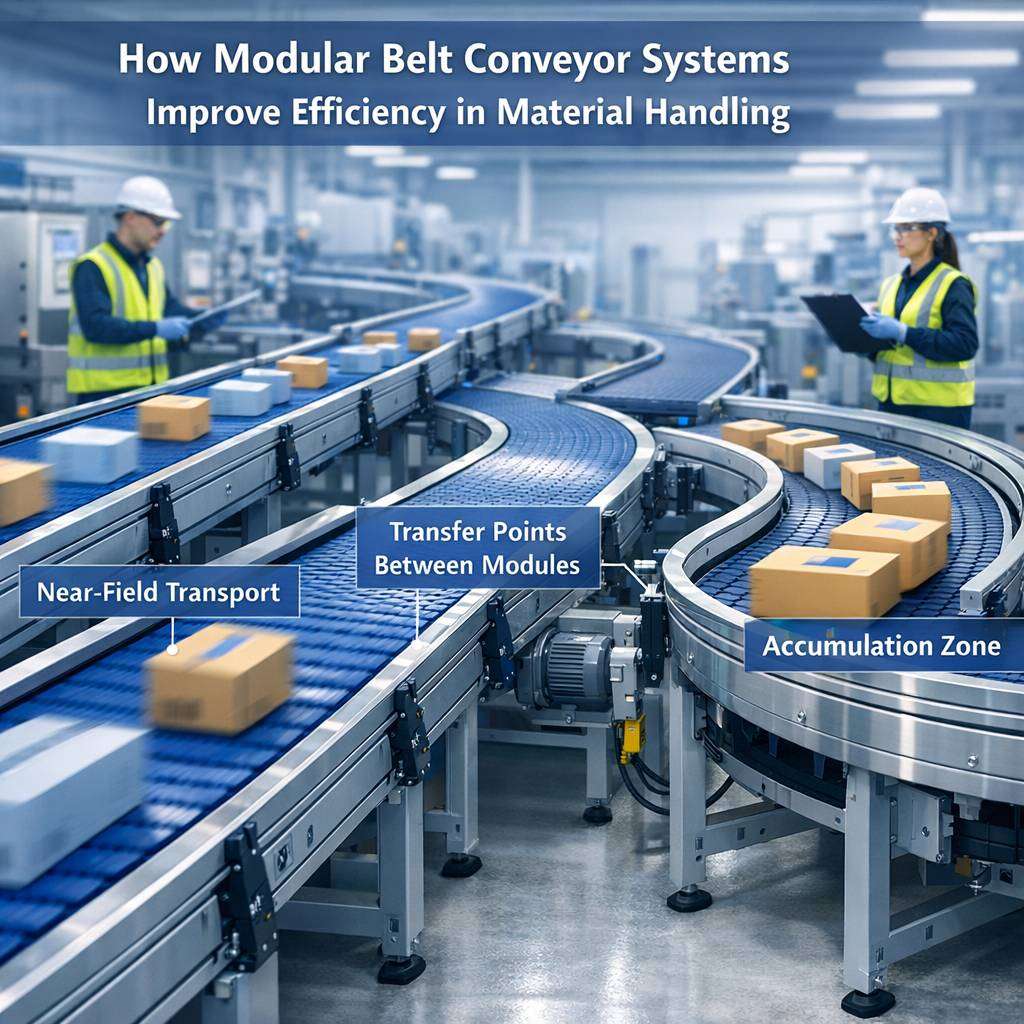


In today’s fast-paced commercial environment, maintaining operational efficiency is critical for success, especially in the realm of warehouse management. As e-commerce continues to expand and customer expectations rise, the demands placed on warehousing operations are more intense than ever. Companies are compelled to seek innovative solutions that not only streamline processes but also reduce operational costs. Among the most effective solutions available are conveyor systems, which have revolutionised the way goods are processed, stored, and dispatched.
Conveyors serve as a vital component in the logistics chain, ensuring that materials and products move seamlessly throughout the warehouse. By automating the transportation of goods, conveyors significantly decrease manual handling and the associated risk of errors, while simultaneously boosting productivity. In this post, we will delve into the various ways conveyor systems enhance efficiency in warehouse operations, exploring how they can transform the workflow within these critical facilities.
Streamlining Material Handling
One of the primary advantages of implementing conveyor systems in a warehouse is the ability to streamline material handling processes. Traditionally, items had to be manually moved, sorted, and transported across the warehouse floor, which not only consumed time but also increased the potential for human error. With conveyor belts and automated systems in place, goods can be moved quickly from one point to another, minimising delays and optimising the workflow.
For instance, when receiving inventory, conveyors can facilitate the immediate transport of goods to designated storage areas, reducing the time workers spend walking back and forth. This allows employees to focus on more critical tasks, such as inventory management and quality control. The result is a warehousing process that is not only faster but also more efficient, as automated systems help eliminate unnecessary steps in the supply chain.
Enhancing Order Fulfilment
Effective order fulfilment is the backbone of successful warehouse operations, and conveyor systems play a pivotal role in enhancing this process. In a landscape where rapid turnaround times are increasingly important, the ability for conveyors to facilitate the picking and packing process is invaluable. Automated conveyor systems allow for the efficient movement of goods to picking stations, ensuring that orders can be filled swiftly and accurately.
Moreover, advancements in conveyor technology enable features such as sorting and indexing. This allows for a systematic approach to the picking process, as items can be sorted according to their destination, reducing the chances of error and expediting the overall fulfilment process. Consequently, warehouses equipped with sophisticated conveyor systems can not only meet but exceed customer expectations regarding delivery times and accuracy.
Conveyors play a crucial role in modern logistics, streamlining the movement of goods efficiently. For top-quality conveyor solutions, explore https://conveyorrollers.co.uk, where you can find innovative systems designed to enhance productivity and reduce operational costs.
Reducing Labour Costs
Labour costs are a significant expense for any warehouse operation, and optimising workforce efficiency is crucial for bolstering profitability. By incorporating conveyors into the material handling process, companies can significantly reduce their labour requirements. With machines taking over the heavy lifting, fewer employees are needed to manage the flow of goods, leading to lower labour costs over time.
Furthermore, reducing the manual effort required from workers can lead to a decrease in workplace injuries and associated compensation claims. The ergonomic advantages provided by conveyor systems can improve overall employee well-being, fostering a safer working environment and enhancing job satisfaction. In turn, this can lead to reduced turnover and training costs, further alleviating the financial burden on organisations.
Maximising Space Utilisation
Warehouses are often constrained by space limitations, making effective space utilisation a critical aspect of operation. Conveyor systems can aid in maximising the use of available space by allowing for vertical configurations and efficient layouts. Unlike traditional material handling methods that require significant floor space, conveyors can be designed to occupy less area while maintaining a streamlined flow of goods.
This is particularly beneficial in environments where high-density storage is required. By employing multi-tier conveyor systems, businesses can efficiently utilise vertical space, allowing for the storage of more items within a smaller footprint. As a result, warehouses can expand their operational capacity without the need to relocate or undergo costly renovations.
Facilitating Inventory Management
Effective inventory management is vital for the smooth operation of warehouse systems. Conveyor systems contribute to accurate inventory tracking by allowing for real-time monitoring of goods as they move through the facility. Advanced conveyor systems can be integrated with warehouse management software, enabling warehouse managers to maintain an accurate and up-to-date view of inventory levels.
This heightened visibility makes it easier to manage stock, minimises the risk of overstocking or stockouts, and ensures that goods are available when needed. The integration of automation in inventory management can reduce the time spent on cycle counts and enhance overall inventory accuracy, resulting in a more agile and responsive warehouse operation.
Improving Overall Warehouse Productivity
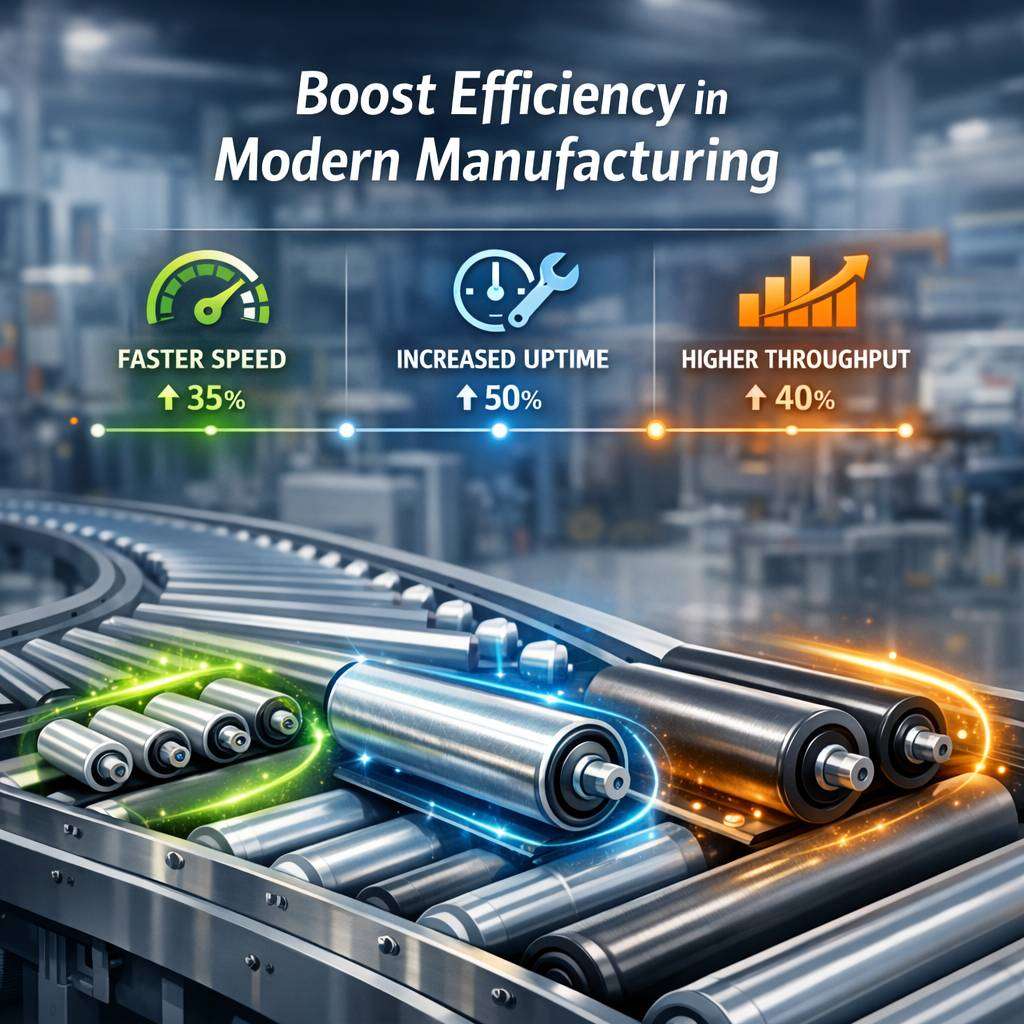
Ultimately, the implementation of conveyor systems leads to a marked improvement in overall warehouse productivity. By automating the transportation of goods, reducing manual labour, and enhancing order fulfilment, warehouse operations can achieve levels of efficiency that were previously unattainable. The time-saving benefits afforded by conveyors translate into increased throughput, allowing warehouses to handle a higher volume of orders with consistent quality.
Moreover, the increased integration of technology within conveyor systems means that warehouses can continually adapt and optimise their processes. By identifying and addressing bottlenecks in real-time, businesses can make informed decisions that further enhance workflow efficiency. In a competitive market, this ability to pivot quickly in response to operational needs can be a decisive factor in achieving success.