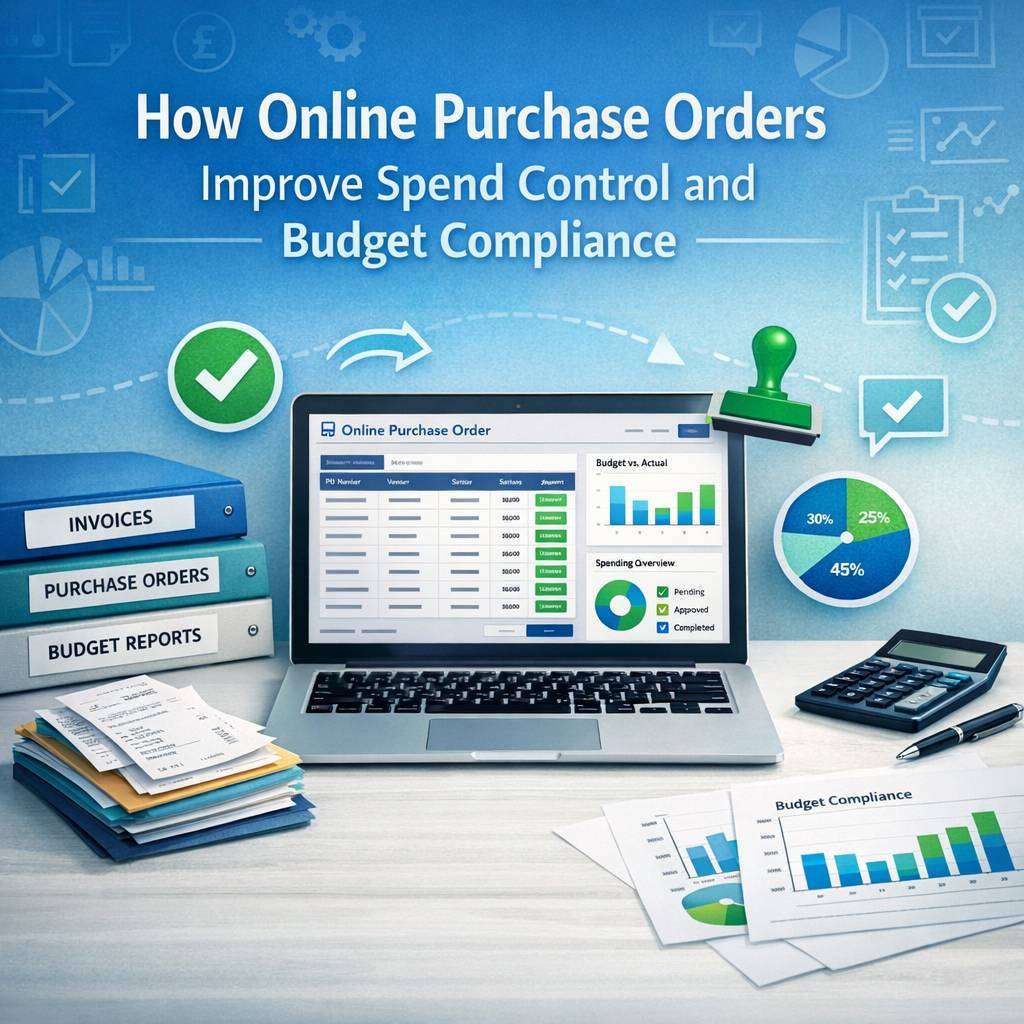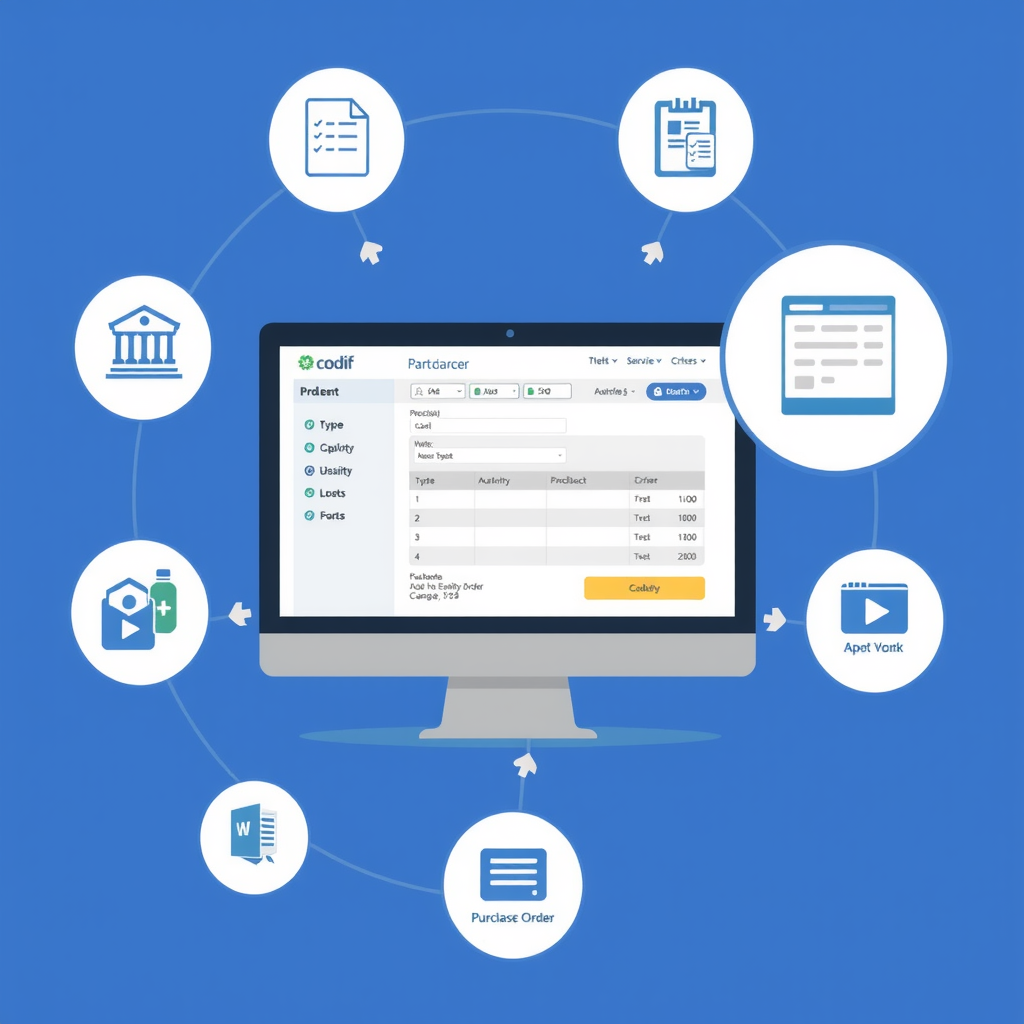


In the intricate world of procurement, the efficiency of your processes can significantly impact your bottom line. A well-structured purchase order system is not merely a tool; it is a strategic advantage that can streamline operations, enhance visibility, and improve cost management. This blog post explores the multifaceted benefits of implementing a purchase order system, focusing on how it can elevate your procurement process, especially for small businesses.
Understanding Purchase Order Systems
A purchase order (PO) system is a business solution that helps organisations manage their purchasing process more effectively. At its core, it allows buyers to issue formal requests for goods and services, thereby creating a legally binding contract upon acceptance by the supplier. The traditional methods of managing purchase orders involved manual paperwork that was often subject to errors and delays. However, with advancements in technology, today’s cloud-based purchase order software offers a more efficient alternative.
The Advantages of Cloud-Based Purchase Order Software
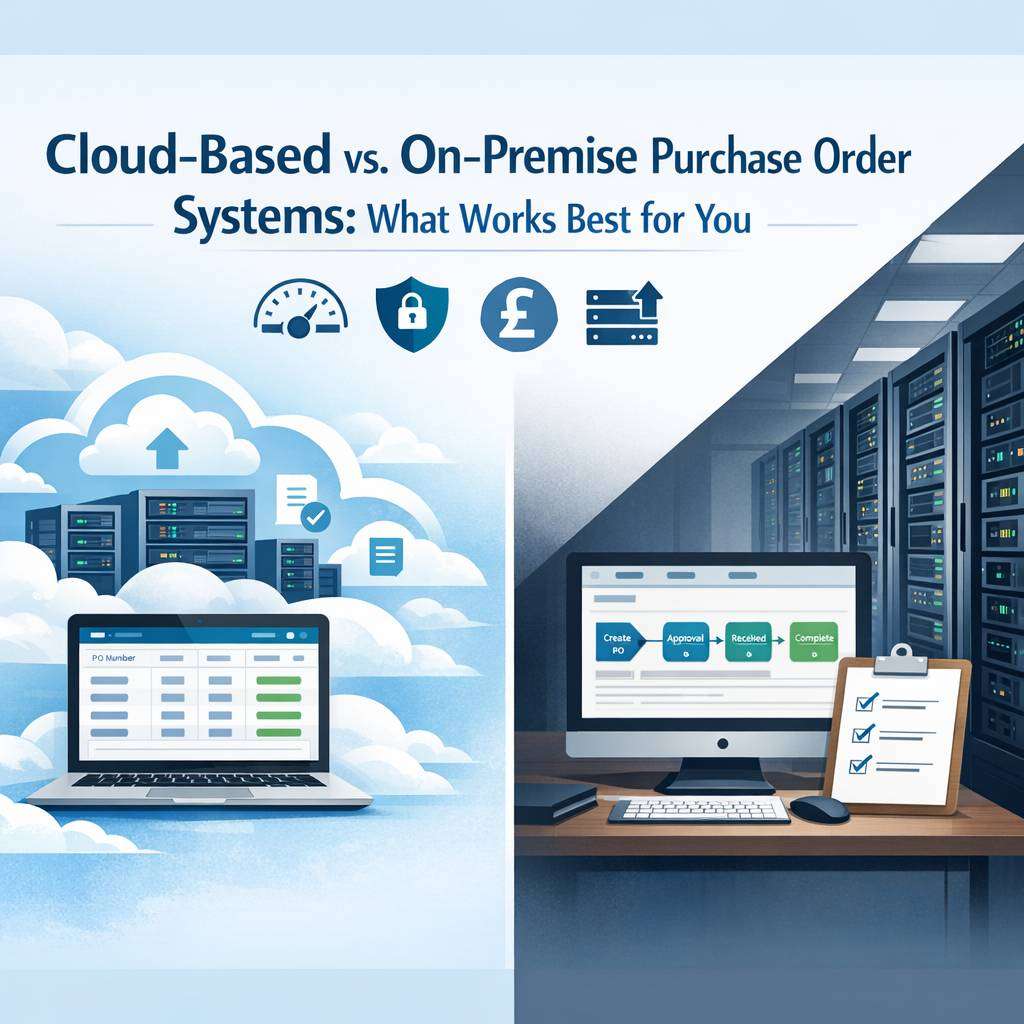
The transition to a cloud-based purchase order software solution provides a plethora of benefits, particularly for small businesses seeking to improve their procurement processes. One of the standout features of an online purchase order system is its accessibility. Users can access the software from anywhere, allowing for seamless communication and collaboration among team members, regardless of their geographical location.
Moreover, cloud-based systems facilitate real-time updates and notifications, ensuring that all stakeholders are informed of any changes in the procurement process. This immediacy not only fosters a more responsive procurement environment but also significantly reduces the chances of miscommunication that can lead to costly errors.
Streamlining the Procurement Process
Implementing a purchase ordering software system enhances the procurement process in several key ways. First, it automates many of the repetitive tasks that can bog down management, such as manually entering data, creating purchase orders, and tracking approvals. Automation leads to a reduction in human error, freeing up valuable time for procurement professionals to focus on strategic initiatives.
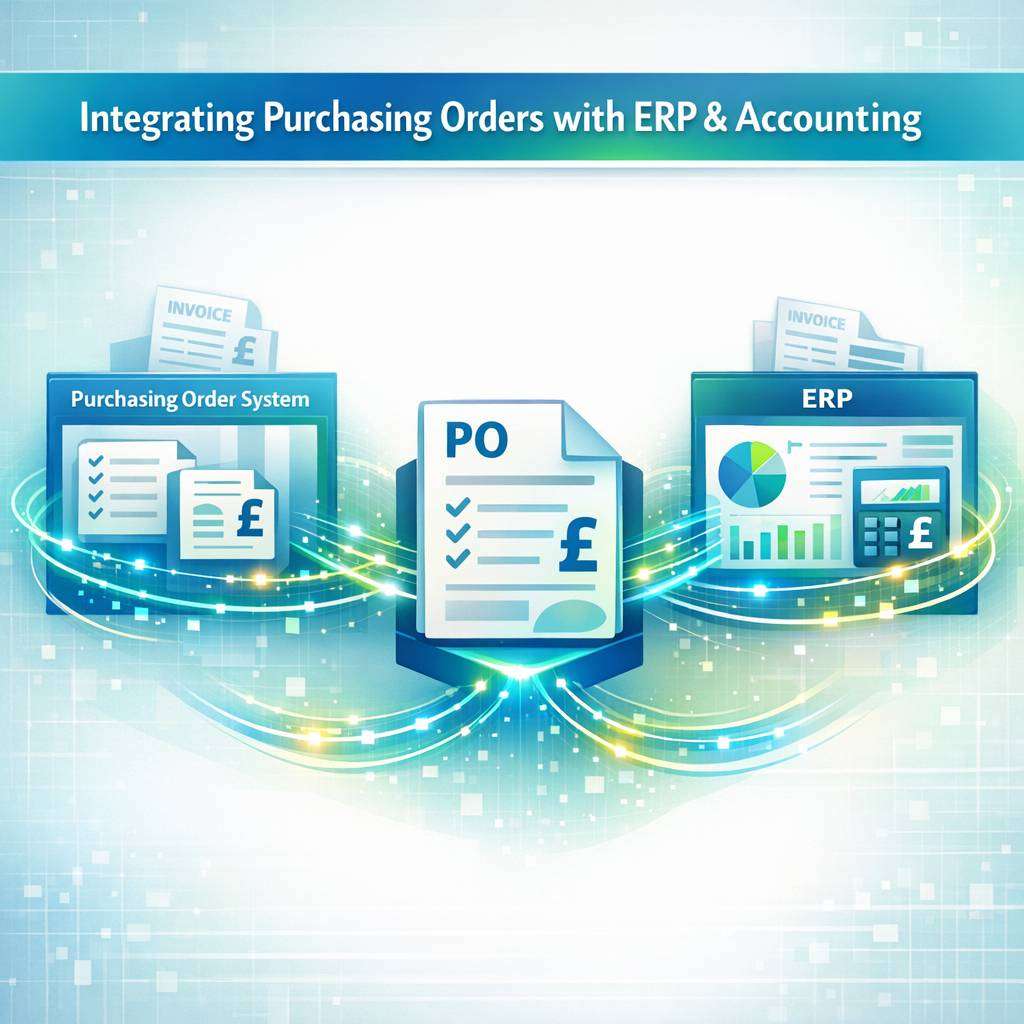
Additionally, an online purchase order system often integrates with other financial software tools, enabling streamlined workflows between purchasing and accounting departments. This integration creates a holistic view of procurement and financial performance, which is particularly beneficial in making informed purchasing decisions and managing budgets effectively.
Improved Compliance and Control
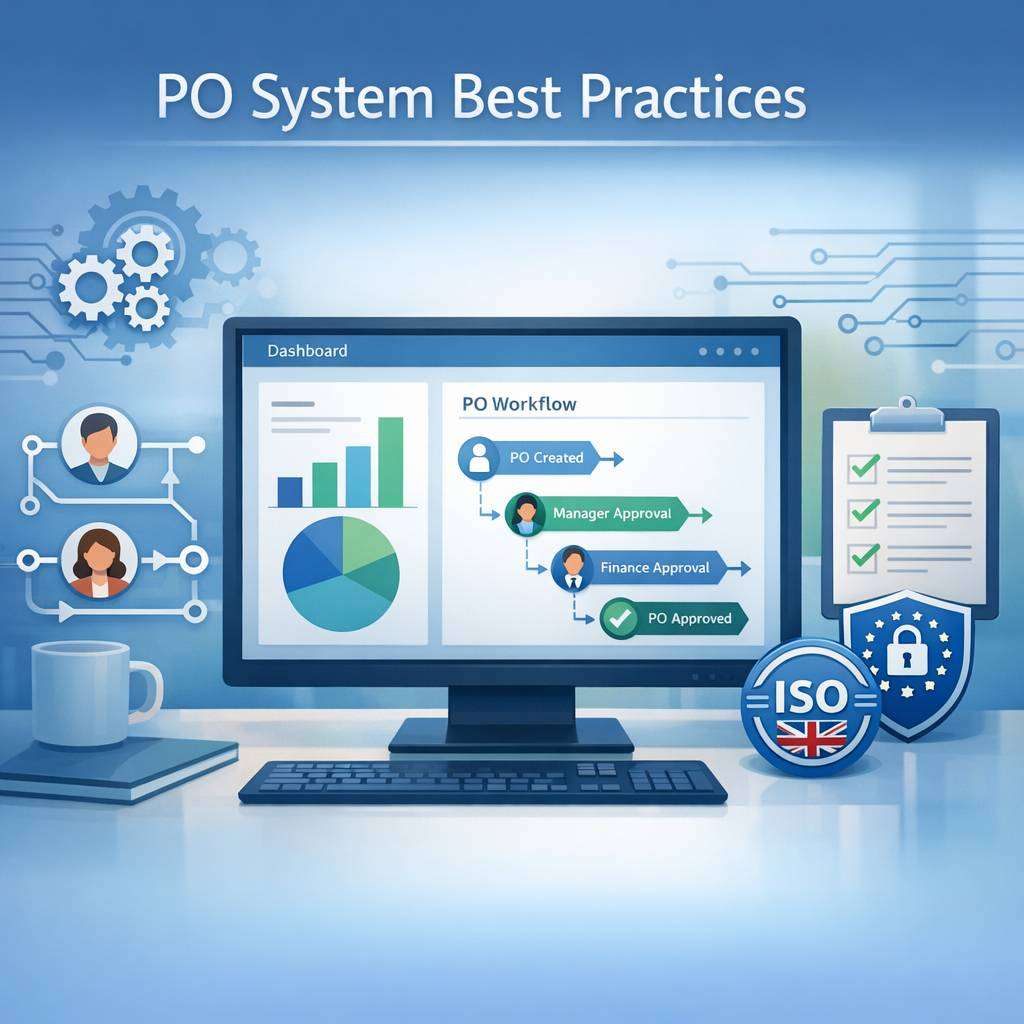
A robust purchase order system software inherently improves compliance and control over procurement activities. With standardised processes in place, businesses can better manage supplier relationships and ensure adherence to both internal policies and external regulations.
The use of a PO system for small businesses allows for enhanced oversight. Procurement managers can keep track of orders, document changes, and maintain a comprehensive record of all transactions. This transparency not only aids in resolving disputes but can also be invaluable in auditing scenarios, where a detailed purchase history is needed for verification.
A reliable purchase order system can streamline your procurement process, enhancing efficiency and accuracy. By implementing a robust solution, businesses can easily track orders, manage suppliers, and control spending. Companies looking to optimize their purchasing operations can explore innovative systems available in the market. For more information on the advantages of a modern purchase order system, visit https://cloudb2b.co.uk/ and discover how to transform your purchasing strategy today.
Enhanced Reporting and Analytics
One of the most profound benefits of integrating purchase ordering software is the ability to generate insightful reports and analytics. Cloud-based systems can offer in-depth insights into spending trends, supplier performance, and compliance with purchasing policies. These analytics empower decision-makers to spot potential inefficiencies, negotiate better terms with suppliers, and plan future purchasing strategies based on historical data.
With access to real-time data, organisations can make informed procurement choices that align with their operational goals. For small businesses, leveraging analytics can provide a competitive edge, allowing them to optimise their procurement processes even with limited resources.
Minimising Errors and Reducing Costs
Implementing an online purchase order system significantly minimises errors in the procurement process. Manual handling of purchase orders is not only time-consuming but also prone to inaccuracies such as incorrect quantities, pricing issues, and miscommunication with suppliers. Online purchase orders standardise the ordering process, thereby reducing the likelihood of errors.
Furthermore, the ability to track spending through purchase order software aids organisations in identifying areas where savings can be made. For small businesses operating on tight margins, controlling procurement costs is vital. By enabling detailed tracking and reporting, a PO system allows for more strategic spending decisions, which can lead to substantial cost savings over time.
Scalability for Future Growth
A key consideration for small businesses is choosing solutions that can grow with them. A purchase order system, particularly one that is cloud-based, is inherently scalable. As your business expands and your purchasing needs become more complex, the software can adapt to accommodate increased order volume, more suppliers, and additional users without requiring significant additional investment.
This scalability ensures that as you scale your operations, your procurement process remains efficient. Investing in robust purchase ordering software today lays a solid foundation for future growth, making it easier to adapt to changing business environments and evolving market demands.
Conclusion
The implementation of a purchase order system is an essential step for businesses looking to optimise their procurement processes. Through enhanced efficiency, improved compliance, insightful reporting, and error reduction, a modern approach to purchase ordering—particularly one that utilises cloud-based technology—can significantly benefit both small businesses and larger enterprises alike. Embracing this transformation is key to navigating today’s competitive market landscape effectively.