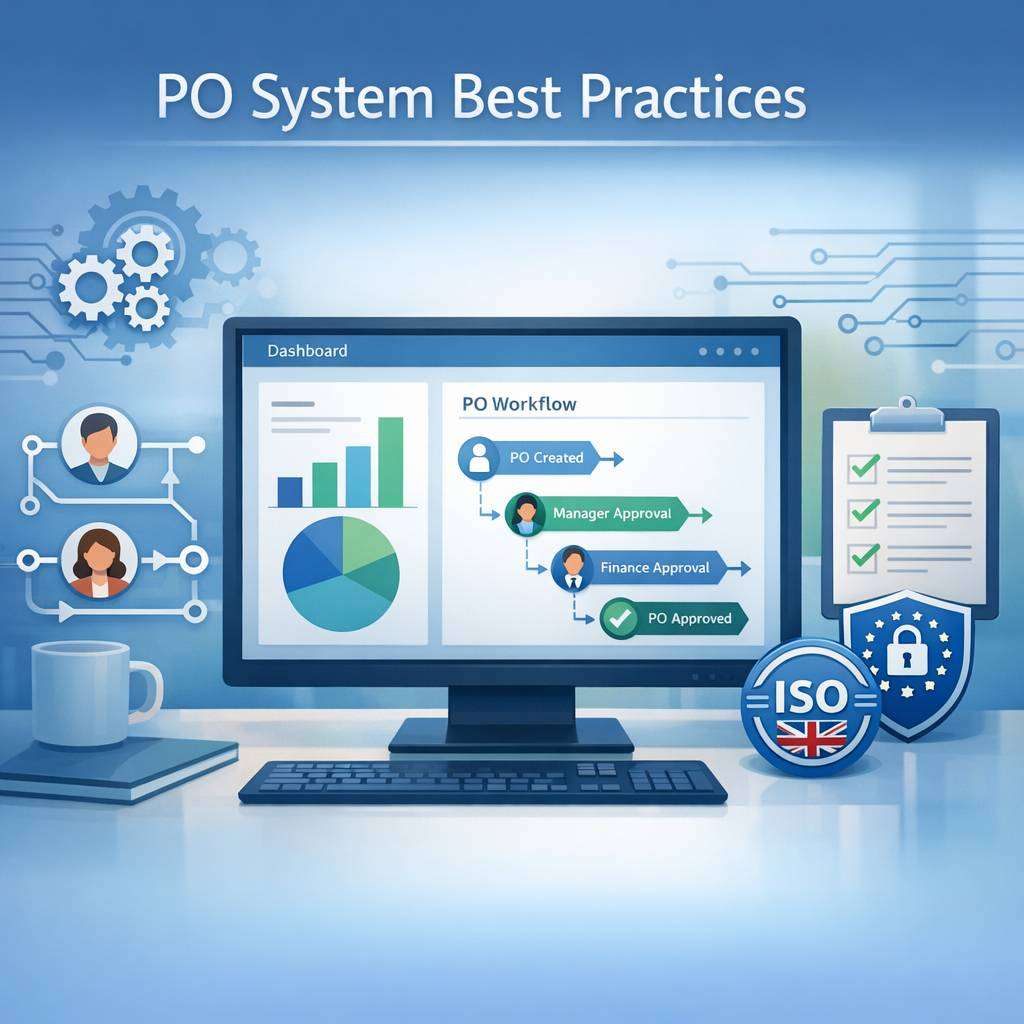

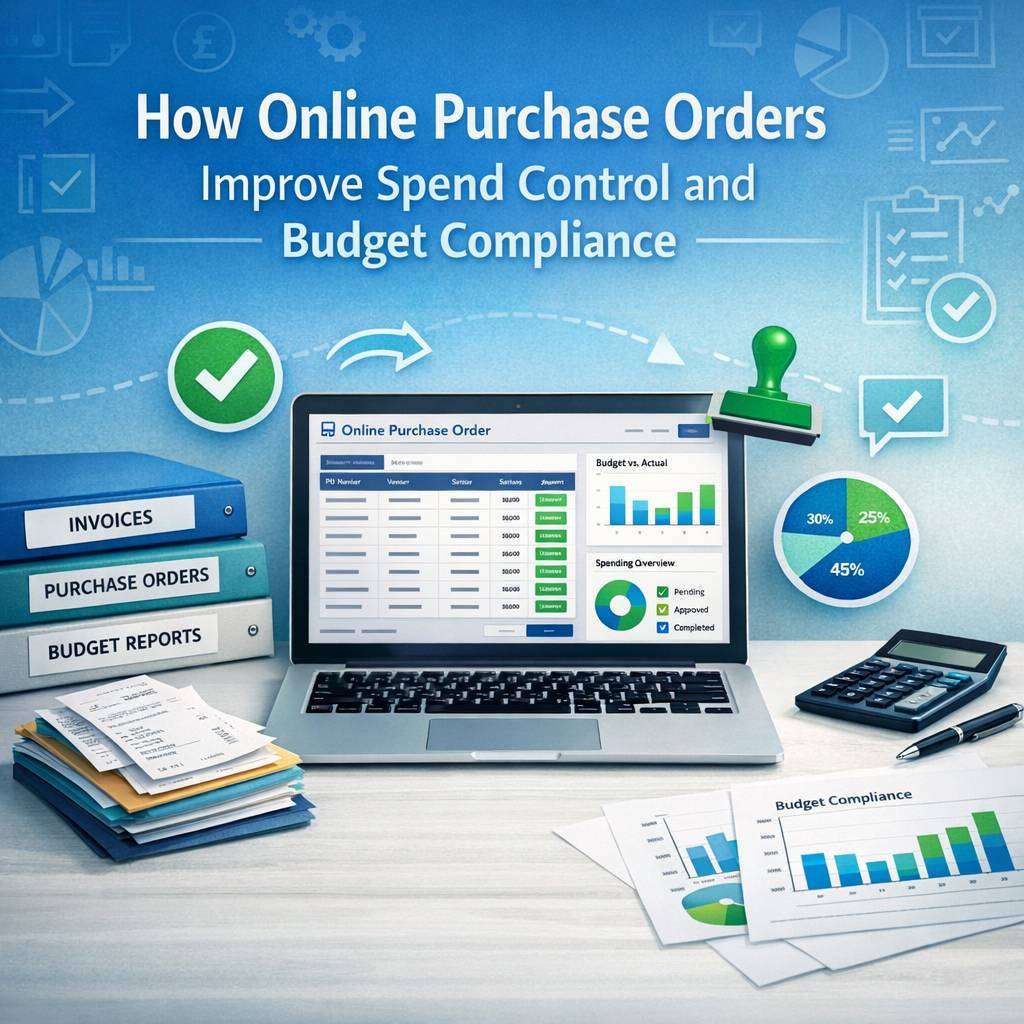
In the modern procurement landscape, organisations are increasingly turning to online purchase orders to tighten spend control and bolster budget compliance. An online purchase order system offers a structured, auditable, and transparent approach to procurement that aligns purchasing activity with strategic financial goals. By centralising and standardising the ordering process, organisations can gain real-time visibility into what is being bought, from whom, and at what price, ultimately driving more disciplined financial management.
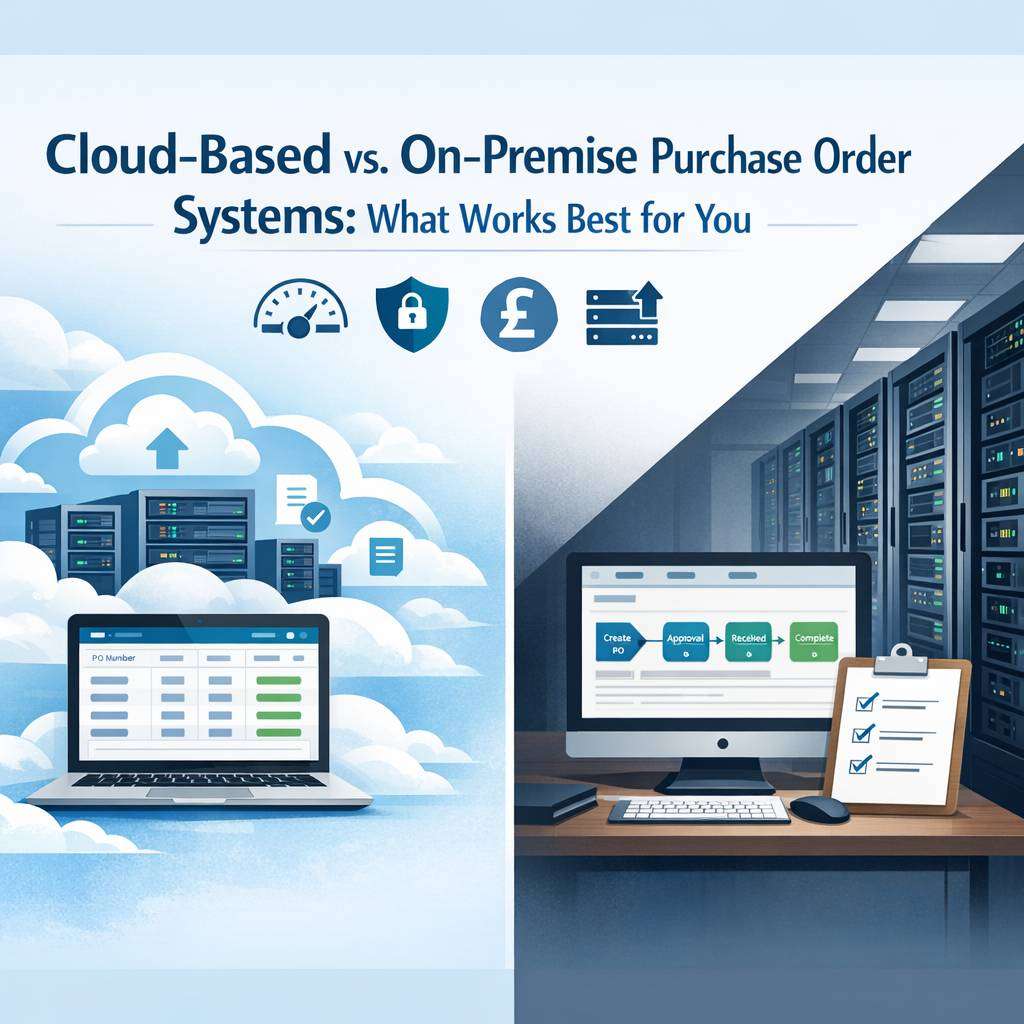
One of the core advantages of a purchase order system is enhanced visibility. When every requisition translates into a formal purchase order, there is a clear record that documents the approved request, the authorised buyer, and the budget line it touches. This creates an auditable trail that auditors can follow and finance teams can rely on during month-end reporting. Cloud based purchase order software further strengthens this capability by providing ubiquitous access to live data. Stakeholders can monitor outstanding orders, confirm budget availability, and detect potential overspend before commitments become irreversible. This level of transparency is particularly valuable in complex organisations with multiple departments, multiple sites, or global operations.
The automation embedded in a cloud based purchase order software or po system software reduces manual errors and processing times. Traditional manual processes often involve numerous touchpoints, including emailed requisitions, printed forms, and separate approval workflows. Each handoff introduces the risk of miscommunication and errors that can lead to duplicate orders, incorrect quantities, or price changes that escape early scrutiny. An online purchase order system standardises these steps, ensuring that every order follows the same rules: governance through approvals, budget checks, and supplier validation. When procurement is digitalised, the risk of non-compliant purchases decreases substantially, and the organisation can rely on enforceable controls rather than heroic manual reconciliation.
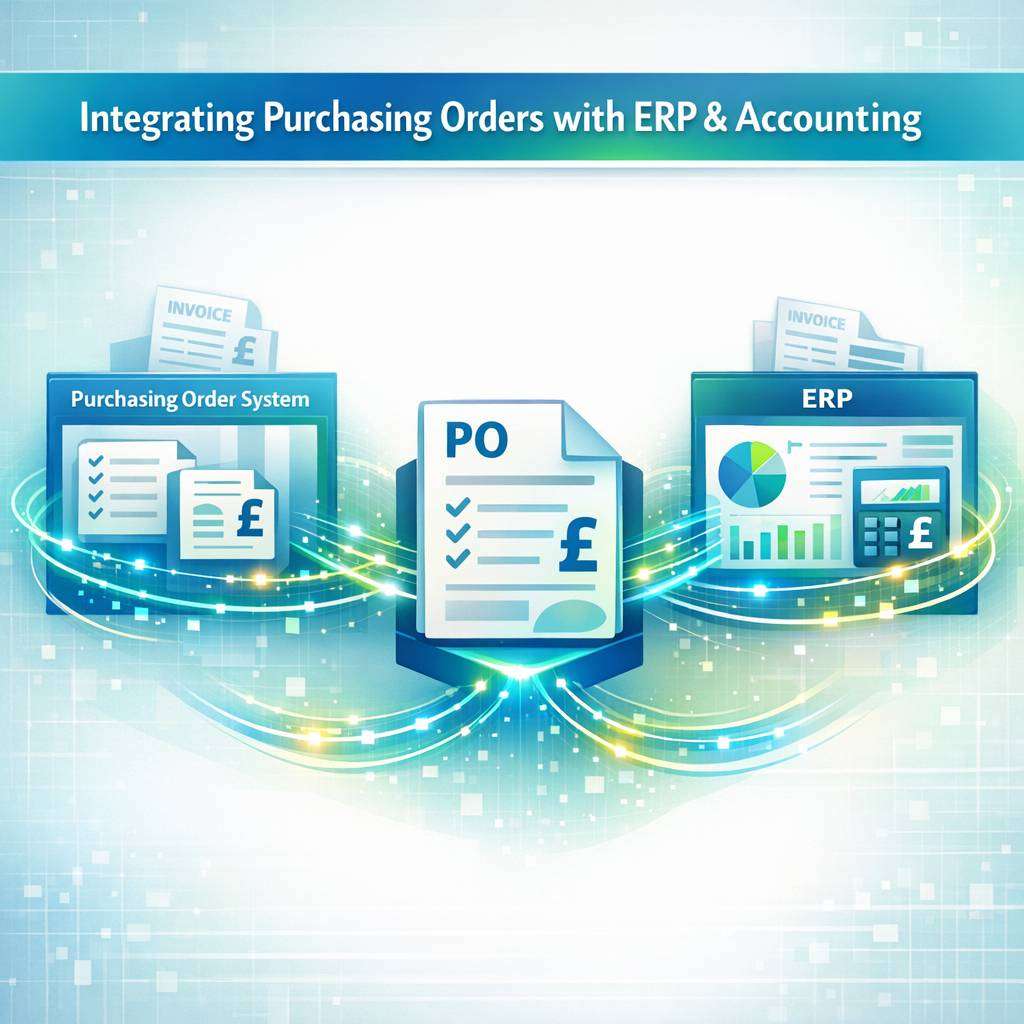
Budget compliance is strengthened through enforceable controls at key points in the procurement cycle. Purchase order systems integrate with financial planning and accounting systems so that committed spend is linked directly to the approved budget, with real-time updates as orders are raised, amended, or fulfilled. This creates a closed-loop control environment: as soon as a requisition is submitted, the system checks budget availability, enforces approval thresholds, and restricts non-PO purchases from bypassing the process. For organisations operating on strict budget caps or cost-centre accounting, this capability is transformative. It lets finance teams pre-empt over-expenditure, reallocate funds proactively, and provide timely governance reporting to senior management.
The scalability of online purchase orders is a critical enabler for organisations that are growing or undergoing operational change. Purchase order systems are designed to handle increasing volumes without sacrificing control. A cloud based solution can accommodate peak periods, such as end-of-quarter buys or new project starts, while preserving the ability to track where every pound is allocated. As a result, small and medium-sized enterprises (SMEs) can access enterprise-grade controls typically associated with large organisations. This democratisation of spend management helps standardise procurement practices across the entire business, which is essential for consistent budget adherence.
Supplier governance also benefits from an online PO system. When a purchase order is issued through a formal workflow, supplier terms, delivery expectations, and pricing are captured within the purchase order record. This reduces the likelihood of misaligned expectations and helps ensure that supplier invoices align with the originally approved terms. A robust po system software also supports supplier master data quality, ensuring that only approved vendors can be used and that master data remains clean and up-to-date. In turn, this improves negotiations, leverages bulk purchasing opportunities, and reduces the total cost of ownership by avoiding late payments and penalties.
For organisations in the UK, specifically, a purchase order system uk or purchase ordering software that adheres to local regulatory requirements can simplify compliance in procurement reporting and VAT accounting. Localised features such as VAT treatment, tax codes, and supplier registration rules are more easily managed within a system designed with UK practices in mind. Moreover, using software for purchase orders that is designed for the UK market helps ensure that monthly management accounts and statutory reporting reflect accurate procurement activity, contributing to a healthier overall financial picture.
User adoption and process adoption are essential considerations when deploying an online purchase order system. The most effective implementations combine intuitive interfaces with well-defined approval hierarchies and clear governance policies. A well-implemented system reduces the friction of requesting and obtaining approvals, leading to faster cycle times and fewer workarounds that bypass controls. While the primary objective is spend control and budget compliance, successful adoption also supports procurement analytics. With a centralised data repository, organisations can perform spend analyses, identify maverick buying, and benchmark performance across departments. This enables data-driven decisions, enabling smarter budgeting for future periods and more accurate forecasting.
Security and access controls are foundational to any cloud based purchase order software deployment. Role-based access ensures that users can perform only the actions appropriate to their responsibilities. Procurement teams, budget holders, and finance personnel may each have distinct permissions that restrict changes to critical data or high-value orders. Regular audits and change tracking further strengthen governance by providing a clear record of who did what, when, and why. A secure PO system is not merely about safeguarding data; it is about preserving the integrity of the procurement process and maintaining stakeholder trust.
In summary, online purchase orders redefine spend control and budget compliance by delivering visibility, standardisation, and automation across the procurement lifecycle. From initiating requisitions to finalising payments, a purchase order system uk or cloud based purchase order software ensures every purchase is evaluated against approved budgets, routed through proper approvals, and reflected in accurate financial reporting. As organisations increasingly rely on data-driven governance, adopting robust purchase order systems and software for purchase orders is not just a best practice; it is a strategic imperative for prudent financial management. By embracing purchase order systems, businesses can drive smarter spending, improve supplier relationships, and support sustainable budget discipline in an ever-evolving commercial environment.
Online purchase orders streamline procurement, reduce manual data entry, and improve visibility across teams. Businesses can track approvals, budgets, and fulfillment in real time, ensuring compliant spending and faster cycle times. For more insights, visit the resource below in the second half: https://www.airbase.com/modules/ap-automation/purchase-orders.
Online purchase orders streamline procurement, offering faster processing, reduced paperwork, and clearer audit trails. Businesses can manage supplier catalogs, track order status, and automate approvals from a single dashboard. With cloud-based solutions, collaboration improves across teams, enhancing accuracy and delivery timelines. For more resources and tools to optimize your workflow, visit https://cloudb2b.co.uk/ and explore scalable options that fit your needs. Implementing online purchase orders helps control costs, boost efficiency, and support strategic sourcing decisions.
Online purchase orders streamline procurement, reducing paper waste and speeding approvals. This method centralizes requisitions, improves visibility, and helps teams track spending in real time. For Yale policies, access https://your.yale.edu/policies-procedures/procedures/3201-pr01-purchase-order-process to understand the process and compliance requirements. By digitizing workflows, organizations enhance accuracy, accountability, and supplier relationships while maintaining auditable records through every online purchase orders submission.
Online purchase orders streamline procurement workflows by enabling faster approvals, real-time tracking, and centralized documentation. Businesses can reduce manual data entry, improve budgeting accuracy, and strengthen supplier collaboration with clear, auditable records. This approach supports compliance and scalable growth for growing teams. For broader guidance on non-inventory needs and related processes, refer to this resource: https://www.aestiva.com/wiki/non-inventory-purchase-order.
FAQ: Online Purchase Orders
What is an online purchase order?
An online purchase order is a formal document created and transmitted electronically to authorise a supplier to deliver goods or services. It includes details such as item descriptions, quantities, prices, delivery dates, and payment terms.
How do I place an online purchase order?
Typically, you log in to your supplier or procurement platform, select items, specify quantities, review terms, and submit the PO. The system may generate a unique PO number and send it automatically to the vendor via email or a portal.
What information is required on an online purchase order?
Common fields include:
- Seller/vendor information
- Buyer information
- PO number and date
- Item descriptions, SKUs, quantities, unit prices
- Delivery address and date
- Payment terms and method
- Tax, shipping methods, and any special instructions
Can I modify or cancel an online purchase order after submission?
Yes, but it depends on the system and supplier policies. Some platforms allow amendments or cancellation up to a certain point in the fulfillment process. Notify the supplier promptly to avoid fulfillment errors.
How do I track the status of an online purchase order?
Most platforms provide order status updates (e.g., draft, submitted, approved, in processing, shipped, delivered). You can usually view status in your procurement dashboard or receive email/SMS notifications.
What are the benefits of using online purchase orders?
- Faster processing and fewer manual errors
- Improved visibility and reporting
- Standardized procurement terms
- Better audit trails and compliance
- Easier collaboration with suppliers
Are online purchase orders legally binding?
Yes. A properly issued purchase order constitutes a contract to purchase goods or services under the terms stated. Ensure accuracy and keep records for audit and compliance.
How do I handle discrepancies on an online purchase order?
If there’s a mismatch between the PO and received goods, document the discrepancy, notify the supplier, and reference the PO number. Use your system to adjust quantities, issue a credit or a new PO, or initiate a return per policy.
What should I do if I don’t see my online purchase order after submission?
Check the submission status, email confirmations, and spam folders. Verify you entered the correct buyer and supplier details. If still missing, contact the supplier’s support or your procurement administrator.
Are there security considerations for online purchase orders?
Yes. Use secure portals with encryption, strong authentication, and access controls. Avoid sharing POs via unsecure channels and enforce role-based permissions in your procurement system.
Can online purchase orders integrate with accounting or ERP systems?
Many platforms offer integrations with ERP, accounting, and inventory management systems to automate linking POs with invoices, receipts, and financial ledgers.
What payment terms are typically associated with online purchase orders?
Common terms include Net 30, Net 45, or prepayment. Terms vary by supplier and contract. The PO should clearly state agreed payment terms and methods.
How do I create an online purchase order template?
Create a template with standard fields (vendor data, your company details, item lines, terms, and approvals). Save as a reusable template in your procurement system to streamline future orders.
What should I do if I need to escalate a PO issue?
Document the issue with PO number, affected items, and dates, then contact the supplier’s account manager or your procurement administrator. If needed, open a support ticket in the platform.
Are there best practices for managing online purchase orders?
- Standardize PO formats across the organization
- Use centralised approval workflows
- Enforce spend limits and renewal reminders
- Regularly audit PO data for accuracy
- Maintain clear communication with suppliers
If you’d like, I can tailor these FAQs to a specific industry, platform, or set of tools you’re using.
< a href=”https://cloudb2b.co.uk/po-system”>online purchase orders are transforming procurement for businesses, enabling faster approvals, consolidated tracking, and reduced errors. With a cloud-based system, teams collaborate in real time, generate accurate purchase orders, and streamline supplier communication. Embrace scalable workflows, improve spend visibility, and accelerate procurement cycles while maintaining strong governance and audit trails across every online purchase orders process.