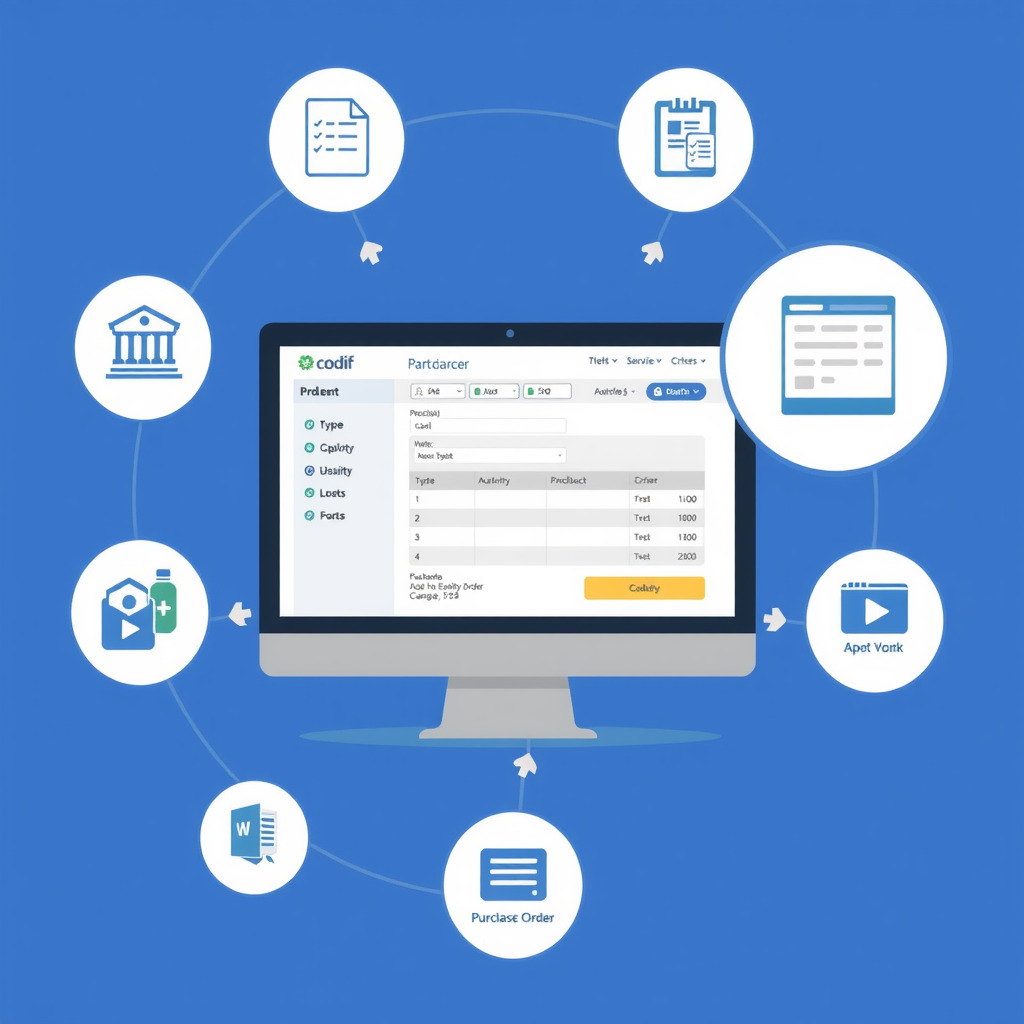


In today’s fast-paced business environment, managing procurement and supply chain processes efficiently is critical. Poorly managed purchasing processes can lead to delays, errors, and unnecessary costs. That’s where a purchasing order system comes into play. Selecting the right purchase order software for your business can streamline operations, improve accuracy, and enhance financial control.
With a plethora of options on the market—ranging from simple online purchase orders to comprehensive purchase order systems—making the right choice can be daunting. To aid in your decision-making, it’s vital to know what key features your purchase order system should offer.
User-Friendly Interface
One of the most critical factors to consider when evaluating purchase order software is its user interface. A system with a complex or unintuitive design can lead to mistakes, extensive training requirements, and employee frustration. A user-friendly interface ensures that team members can navigate the online purchase order system with ease, enabling them to focus on core activities rather than wrestling with technology.
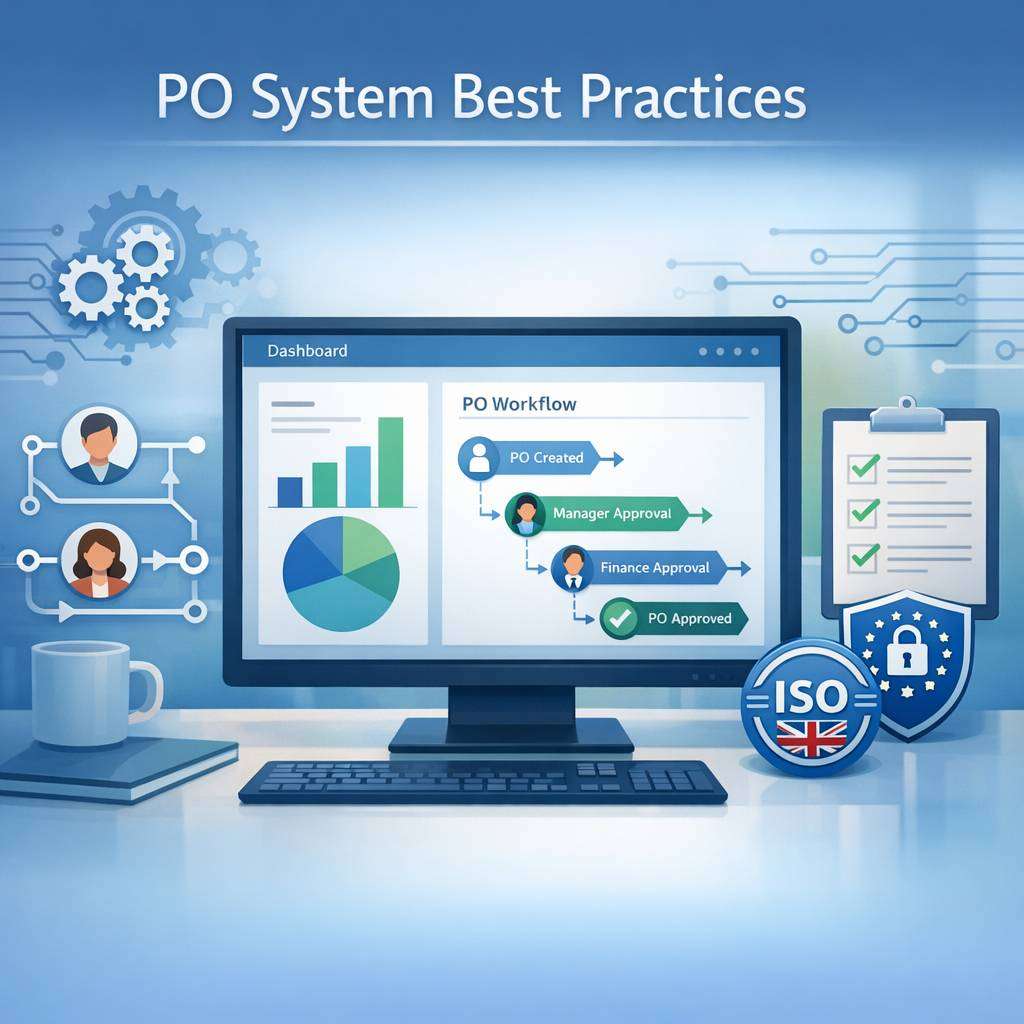
Look for features such as dashboards that present key information at a glance, clear navigation menus, and the ability to customise workflows to suit specific departmental needs. If your team can quickly generate purchase orders, approve them, and track their status, you’ll find that operational efficiency is significantly enhanced.
Integration Capabilities
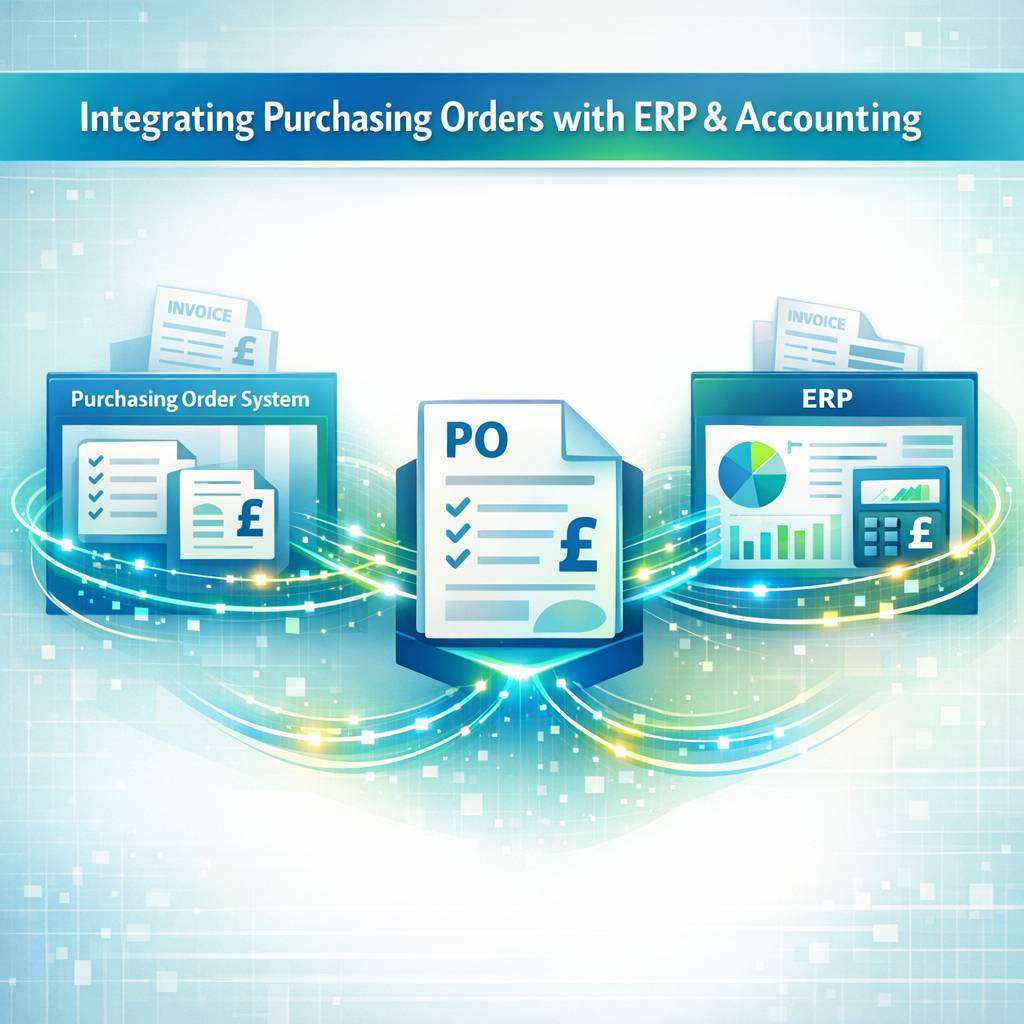
A robust purchasing order system must integrate seamlessly with your existing software. Whether you’re using CRM, ERP, or accounting solutions, interoperability is crucial for maintaining a streamlined procurement process. Purchase orders software that facilitates easy integration can lead to better data accuracy and reduce time-consuming data entry tasks.
Evaluate how well the potential purchase order software integrates with the tools you already use. Integration with platforms such as accounting and inventory management systems can provide you with a holistic view of your financial and stock statuses, thereby improving decision-making.
Customisation Options
Your business is unique, and your purchase order system should reflect that. Customisation is an essential feature to look for when assessing software for purchase orders. It enables you to tailor the purchase order workflows to align with your organisational processes and requirements.
Consider whether the software allows you to create custom fields, templates, and approval workflows. This flexibility is especially beneficial in industries with specific regulatory requirements or operational norms. A purchase order software UK provider that offers such capabilities can often be the difference between a system that merely fits your needs and one that enhances your procurement strategy.
A robust purchase order system is essential for streamlining procurement processes and improving overall efficiency in business operations. Implementing an effective system allows organizations to manage orders, track inventory, and optimize supplier relationships seamlessly. For businesses seeking a comprehensive solution, exploring options like those offered at https://cloudb2b.co.uk/ can facilitate smoother transactions, promote transparency, and enhance financial control. Investing in a quality purchase order system will undoubtedly yield long-term benefits for your supply chain management.
Reporting and Analytics
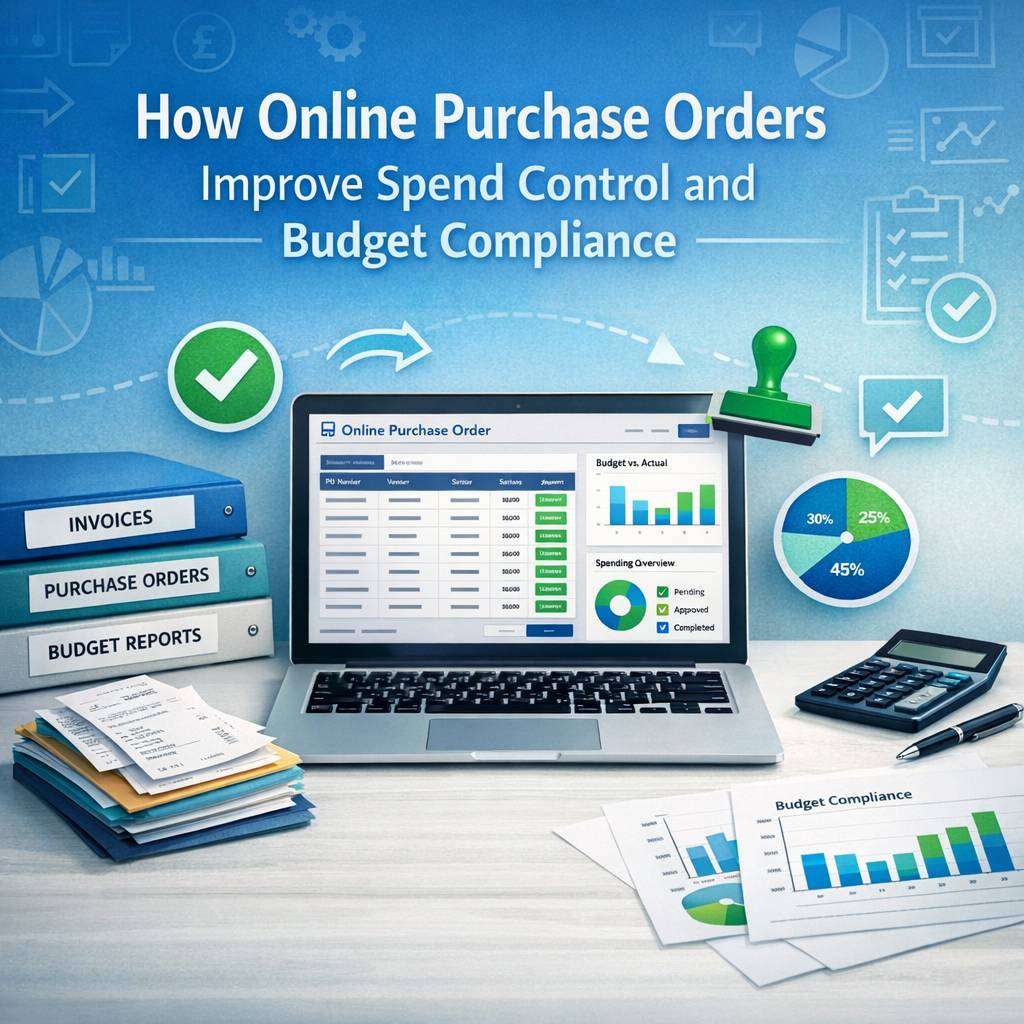
Effective procurement management relies heavily on data-driven decisions. Therefore, your purchase order system should provide robust reporting features and analytics tools. These functionalities will allow you to monitor purchasing patterns, supplier performance, and budget adherence, ultimately leading to more informed business decisions.
Look for online purchase order systems that offer real-time reporting, trend analyses, and insights into purchasing behaviours. With the ability to track various parameters and generate detailed reports, your team can identify cost-saving opportunities and improve supplier negotiations, making your purchasing operation more strategic.
Automation Features
In an era where time is money, automation is key. The right purchase order software should offer automation features that minimise manual processes, reduce errors, and increase efficiency throughout the procurement cycle. Automating repetitive tasks such as order approvals, invoice matching, and inventory updates can free your team to focus on more strategic initiatives.
Consider systems that enable automated notifications for pending approvals or stock reordering based on pre-set thresholds. Automation also reduces the time spent on administrative tasks, ultimately leading to faster procurement cycles and better supplier relationships.
Budget and Cost Consideration
When comparing various purchase order systems, it’s crucial to consider not just the initial costs but also the long-term financial implications. Poorly managed purchasing processes can escalate costs significantly, so weighing the total cost of ownership against potential savings is essential.
Look for purchase order software that offers flexible pricing models, including pay-as-you-go options or tiered pricing based on usage. Some providers may offer free trials or customised packages tailored to your business’s scale and needs. While price is important, avoid making it the sole deciding factor; focus on the software’s overall value proposition.
By taking these features into account, your business will be better positioned to select a purchase order system that not only meets its current needs but also scales with future requirements. Remember, investing in the right purchase order software can yield significant long-term benefits, from improved efficiency to enhanced cost management. Careful consideration of these key features will facilitate a smoother procurement process and support your organisation’s growth ambitions.