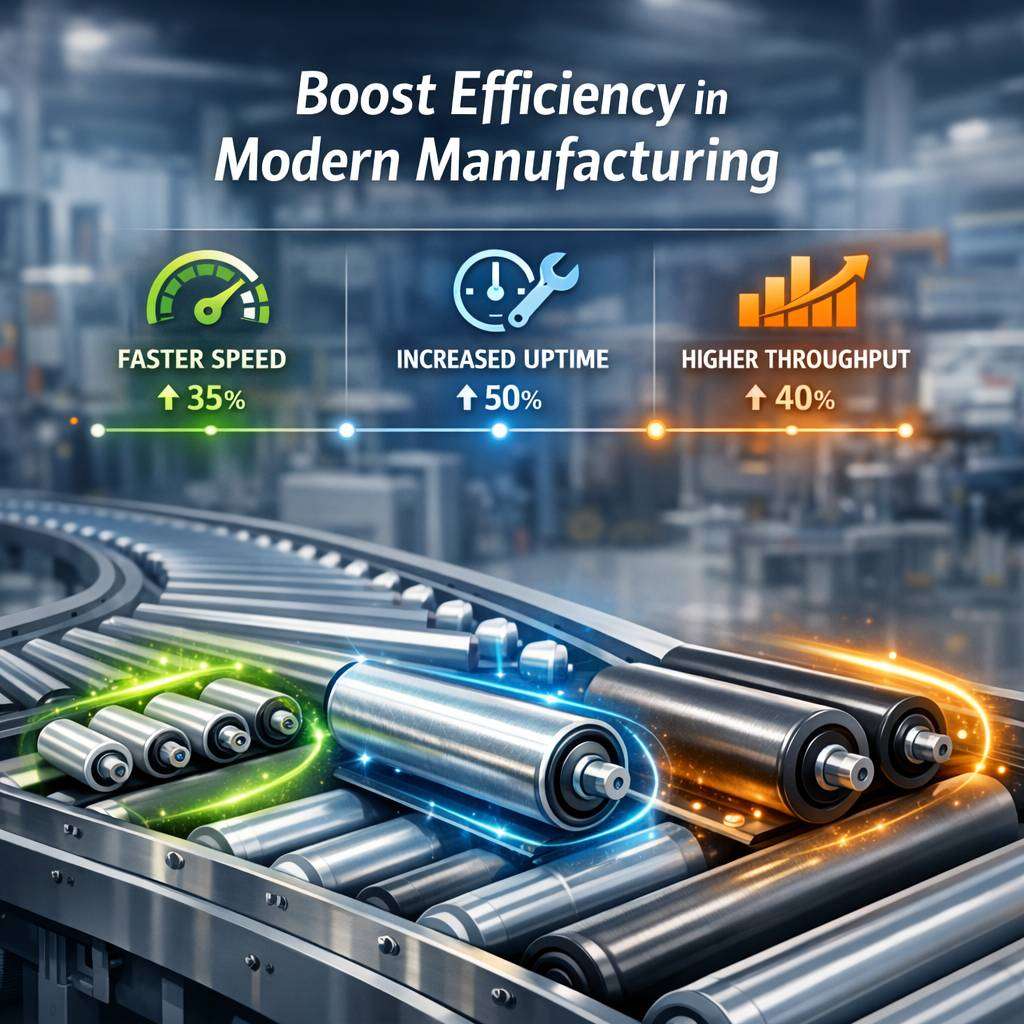

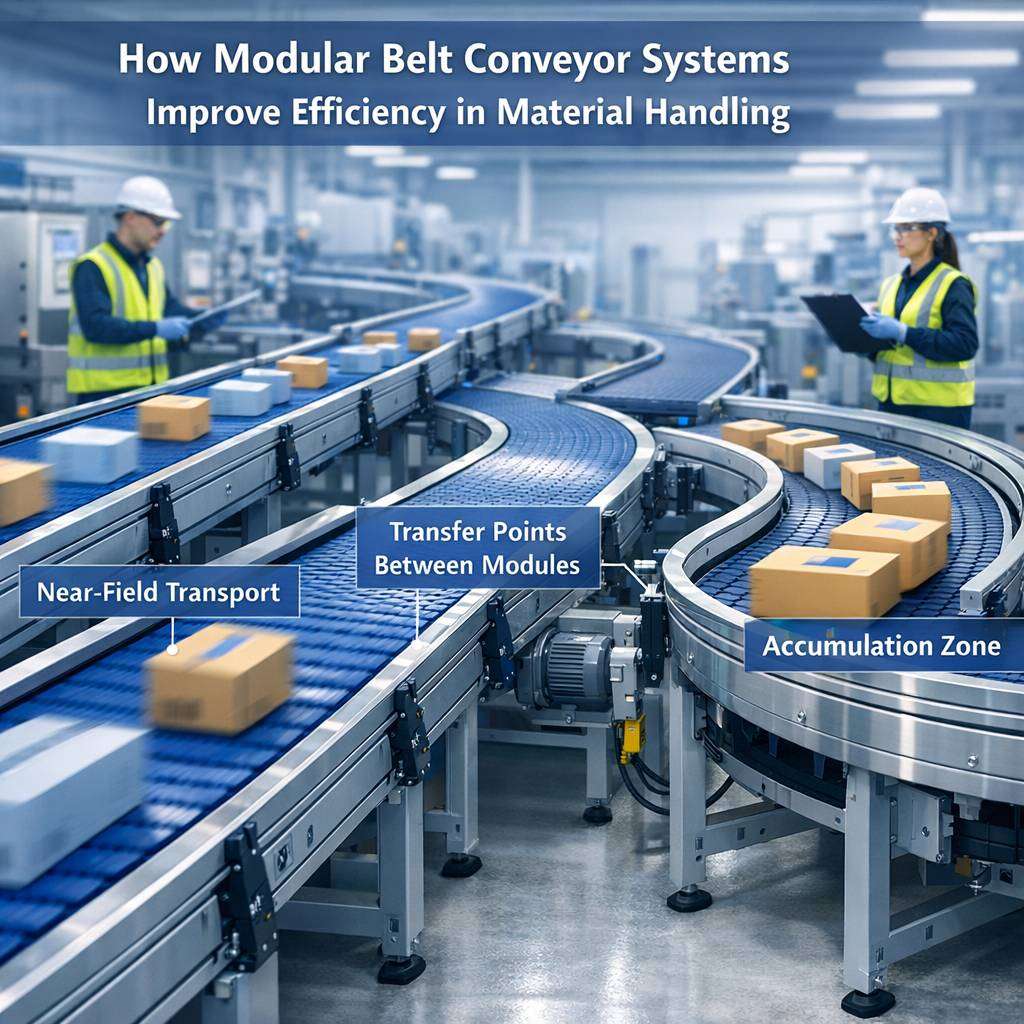
In modern material handling, efficiency is the cornerstone of productivity. Modular belt conveyor systems offer adaptable solutions that can be customised to a wide range of applications, from manufacturing lines to distribution centres. By integrating modular components, businesses can reduce downtime, simplify maintenance, and optimise throughput across diverse processes.
As a specialist in conveying technology, I have witnessed how modular belt conveyors transform operational dynamics. Their flexible design enables rapid reconfiguration for product changes, seasonal workflows, and evolving logistics requirements. This capacity to scale and adapt is particularly valuable in industries with variable throughput or evolving product mixes.
Why modular belt conveyors deliver performance gains
Modular belt conveyors are built from interconnected flat or segmented belts, conveyed by rollers, with discrete, quick-connect components. This architecture provides several tangible benefits:
- Adaptability and configurability: The modular nature supports complex layouts, including curves, inclines, and transfer points. This makes it feasible to design flows that minimise handling steps and reduce unnecessary travel distance for items.
- Reduced maintenance and downtime: Individual modules and wear components can be replaced without dismantling entire systems. This results in shorter maintenance windows and lower total cost of ownership.
- Enhanced product handling: Modular belts handle a variety of product shapes and sizes, including irregular or delicate items. For agricultural applications, agricultural belt conveyors routinely employ smooth, low-friction surfaces that minimise product damage during transport.
- Efficient cleaning and hygiene: In sectors requiring sanitary standards, modular systems can be designed for easy cleaning and washdown, supporting regulatory compliance and food safety practices.
- Energy and space optimisation: Compact layouts, integrated transfers, and powered belt options can reduce energy consumption and save floor space, contributing to leaner facilities.
Key features that drive efficiency
- Inclined belt conveyors: When a site requires vertical elevation changes, inclined belt conveyors offer controlled ascents with adjustable belt speed and tension. A well-designed incline reduces slippage and material spillage, maintaining a steady flow even with variable product loads.
- Modular belt design: The segmented belt construction allows for easy cleaning and custom surface finishes. This is particularly beneficial for handling sticky or granular materials, as the belt can be paired with matched rollers and guide profiles to minimise product build-up.
- Transfer versatility: Modular systems support a range of transfer options, including side transfer, cascading, and pedestrian-safe points. Efficient transfer reduces bottlenecks at junctions and ensures consistent throughput across the line.
- Integration with automation: Modular conveyors integrate seamlessly with sensors, collars, and guidance systems. This enables real-time monitoring, accurate sortation, and rapid auto-adjustments to line speed, improving overall cycle times.
Considerations when selecting modular belt conveyor systems
- System integration and compatibility: Engage with reputable belt conveyor suppliers and belt conveyor manufacturers near me to ensure compatibility with existing equipment and controls. A cohesive solution reduces integration risk and accelerates project delivery.
- Load profile and product handling: Assess product dimensions, weights, and handling requirements. Modular belts accommodate a wide range of products, but selecting the correct belt texture, belt tension, and roller spacing is vital to prevent slippage and damage.
- Hygiene and maintenance regimes: For sectors like food processing or agricultural handling, choose modular conveyors with appropriate food-grade materials and easy-clean designs. Regular maintenance plans help sustain performance and extend system life.
- Total cost of ownership: While modular systems may present an upfront investment, lifecycle costing typically proves advantageous through lower maintenance, reduced downtime, and greater adaptability. Compare belt conveyors for sale options from multiple belt conveyor suppliers to identify the best value proposition.
- Spare parts availability: Work with established belt conveyor manufacturers near me that maintain robust parts inventories. Ready access to modules, drives, and wear components minimises downtime when repairs are required.
Modular belt conveyor systems offer flexible, scalable material handling solutions for factories and warehouses. By combining standardized components, they reduce downtime and simplify maintenance. Explore options and expert guidance at https://conveyorrollers.co.uk to design efficient, reliable conveyors that grow with your operation, improving workflow and productivity.
Applications across industries
Modular belt conveyor systems are well-suited to a broad spectrum of material handling scenarios:
- Manufacturing lines: Standardised modules support assembly, testing, and packaging stations with interchangeable sections to accommodate process changes.
- Distribution and warehousing: Flexible layouts enable efficient pick-and-place, sorting, and pallet handling, with space-saving designs that optimise routing.
- Agricultural processing: Agricultural belt conveyors facilitate gentle handling of produce, seeds, and grains, reducing bruising and spoilage while maintaining throughput.
- Food and beverage: With hygienic choices and easy-clean configurations, modular conveyors support sanitary operations and batch control.
- E-commerce and retail fulfilment: Dynamic lines allow rapid reconfiguration to accommodate seasonal demand and product mix shifts.
Market context and procurement considerations
When evaluating options such as belt conveyors for sale or engaging a belt conveyor company for a complete solution, it is prudent to consider the full project ecosystem. Seek quotes and solutions from belt conveyor suppliers offering comprehensive service packages, including initial site surveys, design, installation, commissioning, and ongoing maintenance support. Local availability of belt conveyor manufacturers near me can shorten lead times and facilitate smoother commissioning. A well-planned procurement strategy helps ensure that the selected modular belt conveyor system aligns with safety standards, regulatory requirements, and operational goals.
In conclusion, modular belt conveyor systems offer a practical, scalable route to enhanced efficiency in material handling. Their adaptive design, combined with reliable performance and ease of maintenance, supports streamlined operations across manufacturing, warehousing, and agricultural contexts. By partnering with experienced belt conveyor suppliers and manufacturers near you, organisations can realise significant gains in throughput, uptime, and total cost of ownership.