

Artificial grass has come a long way from its early, stiffer looks. For beginners, the prospect of keeping an artificial pitch pristine can feel daunting. However, with a clear routine and the right tools, you can enjoy a lush, durable surface year-round. This guide provides practical steps, industry tips, and best practices to help you embark on a successful artificial grass maintenance journey.
Whether you are maintaining a residential lawn, a communal area, or an athletic pitch, the essential aim remains the same: keep fibres upright, manage debris, and preserve drainage. UK weather brings its own challenges, from leaf fall to wet conditions, which can obscure the look and performance of your surface. The following sections outline a straightforward approach to maintenance that suits beginners while offering insights that professional services and maintenance packages often emphasise.
What to inspect regularly
A quick visual check after rain or heavy use can prevent small issues from becoming costly repairs. Look for:
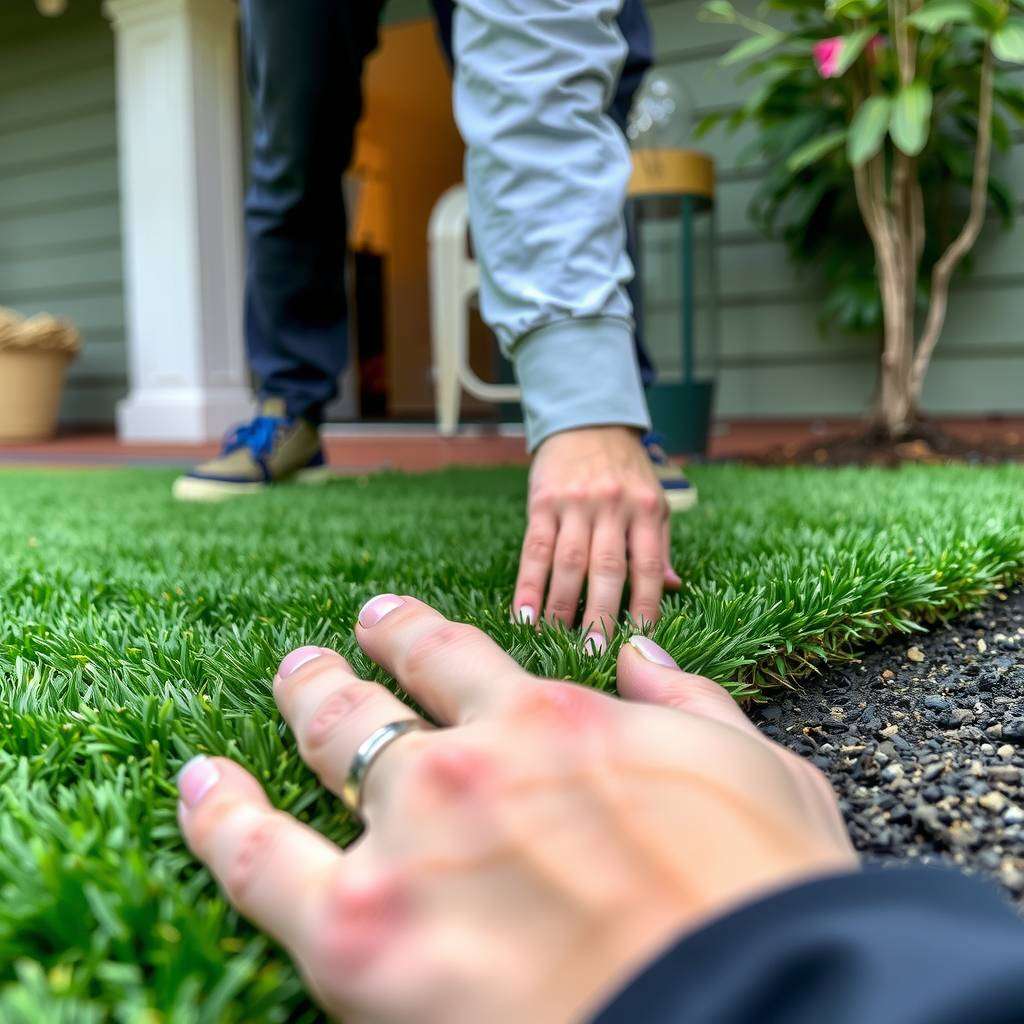
- Flat or crushed fibres in high-traffic zones; brush these back to vertical with a stiff bristle broom or a powered brush.
- Debris such as leaves, pine needles, or litter that can clog drainage channels.
- Staining or discolouration from tannin-rich debris, pet urine, or UV exposure.
- Weeds around the edges or any seam joins that appear loose or lifted.
Basic equipment you’ll want on hand
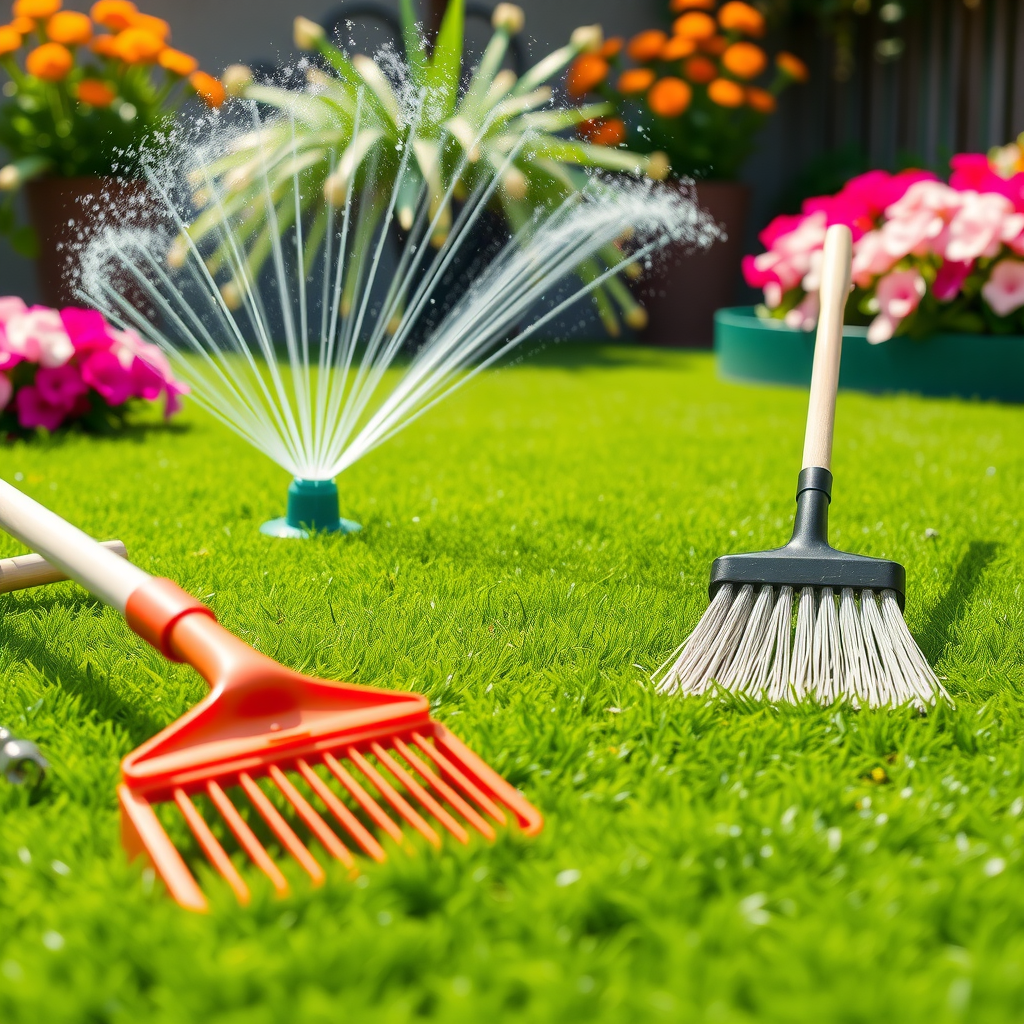
- A stiff-bristled outdoor broom or a dedicated artificial grass brush
- A leaf blower or a garden vacuum for larger gardens
- A hose with adjustable spray setting for light cleansing and rinsing
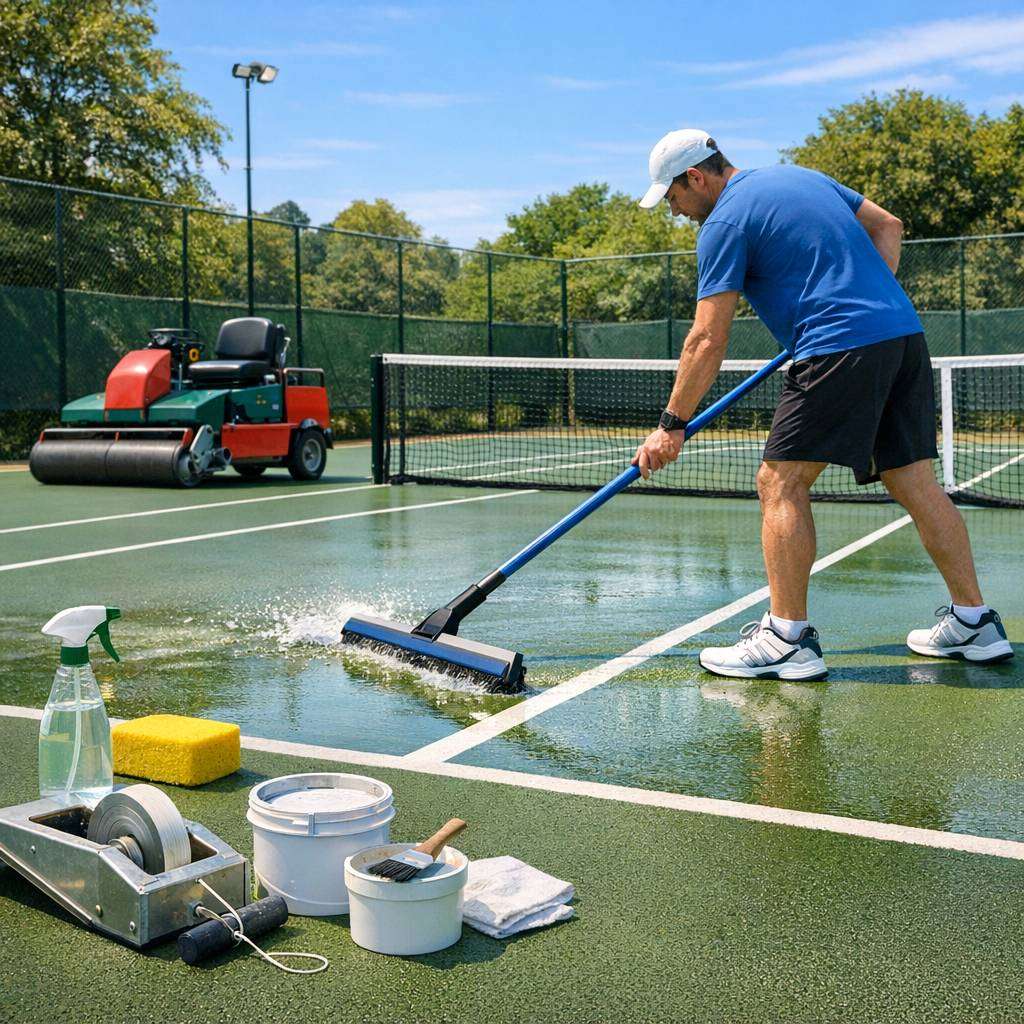
- A squeegee or push broom for wet areas (if your surface has more substantial drainage requires)
- Mild, non-alkaline cleaning products for stains (avoid high-alkaline cleaners that may degrade the fibres)
Seasonal care and routine
Spring and autumn are the times when routine maintenance becomes particularly important due to leaves, pollen, and seasonal weather shifts. In these periods, you’ll usually perform a more thorough brush to maintain fibre resilience and appearance. Summer demands attention to heat-related glare and dust, while winter requires vigilance for damp conditions and moss in shaded regions.
Cleaning and debris management
- Regular brushing: Encourage fibres to stand upright by brushing against the grain. This helps maintain a natural appearance and even wear.
- Debris removal: Clear leaves and litter weekly or as needed, especially during autumn. A leaf blower is efficient for larger areas.
- Stain treatment: For common stains, hose off with water and, if necessary, a mild detergent diluted in water. Rinse thoroughly and allow to air dry.
- Moss and algae control: In damp UK conditions, mould and algae can appear on the underside or shaded areas. Use a gentle cleaning solution and ensure thorough rinsing to prevent residue.
- Pet waste: Prompt removal and occasional hose-down help control odour and bacteria. A diluted enzyme cleaner can be useful for more persistent residues.
Weed and seam management
- Weeds: Some opportunistic weeds may grow at the edges or through gaps. Remove manually and monitor. Apply a weed suppressant suitable for artificial grass if required, and ensure it is compatible with the surface.
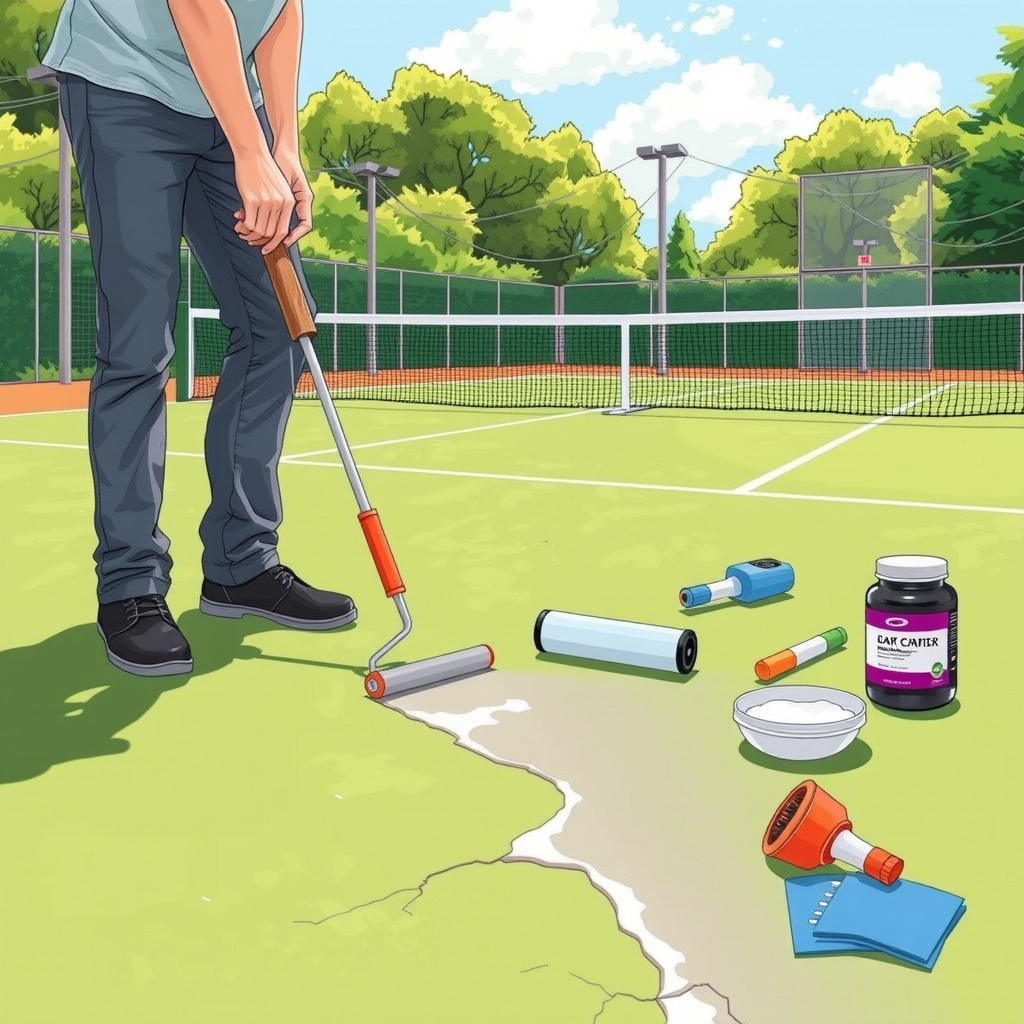
- Seams and edges: Inspect seams periodically for lifting or separation. If you notice gaps, consult your artificial grass maintenance service provider. Small repairs can often be handled with adhesive recommended by manufacturers.
Grooming for performance and longevity
- Brush against the grain regularly to prevent matting and to keep the pile looking natural.
- For sports fields, ensure line markings do not cut through the fibres; if markings fade, reapply as part of routine maintenance or as part of your maintenance package.
Drainage and drainage verification
- After heavy rain, check that surface drainage remains unobstructed. Standing water can indicate clogged infill or blocked grout channels. Lightly agitate with a broom or use a hose to dislodge any obstruction. If drainage is consistently poor, a professional assessment may be necessary.
Artificial grass maintenance packages and services
- Consider a tailored maintenance package for your surface. A typical artificial grass maintenance package may include scheduled brushing, debris removal, spot cleaning, and periodic weed control.
- For commercial or higher-use surfaces, a maintenance service can provide more frequent inspections, stain protection, and moss/algae prevention strategies.
- If you search for “artificial grass maintenance near me” or “artificial grass maintenance uk” you will often find local specialists offering seasonal or annual plans designed to suit your surface type, usage level, and climate conditions.
- A well-designed maintenance plan helps preserve warranty terms and ensures consistent appearance and playability.
Products and safety considerations
- Use cleaners specifically formulated for artificial grass, avoiding harsh solvents and high-alkaline solutions that may degrade tufting glue or infill.
- Test any cleaner on a small inconspicuous area before broader application.
- Ensure that any infill remains evenly distributed. For hybrid surfaces, consult the manufacturer’s guidelines on infill replenishment and maintenance.
Troubleshooting quick reference
- Fibres lay flat after rain: Brush to lift fibres; consider brush pressure and technique as well as frequency.
- Persistent odour: Clean with an appropriate enzyme-based product and rinse thoroughly.
- Uneven colours or patchy wear: Check for drainage issues, high-traffic zones, or sun exposure; rebrushing and infill adjustment may help.
- Visible seams rising: Avoid additional stress on seams; contact a maintenance professional if the issue persists.
Building a maintenance routine that lasts
- Start with a simple weekly check: remove debris, brush fibres, and inspect edges.
- Implement a monthly deeper clean: a thorough brush, targeted stain treatment, and drainage check.
- Schedule seasonal assessments: align with autumn leaf fall and winter dampness for proactive care.
Choosing the right partner
- If you are seeking consistency and professional assurance, a dedicated artificial grass maintenance service can provide expert advice, on-site assessments, and customised care plans.
- When evaluating providers, ask about response times for urgent issues, availability of emergency services after heavy weather, and whether they offer a maintenance package that includes residual warranties or guarantees.
This guide equips beginners with the essentials to maintain artificial grass effectively. With the right approach and a dependable maintenance plan, you can enjoy long-lasting aesthetics and performance across residential lawns, athletic pitches, and community spaces alike.
Maintenance of artificial grass is essential for longevity and pristine appearance. Regular brushing, debris removal, and periodic washing help prevent matting and odor buildup. In hotter climates, ensure proper drainage and avoid heavy weights on the surface. For detailed guidance, visit the resources at https://texasbackyardliving.com/tips-for-artificial-turf-maintenance/. Consistent upkeep, professional inspections, and prompt stain treatment keep artificial lawns looking green year-round.
Maintaining aesthetics and longevity is essential for high-quality artificial grass. Regular upkeep reduces wear, prevents odors, and preserves color. Efficient maintenance involves brushing to restore pile, removing debris, and periodic rinsing. For seasonal guidance on care, see the detailed resource on autumn maintenance. https://dfwturf.com/artificial-grass-maintenance-for-autumn/
Maintaining a pristine lawn starts with proper maintenance of artificial grass. Regular brushing, clearing debris, and periodic rinsing keep fibers upright and colors vibrant. Use infrequent jet-wash boosts and avoid harsh chemicals to extend longevity. For expert guidance, visit maintenance of artificial grass and follow industry-approved care routines. Your synthetic turf will look flawless year-round.