

Belt conveyors are an essential part of material handling systems across various industries, including manufacturing, mining, construction, and warehousing. Selecting the right type of belt conveyor can significantly affect operational efficiency, productivity, and maintenance costs. In this article, we will explore the key factors to consider when choosing a belt conveyor, taking into account the diverse applications and available types.
1. Understanding Your Material Handling Needs
Before diving into the specifics of belt conveyors, it is crucial to assess your material handling requirements. Different materials vary in weight, size, and fragility, which can influence the type of conveyor you choose. For instance, heavy-duty belt conveyors are designed to handle substantial loads, making them appropriate for industries that deal with heavy materials such as aggregate or automotive parts. Conversely, if you are handling lighter products, a flat belt conveyor may be more suitable.
Additionally, consider the flow of materials. Will your application require inclined or horizontal movement? Inclined belt conveyors are engineered to transport materials at a slope, making them ideal for elevating products between different levels in warehouses or production facilities.
2. Conveyor Design and Configuration
The design and configuration of the conveyor system play a pivotal role in its performance. Various designs cater to specific needs and the available space in your facility. When examining conveyor systems, here are some key design elements to consider:
a. Modular Belt Conveyor Systems
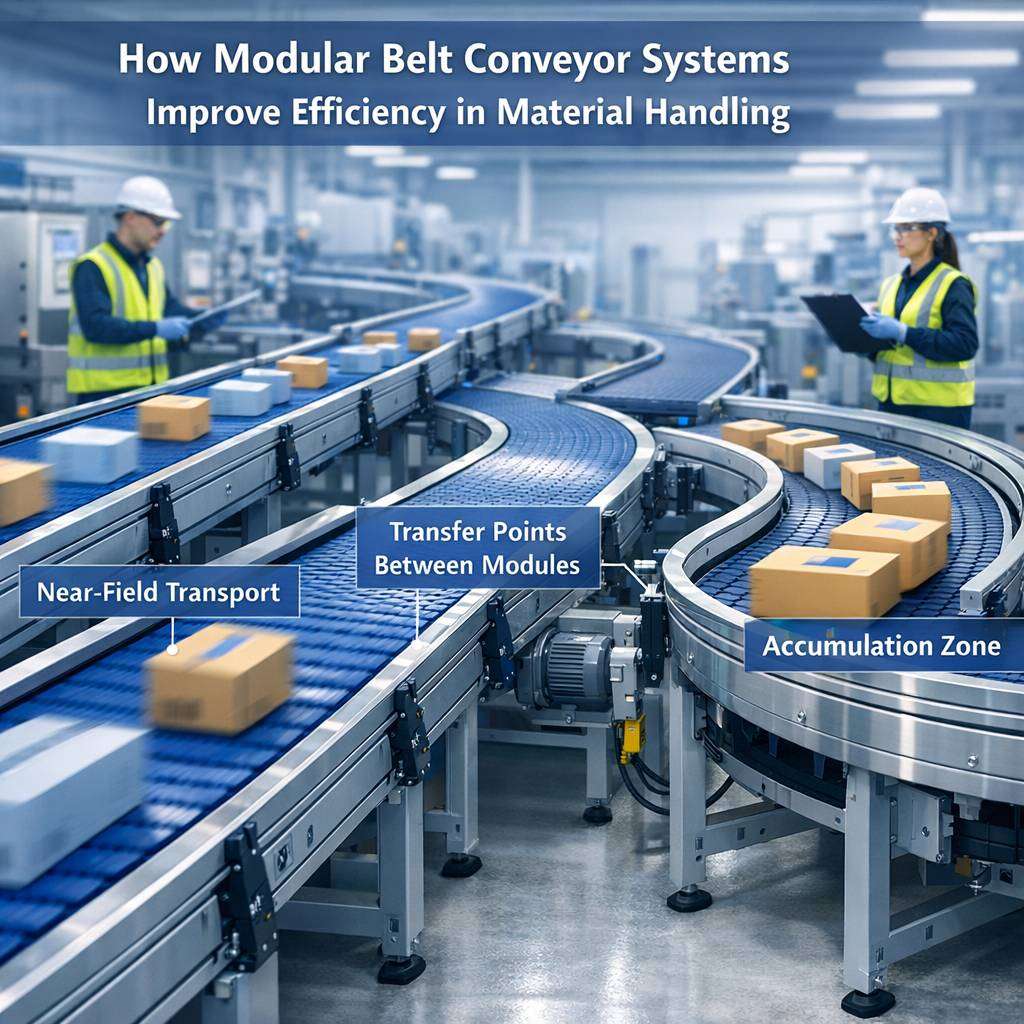
Modular belt conveyor systems offer flexibility in configuration and are known for their easy maintenance and adaptability. Comprised of interlocking plastic segments, these systems can be designed to fit various layouts. If your operation requires frequent changes in product size or conveyor layout, a modular belt conveyor might be the best choice.
b. Powered Belt Conveyors
Powered belt conveyors, often equipped with a drive system, provide a significant advantage by ensuring consistent movement of materials, even when the load is uneven or fluctuating. This type is especially beneficial in environments where gravity-based movement would be insufficient, such as steep angles or long distances.
3. Load Capacity and Speed
The load capacity and speed specifications are fundamental factors when selecting a belt conveyor. Each type of conveyor is designed to handle specific load sizes. Heavy-duty belt conveyors, for instance, feature reinforced structures to support heavier loads, while more lightweight options cater to smaller items.
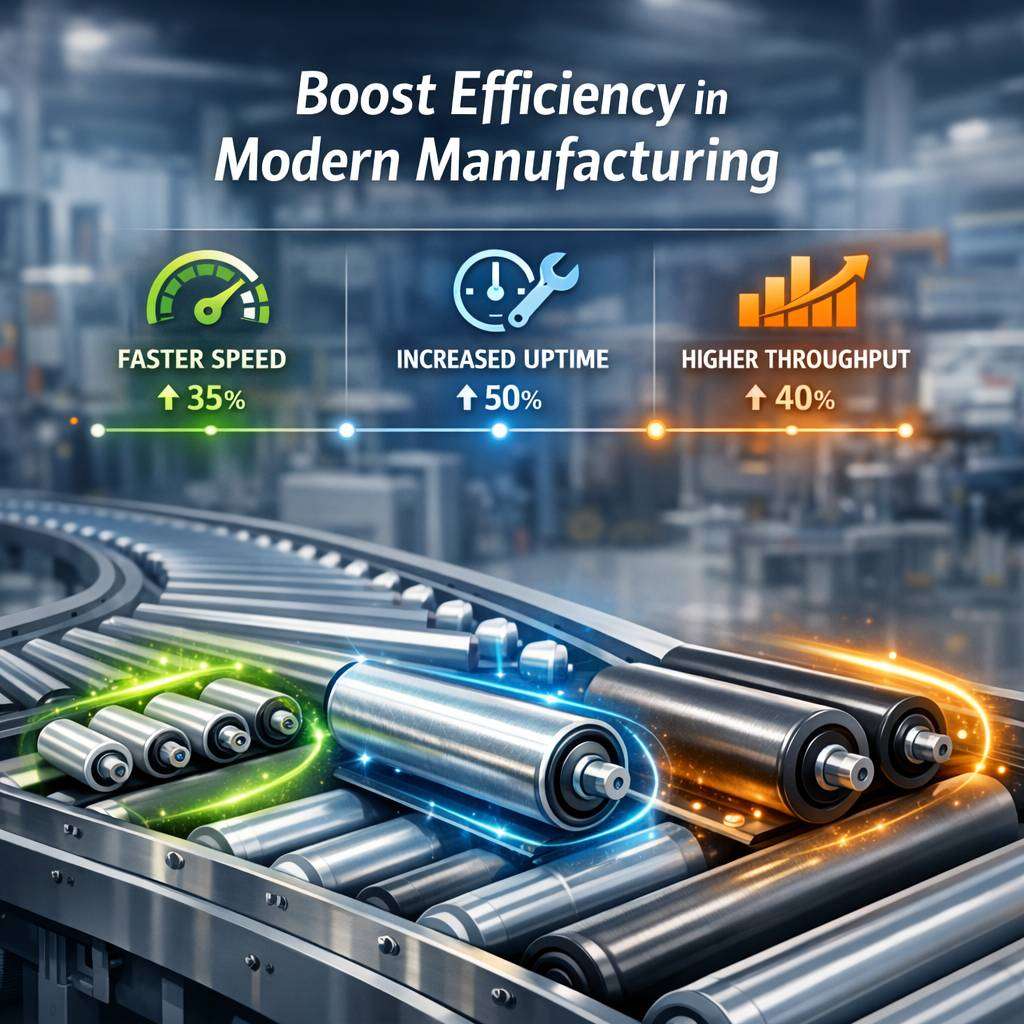
Moreover, the speed requirement should be aligned with your production goals. Faster operations may necessitate higher-speed conveyors, while slower processing times might be acceptable for quality control processes where careful handling is crucial. It’s important to strike a balance between speed, load capacity, and the longevity of the conveyor equipment.
4. Environmental Considerations
The environment in which the conveyor system operates will greatly influence your selection. Various factors, such as temperature extremes, humidity, dust, and exposure to chemicals, can affect the durability and life span of the conveyor. For instance:
a. Temperature and Humidity
If your materials or processes are subject to extreme heat or cold, you must select materials for the conveyor that can withstand these conditions. Certain belt materials perform better in high-temperature applications compared to others. On the other hand, if your conveyor will operate in a humid environment, ensure that the selected materials are resistant to corrosion or degradation.
b. Hygiene and Cleanability
In food processing or pharmaceutical applications, the hygiene aspect is vital. The choice of belt conveyor should make cleaning easy and effective to ensure compliance with health regulations. This consideration may lead you to invest in modular belt conveyor systems that allow for simple disassembly and thorough cleaning.
5. Selecting the Right Suppliers
When it comes to belt conveyors for sale, choosing reputable belt conveyor suppliers can impact the quality and efficiency of your system. Due diligence in researching suppliers can lead to long-term partnerships that provide not just equipment, but also invaluable support, maintenance services, and insights.
Seek suppliers with proven track records and positive customer feedback. They should offer a variety of conveyor types, including inclined, modular, and powered conveyor options to cater to your specific needs. Furthermore, consider their after-sales service and warranty policies, which can offer peace of mind and flexibility when maintenance issues arise.
In summary, selecting the right belt conveyor involves a careful assessment of your material handling requirements, understanding the design and configuration options available, evaluating load capacities and environmental factors, and partnering with reliable suppliers. Each step in this process is vital in ensuring an efficient and effective conveyor system tailored to meet your operational needs.
A belt conveyor is an essential piece of equipment in various industries, designed to transport materials efficiently. Its continuous belt system minimizes manual handling and enhances productivity. To explore a wide range of high-quality belt conveyors, visit www.conveyorrollers.co.uk. Whether you’re dealing with bulk materials or packaged goods, using a reliable belt conveyor can significantly streamline your operations and improve overall workflow.
A belt conveyor is an essential component in various industries, efficiently transporting materials over distances. Its reliable design minimizes downtime and enhances productivity. For more information on the latest models and specifications, visit https://conveyorrollers.co.uk and explore solutions tailored to your operational needs.