

In an increasingly automated world, the choice of equipment can make a significant difference in the efficiency and productivity of your operations. Among the plethora of equipment available, conveyors stand out as a vital component for businesses aiming to streamline their material handling processes. This comprehensive guide aims to equip you with the knowledge necessary to select the right conveyor system tailored to your unique business needs.
Understanding the various types of conveyors and their functionalities is critical. This guide will explore not only the types available but also the factors you should consider when making your selection. From environmental conditions to product characteristics, each element plays a crucial role in determining the optimal conveyor for your operations.
Types of Conveyors
Conveyors exist in various forms, each designed to meet specific needs. Here are some of the most common types:
Belt Conveyors
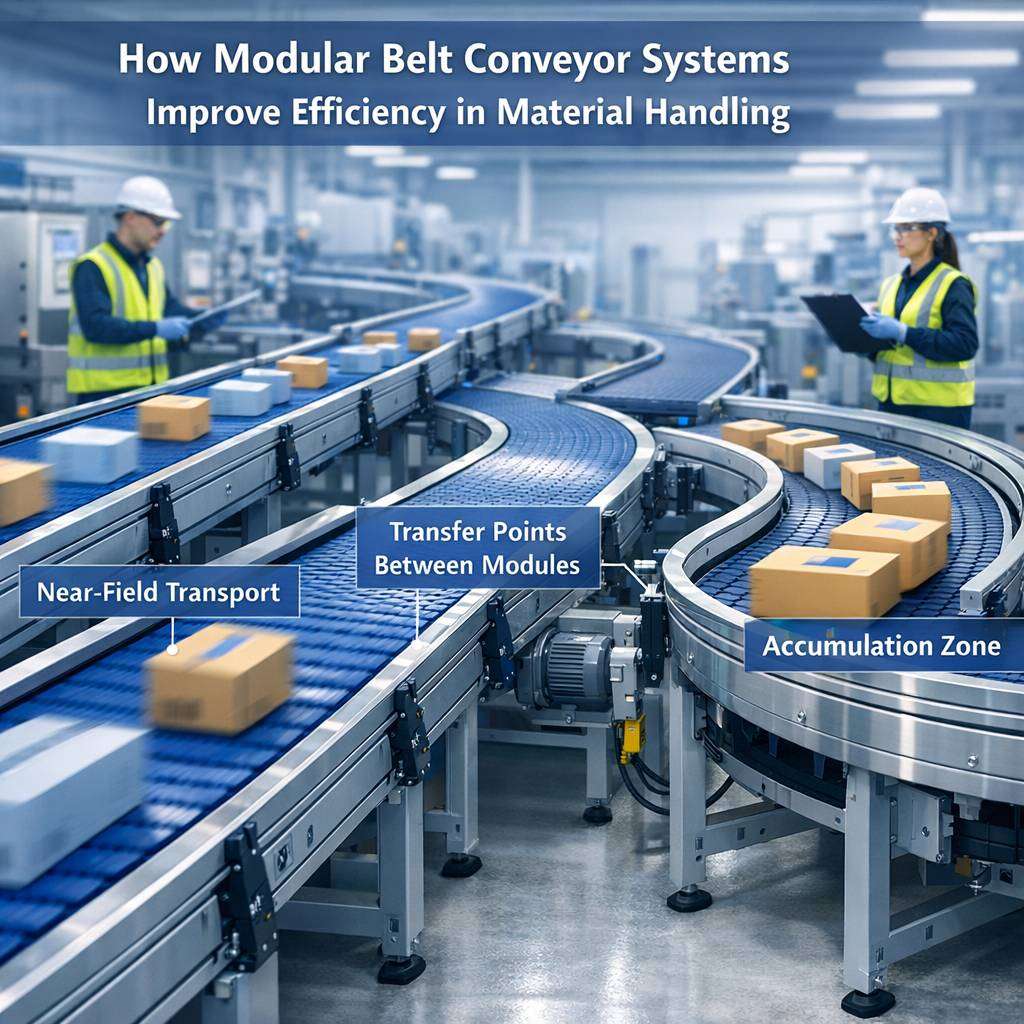
Belt conveyors are one of the most versatile and widely used systems. They consist of a continuous loop of material that moves goods from one location to another. The design is simple yet effective, allowing for the transportation of various products across different distances and elevations.
Roller Conveyors
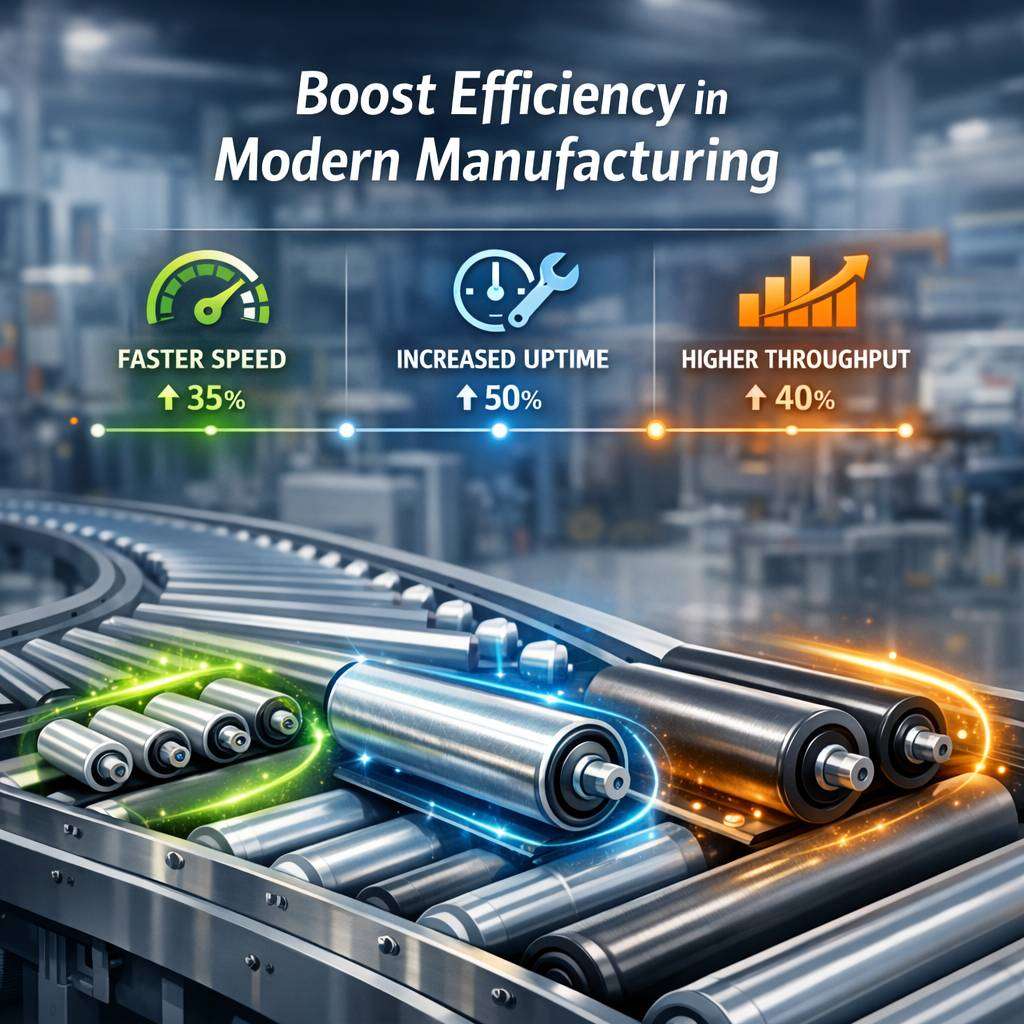
Roller conveyors are particularly useful for moving heavy items. These systems feature a series of rollers on which goods are placed, allowing gravity to aid in the movement. They are generally used in warehouse settings where items need to be transported over short distances.
Chain Conveyors
Chain conveyors utilise a chain-driven mechanism to move products, making them ideal for heavy loads and tasks requiring substantial lifting. Their robust design and ability to operate in challenging environments make them suitable for industries such as automotive and manufacturing.
Screw Conveyors
Screw conveyors are designed for the transportation of bulk materials. This type of conveyor employs a helical screw that rotates within a tube, pushing the material along the length of the conveyor. Their enclosed design makes them perfect for handling flowable bulk materials, like granules or powders.
Factors to Consider When Selecting Conveyors
Selecting the right conveyor is not merely a matter of preference; it requires a careful analysis of various factors that pertain to your specific operations.
Load Requirements
The load capacity is a critical consideration when choosing a conveyor system. Assess the weight and size of the products you intend to transport. Overloading a conveyor can lead to mechanical failures and increased maintenance costs, making it essential to match the conveyor’s specifications with your operational needs.
Speed and Efficiency
Different conveyor systems operate at varying speeds. The required speed will depend on the nature of your production line and how quickly you need products transported. An efficient conveyor should not only meet the speed requirements but also ensure a smooth and safe transfer of goods.
Environment and Conditions
The environment in which the conveyor will operate plays a pivotal role in its selection. Factors such as temperature, humidity, and the presence of corrosive substances should be considered. For example, stainless steel conveyors are often used in food and pharmaceutical industries where hygiene is essential.
Conveyor Systems Integration
An efficient conveyor system must integrate seamlessly with other components of your operational workflow. Understanding how different conveyors can work together can enhance productivity.
FAQ About Conveyors
What is a conveyor?
A conveyor is a mechanical device used to transport materials from one location to another within a facility. It consists of various components such as belts, rollers, and pulleys that work together to move items efficiently along a predetermined path.
How do conveyors work?
Conveyors operate by using motors to move the belt or material over rollers. The motion can be continuous or incremental, depending on the design and function of the conveyor system. Additionally, conveyors can incorporate different types of mechanisms, such as gravity systems or powered units, to facilitate movement.
What are the different types of conveyors?
There are several types of conveyors designed for specific applications including:
- Belt Conveyors: Use belts made from fabric or rubber.
- Roller Conveyors: Utilise rollers placed at intervals for transporting goods.
- Chain Conveyors: Use chains for moving heavy items.
- Screw Conveyors: Employ helical screws for moving bulk materials.
- Pneumatic Conveyors: Transfer materials through air pressure.
What industries commonly use conveyors?
Conveyors are widely used in industries such as:
- Manufacturing
- Warehousing and distribution
- Food processing
- Pharmaceutical production
- Mining
These systems enhance productivity by streamlining material handling processes.
How can I choose the right conveyor for my needs?
To select the appropriate conveyor system, consider factors like:
- Type of material being transported (size, weight).
- Distance over which it needs to be moved.
- The layout and available space in your facility.
- Speed requirements necessary for optimal operation.
- Environmental conditions (temperature, exposure to elements).
Consulting with a conveyor system expert can also help you determine your best option.
What maintenance do conveyors require?
Routine maintenance is essential for ensuring longevity and efficient operation of conveyors. Regular tasks may include:
- Inspecting belts and other components for wear and tear
- Lubricating moving parts
- Checking alignment and tension settings
- Cleaning debris that may impact performance
Implementing a regular maintenance schedule will prevent unexpected downtime.
Can I automate my existing conveyor system?
Yes! Many existing conveyor systems can be upgraded with automation technologies such as sensors and control systems that allow integration with machinery like sorters or robots. This enhances efficiency by creating seamless workflows without manual intervention.
Where can I purchase or rent conveyors?
You can purchase or rent conveyors from industrial equipment suppliers who specialise in material handling solutions. Researching reputable manufacturers online or consulting industry contacts may provide reliable options tailored specifically to your requirements.
If you have more specific questions regarding conveyance solutions not covered here, feel free to reach out!
Compatibility with Existing Systems
Before selecting a conveyor system, assess how it will integrate with your existing equipment. Compatibility with other machinery or conveyor types can significantly impact efficiency and streamline processes.
Automation Potential
If your business is considering implementing automated solutions, ensure that the conveyor system you select is compatible with automation technologies. Automated conveyors can facilitate improved tracking, loading, and unloading processes while reducing human error.
Maintenance and Upkeep
The longevity of a conveyor system is heavily influenced by proper maintenance. Understanding the maintenance requirements of different conveyor types will help you determine the best option for your business.
Routine Inspections
Establish a regular inspection schedule for your conveyor system to identify potential issues before they escalate. Early detection can prevent costly downtime and extend the life of the equipment.
Spare Parts Availability
Selecting a conveyor system that offers easy access to spare parts will save you time and money in the long run. Investigate the manufacturer’s reputation regarding parts availability and support, ensuring that you can quickly address any issues that arise.
Budget Considerations
Finally, your budget will play a significant role in the type of conveyor system you select. However, it is important to assess not only the initial cost but also the total cost of ownership, which includes maintenance, operational energy consumption, and potential downtime.
Conveyors play a crucial role in modern manufacturing and logistics, enabling efficient movement of materials across various stages of production. Their design can significantly impact productivity and workplace safety. Different types of conveyors, such as belt, roller, and chain conveyors, cater to specific needs and applications. For more information on the best conveyor solutions, visit https://conveyorrollers.co.uk. Optimize your processes with the right conveyor system today!
Total Cost of Ownership
When calculating the total cost, consider factors such as durability, maintenance requirements, and energy efficiency. A seemingly more expensive conveyor may offer savings in the long run due to lower operating costs and increased reliability.
By carefully weighing these considerations, your business will be better prepared to choose the right conveyor system that meets its unique operational needs and ultimately contributes to increased efficiency and profitability.