

When it comes to construction and excavation projects, few pieces of plant machinery are as versatile and indispensable as excavators. Available in a variety of sizes and configurations, excavators are essential for a range of applications, from digging and grading to demolition and material handling. In today’s market, there is a robust selection of excavators for sale, including both new and used options. Understanding the features and benefits of these machines can help you make an informed decision that suits your specific needs.
This guide delves into the key characteristics that set different models apart and explores the advantages of both new and second-hand excavators. Whether you are considering investing in a hefty new model or looking for a cost-effective solution in a used mini excavator, knowing what features to prioritise will ensure your purchase or rental aligns with your project requirements.
Understanding Different Types of Excavators
Excavators come in various types, each designed for specific tasks. The most common categories include:
-
Standard Excavators: These machines are typically equipped with a rotating platform, making them suitable for a wide range of applications. Their larger size allows for heavy workloads and is often used on larger construction sites.
-
Mini Excavators: Known for their compact size, mini excavators are ideal for smaller jobs or projects in confined spaces. Despite their size, they offer powerful digging capabilities and ease of manoeuvrability, making them a popular choice for residential projects.
-
Crawler Excavators: These excavators feature tracks instead of wheels, providing excellent stability and traction on uneven terrain. They are often used in heavy-duty applications and are equipped to handle larger loads.
-
Wheeled Excavators: With wheels instead of tracks, these excavators offer higher travelling speeds and the ability to navigate urban environments more efficiently. They work well on smooth surfaces and can be more versatile in certain situations.
Standard Excavators: These machines are typically equipped with a rotating platform, making them suitable for a wide range of applications. Their larger size allows for heavy workloads and is often used on larger construction sites.
Mini Excavators: Known for their compact size, mini excavators are ideal for smaller jobs or projects in confined spaces. Despite their size, they offer powerful digging capabilities and ease of manoeuvrability, making them a popular choice for residential projects.
Crawler Excavators: These excavators feature tracks instead of wheels, providing excellent stability and traction on uneven terrain. They are often used in heavy-duty applications and are equipped to handle larger loads.
Wheeled Excavators: With wheels instead of tracks, these excavators offer higher travelling speeds and the ability to navigate urban environments more efficiently. They work well on smooth surfaces and can be more versatile in certain situations.
Key Features to Consider
When evaluating excavators for sale, there are several important features to consider:
-
Digging Depth and Reach: The maximum digging depth and reach of an excavator are crucial for determining how effectively it can accomplish your project tasks. Larger excavators typically have deeper digging capabilities, but mini excavators are still capable of performing well in many scenarios.
-
Operating Weight: The operating weight of the excavator impacts its stability, fuel efficiency, and ease of transport. Lighter machines may be easier to transport and ideal for smaller jobs, while heavier machines provide more power and stability for larger projects.
-
Engine Power: The horsepower of the excavator’s engine directly affects its performance. Higher horsepower allows for more demanding jobs, including lifting heavy materials and operating a variety of attachments.
-
Hydraulic System: A robust hydraulic system is vital for excavators to maximise their digging and lifting capabilities. Understanding the flow rate and pressure of the hydraulic system will help you assess the machine’s efficiency and overall performance.
-
Attachments Compatibility: Excavators can utilise a variety of attachments, such as buckets, breakers, and augers, which enhance their versatility. Consider whether the excavator you are interested in supports the attachments necessary for your project.
Digging Depth and Reach: The maximum digging depth and reach of an excavator are crucial for determining how effectively it can accomplish your project tasks. Larger excavators typically have deeper digging capabilities, but mini excavators are still capable of performing well in many scenarios.
Operating Weight: The operating weight of the excavator impacts its stability, fuel efficiency, and ease of transport. Lighter machines may be easier to transport and ideal for smaller jobs, while heavier machines provide more power and stability for larger projects.
Engine Power: The horsepower of the excavator’s engine directly affects its performance. Higher horsepower allows for more demanding jobs, including lifting heavy materials and operating a variety of attachments.
Hydraulic System: A robust hydraulic system is vital for excavators to maximise their digging and lifting capabilities. Understanding the flow rate and pressure of the hydraulic system will help you assess the machine’s efficiency and overall performance.
Attachments Compatibility: Excavators can utilise a variety of attachments, such as buckets, breakers, and augers, which enhance their versatility. Consider whether the excavator you are interested in supports the attachments necessary for your project.
Benefits of Buying New vs. Used Excavators
Acquiring plant machinery invariably involves making choices between new and used options. Both come with distinct advantages that can align with your operational strategies.
Advantages of New Excavators
Investing in a new excavator typically means acquiring a machine with the latest technology and features. You’ll benefit from:
-
Warranty and Support: New excavators come with manufacturer warranties that provide peace of mind regarding repairs, maintenance, and potential defects.
-
Extended Lifespan: The newest models are designed for long-term use, ensuring you have a reliable piece of equipment that can perform efficiently for many years.
-
Customisation Options: Many manufacturers offer customisation options for new excavators, allowing you to tailor the machine to better fit your specific project requirements.
Warranty and Support: New excavators come with manufacturer warranties that provide peace of mind regarding repairs, maintenance, and potential defects.
Extended Lifespan: The newest models are designed for long-term use, ensuring you have a reliable piece of equipment that can perform efficiently for many years.
Customisation Options: Many manufacturers offer customisation options for new excavators, allowing you to tailor the machine to better fit your specific project requirements.
Looking for excavators for sale? Discover our extensive range of high-quality excavators designed to meet your construction needs. Whether you’re tackling a small project or a large-scale operation, our machines provide the reliability and power necessary to get the job done efficiently. Explore options that suit every budget and requirement. With competitive pricing and exceptional customer support, we’re here to help you make the best choice. Visit us now at https://www.sjhallplant.com!
Advantages of Used Excavators
On the other hand, purchasing a second hand excavator, such as a used mini excavator, can provide significant financial benefits:
-
Cost-effectiveness: Used machines are generally more affordable than new ones, making them a wise option for businesses looking to manage project budgets effectively.
-
Depreciation: New equipment depreciates quickly, while used excavators have already undergone the bulk of their depreciation, which can mean a better return on investment.
-
Immediate Availability: Used excavators can often be acquired faster than new ones, offering a solution for urgent projects where immediate access to equipment is necessary.
Cost-effectiveness: Used machines are generally more affordable than new ones, making them a wise option for businesses looking to manage project budgets effectively.
Depreciation: New equipment depreciates quickly, while used excavators have already undergone the bulk of their depreciation, which can mean a better return on investment.
Immediate Availability: Used excavators can often be acquired faster than new ones, offering a solution for urgent projects where immediate access to equipment is necessary.
Maintenance and Operating Considerations
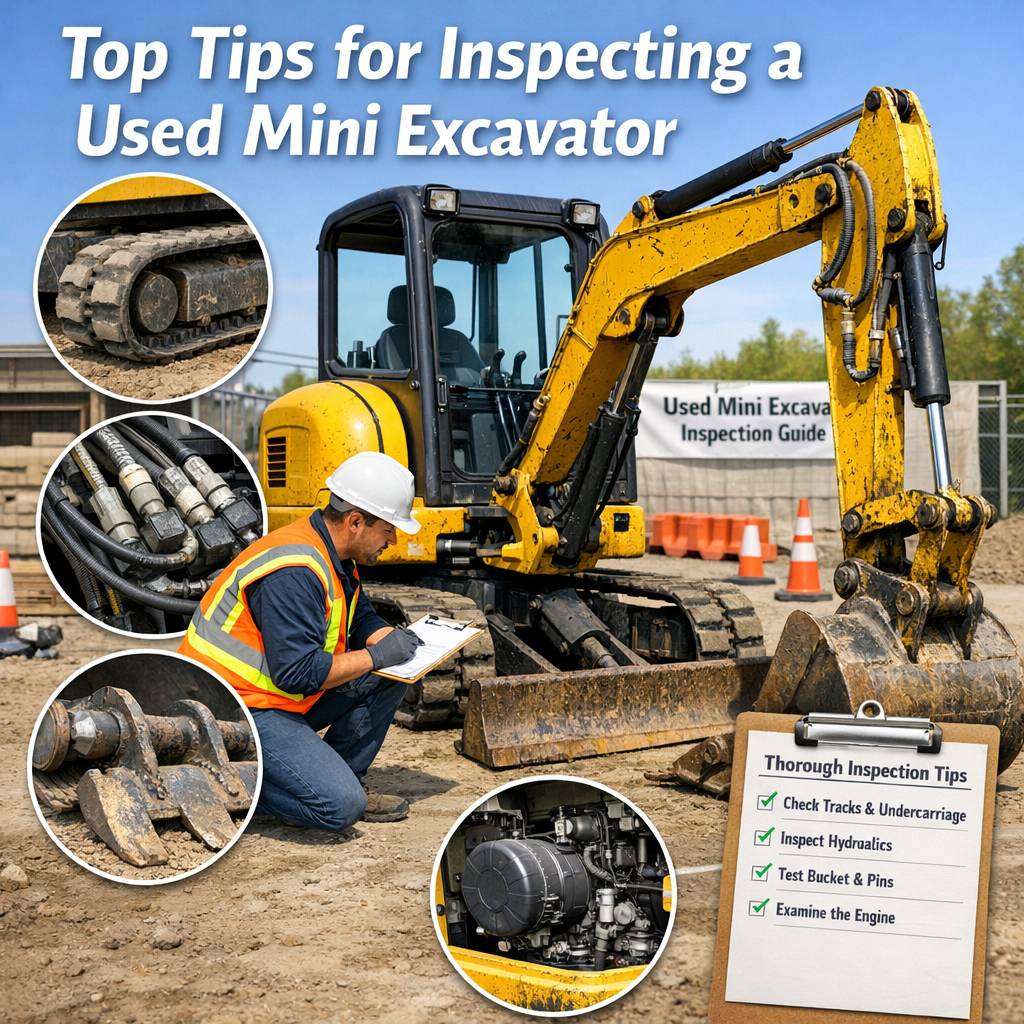
Regardless of whether you choose a new or second hand excavator, maintaining it correctly is vital for ensuring longevity and optimal performance. Regular servicing, including hydraulic fluid changes, oil checks, and filter replacements, will keep the machine working efficiently. Furthermore, regular inspections can help identify potential issues before they lead to costly repairs.
Selecting the right excavator for your construction needs can profoundly impact project efficiency and productivity. By understanding the different types available, assessing their features, and weighing the advantages of purchasing new versus used machinery, you can make a well-informed decision that aligns with your operational objectives.