

Architectural glazing plays a pivotal role in the modern built environment, combining aesthetics with performance to create spaces that are bright, energy-efficient, and comfortable. This guide, written from an expert perspective, explores the main types of architectural glazing products, their benefits, and common applications. It also highlights considerations when choosing an architectural glazing company to ensure your project meets both design intent and regulatory requirements.
Types of architectural glazing products
Architectural glazing products come in a wide range of formulations, each tailored to specific performance criteria and design goals. The following categories represent the core options you are likely to encounter.
-
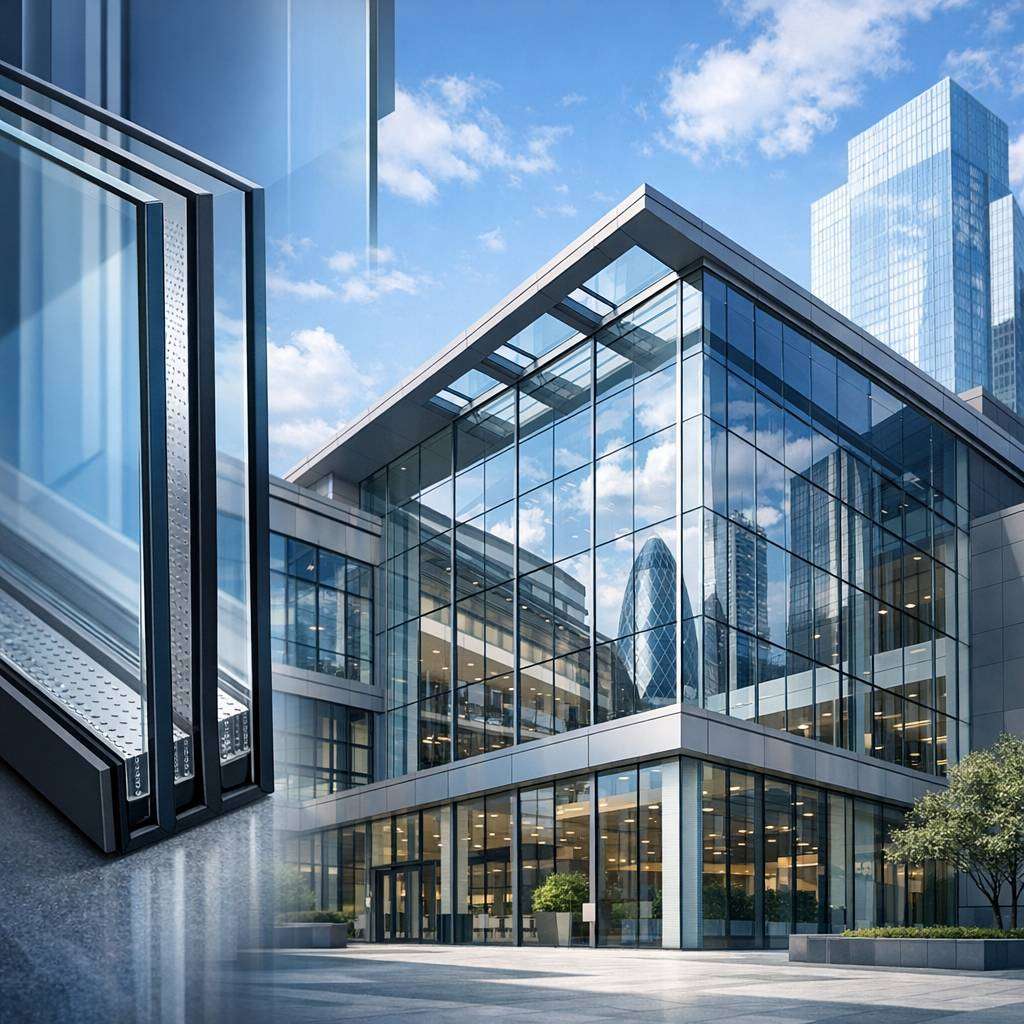
Glazed curtain wall systems: These are non-load-bearing façades that feature large expanses of glazing framed by aluminium or steel profiles. Curtain walls offer excellent natural daylight, flexibility in layout, and the ability to achieve seamless exterior aesthetics. They are widely used in commercial and high-rise developments and can incorporate a variety of glazing types, including insulated units for thermal performance.
-
Insulated glazing units (IGUs): An IGU consists of two or more glass panes separated by a spacer and sealed to create an air or gas-filled cavity. This configuration enhances thermal performance, reduces condensation, and can incorporate low-emissivity coatings for improved energy efficiency. IGUs are common in windows, doors, and façades across many building types.
-
Low-emissivity (Low-E) coatings: Low-E coatings reflect infrared heat while allowing visible light to pass through. By reducing heat transfer, these coatings help manage solar gain in hot climates and retain heat in cooler periods. Low-E technology can be applied to various glazing products, including IGUs and insulated glass units (IGUs with a single pane).
-
Solar control glazing: This category includes glazing designed to modulate solar radiation, reduce glare, and protect interiors from fading. Options range from tinted and reflective coatings to advanced dynamic glazing that adjusts properties in response to lighting conditions.
-
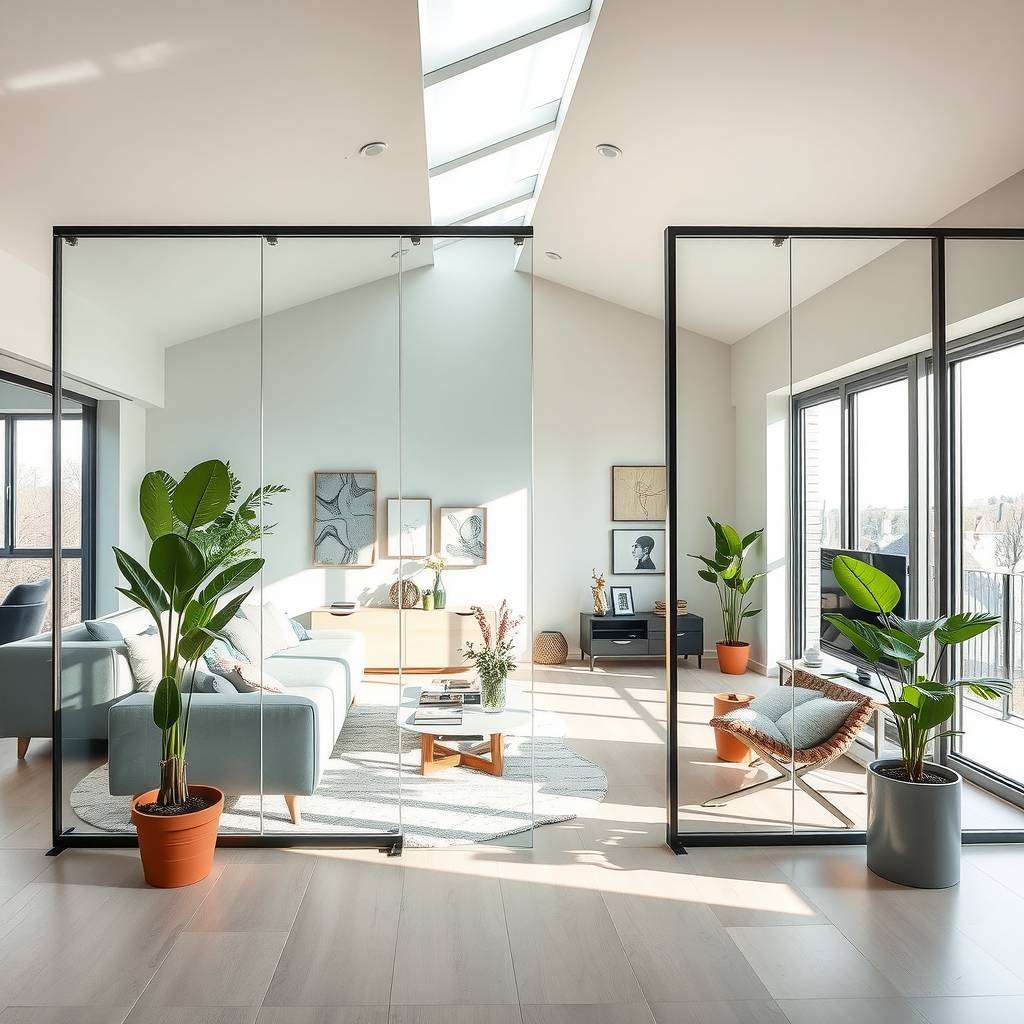
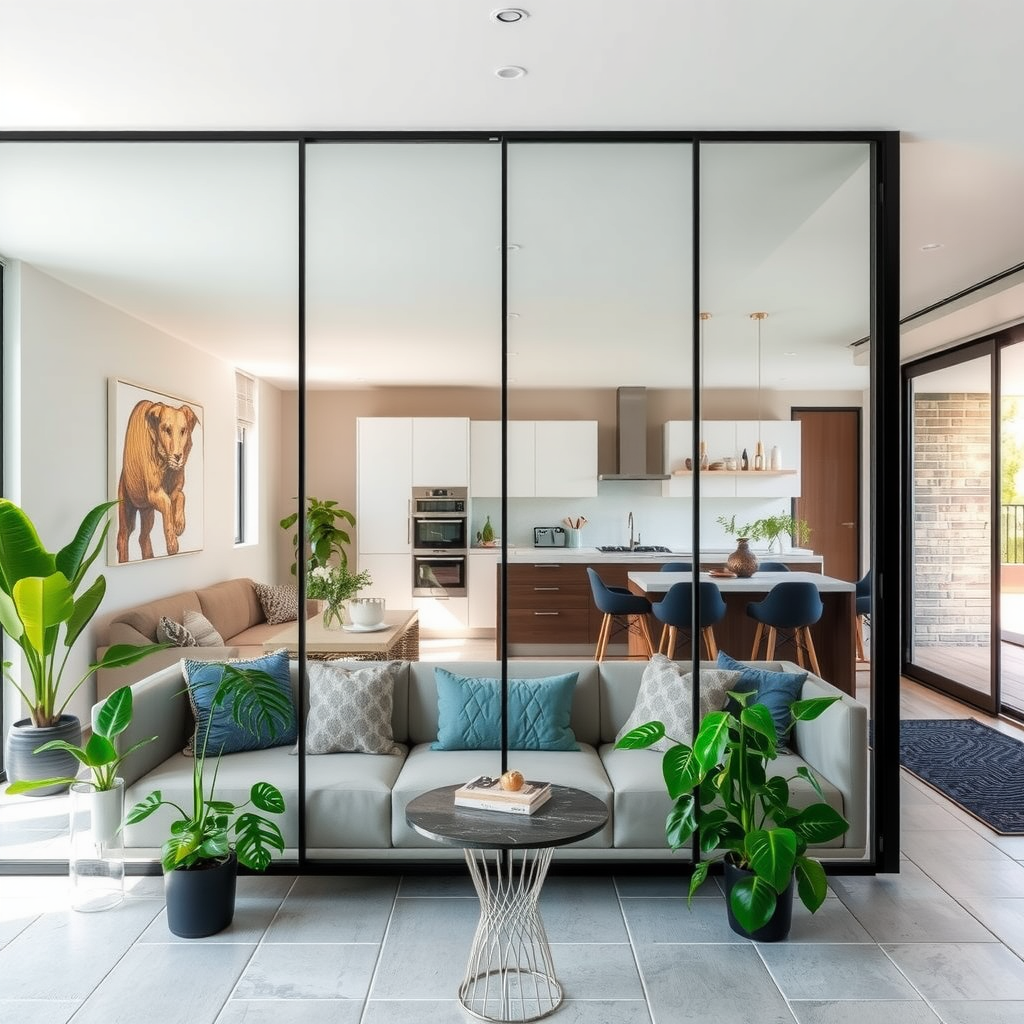
Laminated glazing: Laminated glass combines layers of glass with interlayers such as polyvinyl butyral (PVB) or ethylene-vinyl acetate (EVA). This provides enhanced security (shatter resistance), acoustic attenuation, and light diffusion. It is frequently used in façades, skylights, and interior partitions where safety or noise control is paramount.
-
Tempered glass: Tempered glass is heat-treated to improve strength and safety. When broken, it fragments into small, less dangerous pieces. It is commonly used in doors, panels, and edge protections where higher impact resistance is required.
-
Float glass and coated glass: Traditional float glass forms the base for most glazing products, while coatings—such as ceramic, metallic, or oxide-based layers—improve performance characteristics like colour stability, weather resistance, and solar control.
-
Structural silicone glazing: This method attaches glass to a building using silicone sealants instead of mechanical fasteners, creating a clean, uninterrupted glass plane. It is ideal for contemporary façades requiring minimal visible framework and superior weather sealing.
-
Glass fins, spandrel panels, and unitised systems: These components contribute to the versatility of architectural glazing solutions. Glass fins provide structural support for larger panes, spandrel panels conceal structural elements, and unitised systems offer prefabricated glazing modules for efficient on-site installation.
Glazed curtain wall systems: These are non-load-bearing façades that feature large expanses of glazing framed by aluminium or steel profiles. Curtain walls offer excellent natural daylight, flexibility in layout, and the ability to achieve seamless exterior aesthetics. They are widely used in commercial and high-rise developments and can incorporate a variety of glazing types, including insulated units for thermal performance.
Insulated glazing units (IGUs): An IGU consists of two or more glass panes separated by a spacer and sealed to create an air or gas-filled cavity. This configuration enhances thermal performance, reduces condensation, and can incorporate low-emissivity coatings for improved energy efficiency. IGUs are common in windows, doors, and façades across many building types.
Low-emissivity (Low-E) coatings: Low-E coatings reflect infrared heat while allowing visible light to pass through. By reducing heat transfer, these coatings help manage solar gain in hot climates and retain heat in cooler periods. Low-E technology can be applied to various glazing products, including IGUs and insulated glass units (IGUs with a single pane).
Solar control glazing: This category includes glazing designed to modulate solar radiation, reduce glare, and protect interiors from fading. Options range from tinted and reflective coatings to advanced dynamic glazing that adjusts properties in response to lighting conditions.
Laminated glazing: Laminated glass combines layers of glass with interlayers such as polyvinyl butyral (PVB) or ethylene-vinyl acetate (EVA). This provides enhanced security (shatter resistance), acoustic attenuation, and light diffusion. It is frequently used in façades, skylights, and interior partitions where safety or noise control is paramount.
Tempered glass: Tempered glass is heat-treated to improve strength and safety. When broken, it fragments into small, less dangerous pieces. It is commonly used in doors, panels, and edge protections where higher impact resistance is required.
Float glass and coated glass: Traditional float glass forms the base for most glazing products, while coatings—such as ceramic, metallic, or oxide-based layers—improve performance characteristics like colour stability, weather resistance, and solar control.
Structural silicone glazing: This method attaches glass to a building using silicone sealants instead of mechanical fasteners, creating a clean, uninterrupted glass plane. It is ideal for contemporary façades requiring minimal visible framework and superior weather sealing.
Glass fins, spandrel panels, and unitised systems: These components contribute to the versatility of architectural glazing solutions. Glass fins provide structural support for larger panes, spandrel panels conceal structural elements, and unitised systems offer prefabricated glazing modules for efficient on-site installation.
Benefits and considerations
Choosing the right architectural glazing products yields tangible advantages for occupants, builders, and owners. Consider the following benefits and practical considerations when engaging an architectural glazing company.
-
Daylighting and visual comfort: Large expanses of glass maximise natural light, improving occupant well-being and reducing artificial lighting needs. Consider the glazing’s visible light transmittance (VLT) and glare-control features to maintain comfortable interiors.
-
Thermal performance and energy efficiency: IGUs, Low-E coatings, and solar control glazing reduce heat transfer, contributing to lower heating and cooling costs. In some cases, dynamic glazing—or electrochromic systems—can adapt to changing sun angles, further optimising energy use.
-
Acoustic performance: Laminated glazing and laminated interlayers can significantly reduce exterior noise infiltration, creating calmer interior environments, particularly in urban settings or near transport corridors.
-
Safety and security: Safety glazing (tempered or laminated) minimises injury risk from accidental breakage or forced entry. Security performance is increasingly integrated into glazing specifications for sensitive areas.
-
Aesthetics and design flexibility: Architectural glazing products offer a spectrum of finishes, tints, and transparencies. Unitised curtain wall systems enable expansive uninterrupted façades, while spandrel and ornamented coatings address architectural detailing and brand identity.
-
Durability and maintenance: Coatings and interlayers are chosen for weather resistance, colour stability, and ease of maintenance. Consider drainage, cleaning access, and the potential for visible frame lines in the final design.
-
Installation and project logistics: The integration of glazing with surrounding elements (skeleton structure, waterproofing, and façade airflow) requires close collaboration among architects, engineers, and the glazing contractor. Unitised systems can accelerate installation but may demand precise factory fabrication and on-site alignment.
Daylighting and visual comfort: Large expanses of glass maximise natural light, improving occupant well-being and reducing artificial lighting needs. Consider the glazing’s visible light transmittance (VLT) and glare-control features to maintain comfortable interiors.
Thermal performance and energy efficiency: IGUs, Low-E coatings, and solar control glazing reduce heat transfer, contributing to lower heating and cooling costs. In some cases, dynamic glazing—or electrochromic systems—can adapt to changing sun angles, further optimising energy use.
Acoustic performance: Laminated glazing and laminated interlayers can significantly reduce exterior noise infiltration, creating calmer interior environments, particularly in urban settings or near transport corridors.
Safety and security: Safety glazing (tempered or laminated) minimises injury risk from accidental breakage or forced entry. Security performance is increasingly integrated into glazing specifications for sensitive areas.
Aesthetics and design flexibility: Architectural glazing products offer a spectrum of finishes, tints, and transparencies. Unitised curtain wall systems enable expansive uninterrupted façades, while spandrel and ornamented coatings address architectural detailing and brand identity.
Durability and maintenance: Coatings and interlayers are chosen for weather resistance, colour stability, and ease of maintenance. Consider drainage, cleaning access, and the potential for visible frame lines in the final design.
Installation and project logistics: The integration of glazing with surrounding elements (skeleton structure, waterproofing, and façade airflow) requires close collaboration among architects, engineers, and the glazing contractor. Unitised systems can accelerate installation but may demand precise factory fabrication and on-site alignment.
FAQ: Architectural Glazing Products
What are architectural glazing products?
Architectural glazing products are glass or glass-like materials used in building envelopes, interiors, and facades to control light, provide insulation, enhance aesthetics, and improve energy efficiency. They include items like tempered, laminated, laminated insulating glass units (IGUs), low-emissivity (low-E) coatings, reflective glass, tinted glass, insulated glazing, skylights, curtain wall systems, and glass railing panels.
What types of glass are commonly used in architectural glazing?
Common types include:
- Annealed glass
- Tempered glass
- Laminated glass
- Insulated glass units (IGUs)
- Low-E coated glass
- Tinted and reflective glass
- Fire-rated glass
- Structural glass and glass laminates for safety and design flexibility
How do low-E coatings improve energy efficiency?
Low-E coatings reduce heat transfer by reflecting infrared heat while allowing visible light to pass through. This helps keep interiors cooler in hot weather and warmer in cold weather, reducing HVAC loads and energy costs while maintaining daylight quality.
What is an insulated glazing unit (IGU)?
An IGU consists of multiple glass panes separated by a spacer and sealed to create a cavity filled with air or inert gas (e.g., argon or krypton). This assembly enhances thermal performance, reduces condensation, and can improve sound insulation.
What are the benefits of laminated glass?
Laminated glass holds together when shattered, providing enhanced security and safety. It also offers acoustic dampening, UV protection for interior furnishings, and can integrate decorative interlayers or photosensitive films.
How do architectural glazing systems differ from standard windows?
Architectural glazing systems are designed for large-scale applications (facades, curtain walls, skylights, and atria) and emphasise performance, durability, wind loads, thermal breaks, UV control, acoustic insulation, and aesthetics. They often require specialised framing, seals, and installation methods beyond typical residential windows.
What considerations should I have for daylighting and glare control?
Key factors include glass selection (clear, tinted, or low-E), coatings, frits or interlayers, and shading strategies (external louvers, overhangs, dynamic glazing). Proper daylighting reduces reliance on artificial lighting while minimising glare and heat gain.
How do I choose the right glazing system for a project?
Consider climate, building orientation, performance requirements (thermal, acoustic, security), structural loads, safety codes, fire-rating, daylight needs, maintenance, and budget. Engage with an glazing consultant or architectural team to specify appropriate glass types, coatings, and assemblies.
What are the fire-rated glazing options?
Fire-rated glazing is designed to maintain a barrier against fire and heat for a specified period. Options include fire-rated tempered glass, fire-rated laminated glass, and certified glazing assemblies that meet local fire-safety codes.
How do glazing and facade systems meet sustainability goals?
Glazing systems contribute to sustainability through high-performance insulative IGUs, low-E coatings, natural daylighting, solar control, recycled content, and durable materials. Some systems also enable dynamic glazing or facades that adapt to conditions, reducing energy use and improving occupant comfort.
What maintenance is required for architectural glazing?
Maintenance varies by system but generally includes regular cleaning of exterior and interior glass, inspection of seals and gaskets, checking for condensation or moisture in IGUs, and periodic inspection of hardware, spacers, and coatings. Replacements or resealing may be needed over time.
Are there safety and compliance considerations?
Yes. Glazing products must meet safety standards for impact resistance, breakage, and fire resistance as applicable. Compliance may involve local building codes, wind-load requirements, and fire-rating certifications. Always verify product certifications and installation methods with manufacturers and qualified contractors.
Can glazing systems improve acoustics?
Yes. Laminated glass and thicker IGUs with air gaps can significantly reduce noise transmission, making them attractive for urban or noisy environments and for interior applications like partition walls.
What is dynamic or smart glazing?
Dynamic glazing technologies modulate light and heat transmission in real-time using electrochromic, thermochromic, or liquid crystal coatings. These allow occupants to adjust tint levels to optimise daylight and energy performance.
How long do architectural glazing products typically last?
Durability depends on material, maintenance, and environmental exposure. High-quality glazing systems with proper installation and maintenance can last several decades, with coatings and seals requiring periodic renewal to maintain performance.
How do I get a quote or specification for architectural glazing?
Reach out to glazing manufacturers, façade consultants, or an architectural firm. Provide project details (location, climate, sun exposure, performance goals, code requirements, budget). A specialist can supply product data sheets, performance certificates, and installation guidelines.
Architectural glazing products transform facades by combining aesthetics with performance, delivering natural light, thermal efficiency, and enhanced acoustics. Innovation in coatings, laminates, and insulated glass ensures durability and safety for commercial and residential projects. For more inspiration and industry updates, explore resources at https://www.urbansquare.net/, shaping timeless designs through precise fabrication and expert installation.
Applications and selection guidance
Architectural glazing products find applications across a broad spectrum of building types. Practical selection considerations include climate, building orientation, acoustic requirements, security considerations, and lifecycle cost. Key application areas include:
-
Commercial and office façades: High-performance IGUs, Low-E coatings, and solar control glazing optimise energy use and occupant comfort. Dynamic glazing offers a sophisticated solution for large façades with variable sun exposure.
-
Institutional and healthcare facilities: Safety, acoustics, and reliability are critical. Laminated laminates and tempered glass, combined with robust sealing strategies, support quiet, safe indoor environments.
-
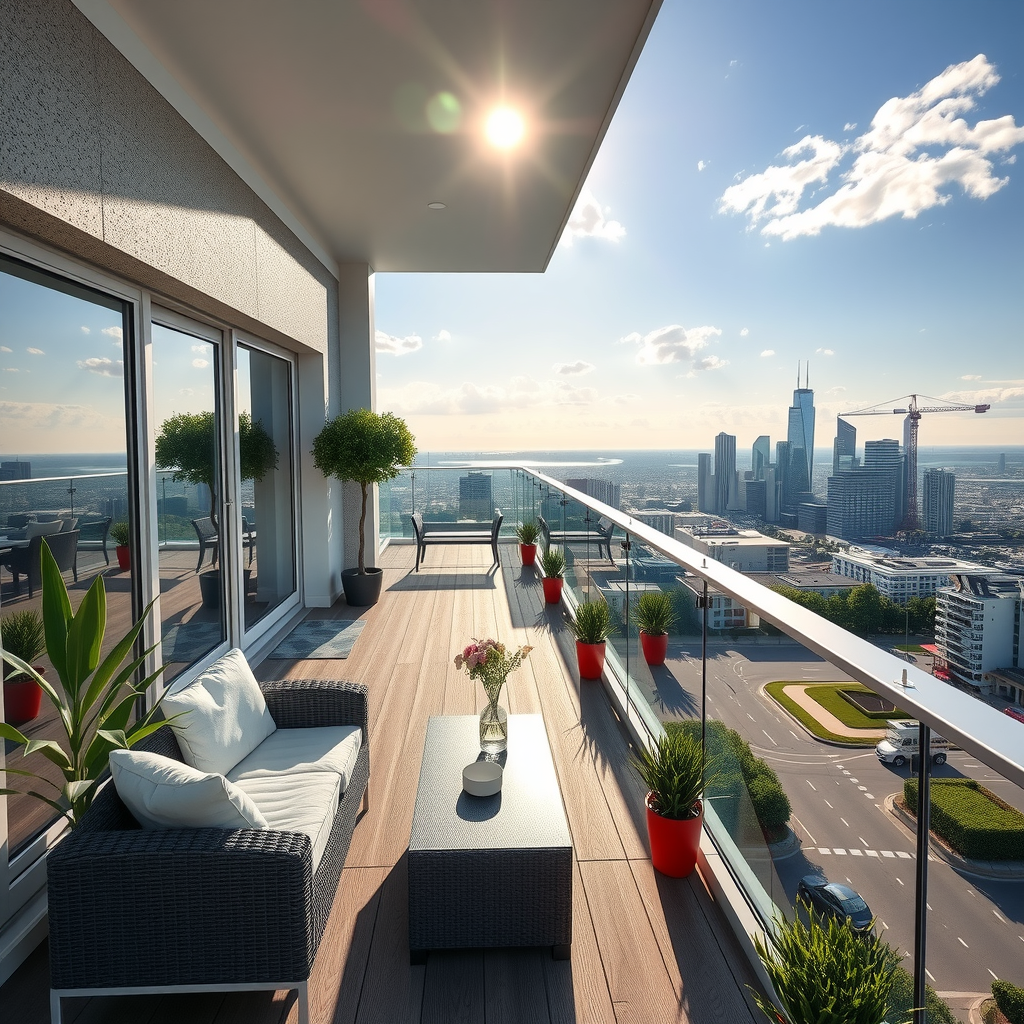
Residential glazing: A balance of aesthetics, daylight, and energy efficiency guides the choice of triple or double glazing with suitable coatings to manage warmth and glare.
-
Public buildings and transport hubs: Aesthetic impact, durability, and vandal resistance steer selections toward laminated and tempered glass with robust framing and reliable sealing.
Commercial and office façades: High-performance IGUs, Low-E coatings, and solar control glazing optimise energy use and occupant comfort. Dynamic glazing offers a sophisticated solution for large façades with variable sun exposure.
Institutional and healthcare facilities: Safety, acoustics, and reliability are critical. Laminated laminates and tempered glass, combined with robust sealing strategies, support quiet, safe indoor environments.
Residential glazing: A balance of aesthetics, daylight, and energy efficiency guides the choice of triple or double glazing with suitable coatings to manage warmth and glare.
Public buildings and transport hubs: Aesthetic impact, durability, and vandal resistance steer selections toward laminated and tempered glass with robust framing and reliable sealing.
When engaging an architectural glazing company, consider the following steps:
-
Define performance targets: Establish required U-values, solar heat gain coefficients (SHGC), acoustic ratings, and safety levels early in the brief.
-
Assess site and climate: Local climate data informs correct choice of coatings, gas fills in IGUs, and overall glazing thickness.
-
Verify compatibility: Ensure chosen glazing products are compatible with the structural system, waterproof detailing, and drainage strategy.
-
Plan for maintenance and lifecycle costs: Consider the long-term costs of cleaning, repainting frames, and potential panel replacement.
-
Collaboration and compliance: Work with an experienced glazing contractor who understands local building codes, fire performance requirements, and sustainability standards.
Define performance targets: Establish required U-values, solar heat gain coefficients (SHGC), acoustic ratings, and safety levels early in the brief.
Assess site and climate: Local climate data informs correct choice of coatings, gas fills in IGUs, and overall glazing thickness.
Verify compatibility: Ensure chosen glazing products are compatible with the structural system, waterproof detailing, and drainage strategy.
Plan for maintenance and lifecycle costs: Consider the long-term costs of cleaning, repainting frames, and potential panel replacement.
Collaboration and compliance: Work with an experienced glazing contractor who understands local building codes, fire performance requirements, and sustainability standards.
By selecting the right architectural glazing products and partnering with a knowledgeable architectural glazing company, projects can achieve a compelling balance of form, function, and efficiency. The resulting façades not only define a building’s character but also deliver tangible improvements in comfort, energy performance, and resilience for occupants and operators alike.