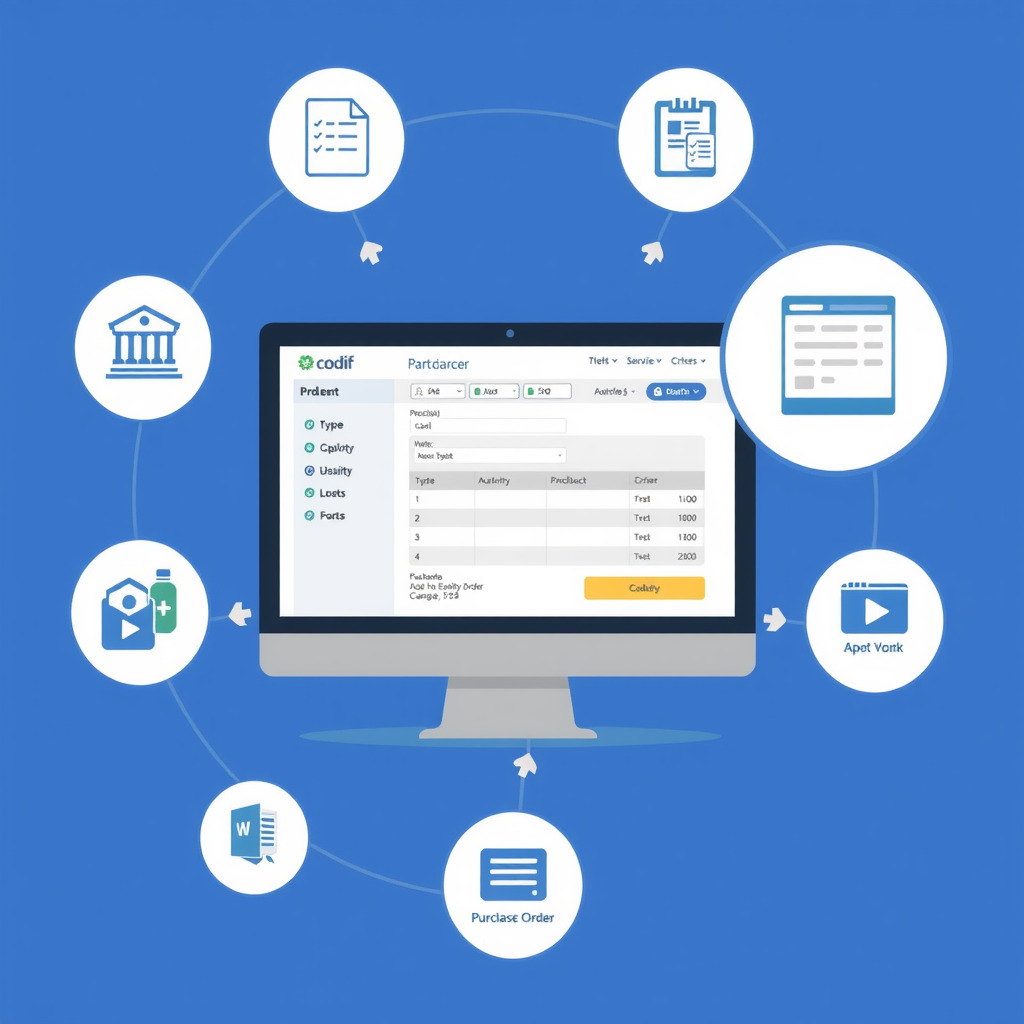


In an ever-evolving business landscape, companies are perpetually seeking ways to enhance efficiency and increase profitability. One of the most pivotal facets influencing an organisation’s Fiscal health is its purchasing operations. Central to this is the implementation of an effective Purchase Order (PO) system. A streamlined and optimally functioning purchase order system can vastly improve a company’s return on investment (ROI). This article delves into the intricacies of PO systems, their importance, and how to leverage them for maximum financial benefit.
Understanding the Purchase Order System
At its core, a purchasing order system is a tool that enables businesses to manage procurement activities efficiently. It facilitates the creation, tracking, and management of purchase orders, ensuring that all transactions are documented and streamlined. Utilising dedicated software for purchase orders not only reduces human error but also creates a transparent trail of each transaction, fostering accountability and traceability.
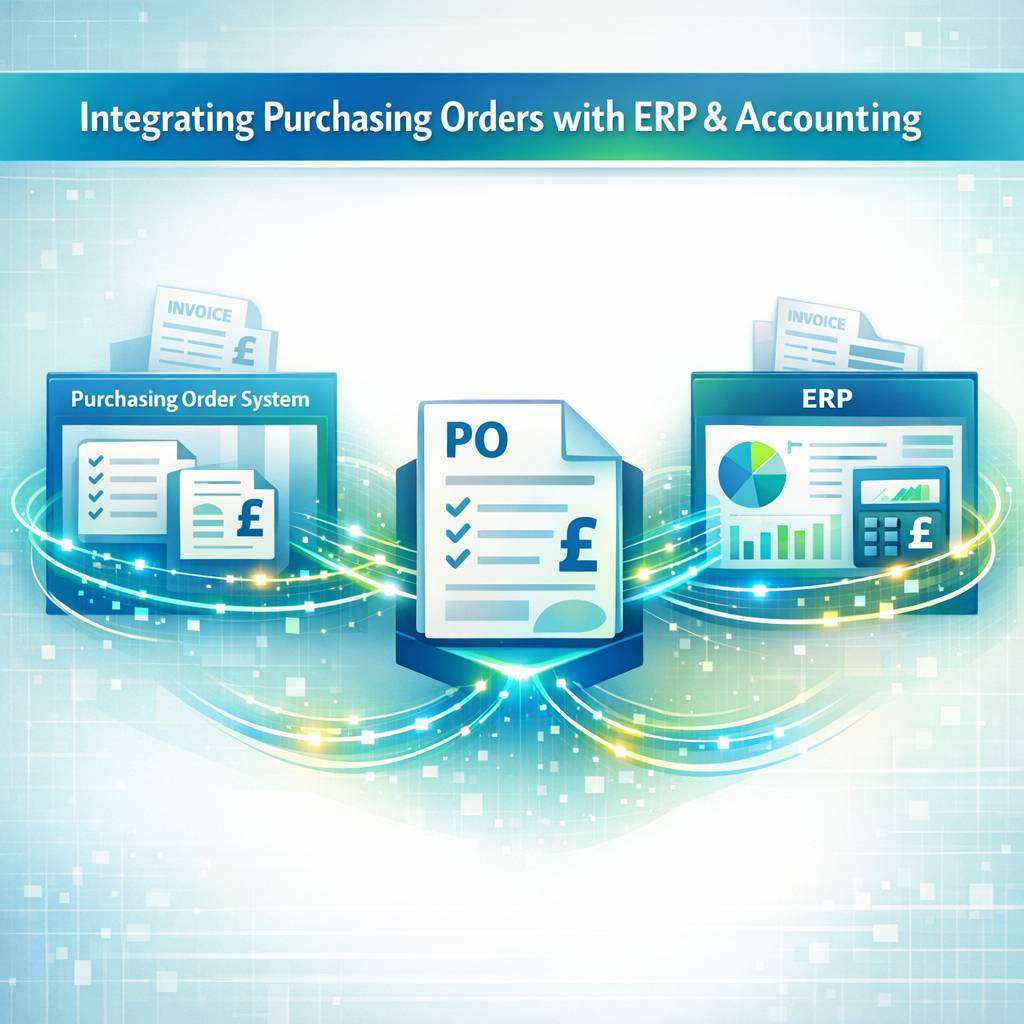
A robust purchase order system typically consists of several key components. These include an online purchase order system, user-friendly interfaces for both buyers and suppliers, and the ability to integrate with existing financial and inventory management systems. By adopting a cloud purchase order system, organisations benefit from heightened accessibility, real-time updates, and collaborative capabilities that are critical in today’s interconnected business environment.
Benefits of a Cloud Purchase Order System
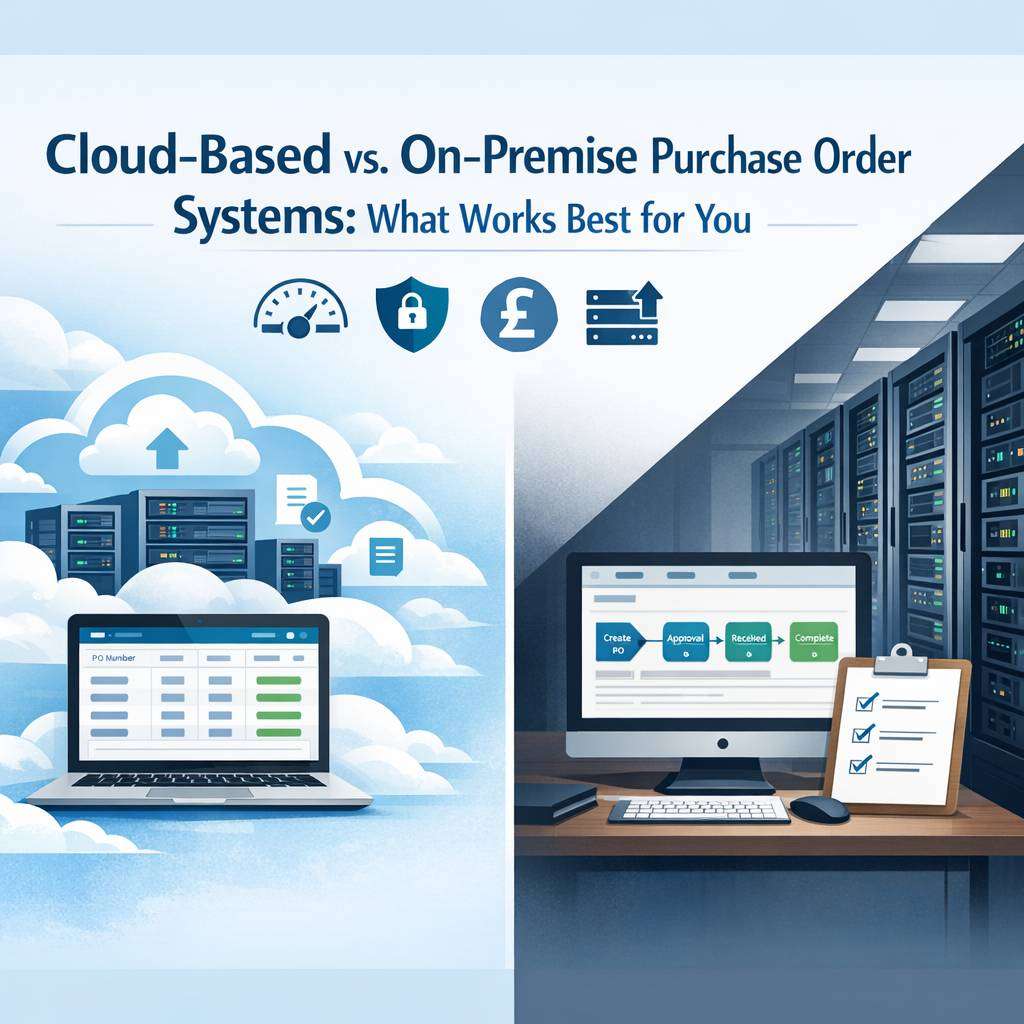
Transitioning to a cloud-based purchase order system offers numerous advantages over traditional methods. Unlike standard paperwork or on-premise solutions, cloud systems permit access from any location with internet connectivity, thus accommodating remote work environments. This flexibility not only enhances workflow but also allows organisations to respond swiftly to changing market conditions.
Moreover, cloud purchase order systems provide scalability—an essential feature for growing businesses. Firms can easily expand their operations without the burden of significant investments in infrastructure. Enhanced data security, regular updates, and maintenance handled by cloud providers further alleviate concerns over system vulnerabilities and out-of-date software.
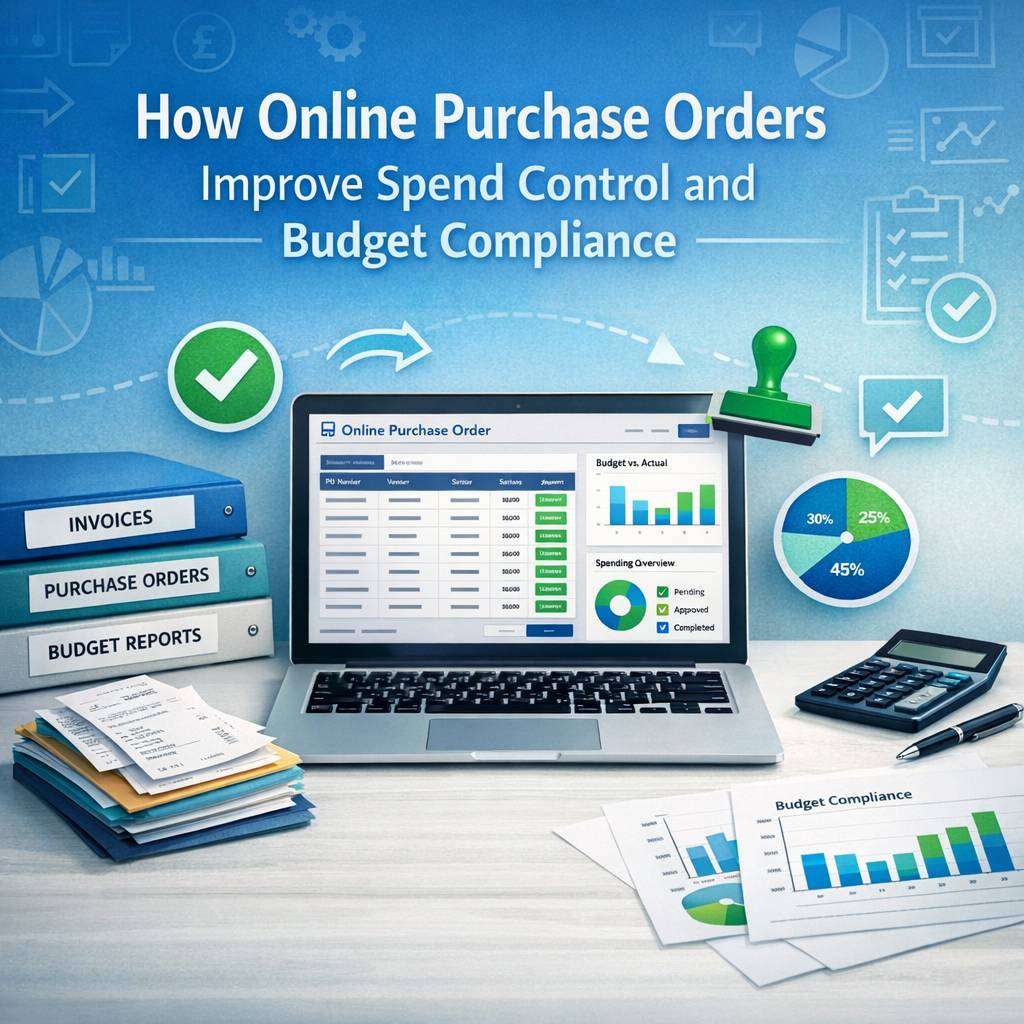
Implementing an efficient po system can revolutionize your business’s purchasing process. By automating procurement, organizations can streamline operations, reduce errors, and enhance compliance. A reliable PO system not only saves time but also provides better visibility into spending and supplier relationships, ultimately driving greater value and efficiency in your supply chain management strategies.
Streamlining Procurement Processes
The heart of maximising ROI lies in streamlining procurement processes, an area where effective purchase order system software excels. By automating repetitive tasks such as order approvals and invoice matching, organisations free up valuable time for personnel to focus on strategic initiatives. Automation reduces bottlenecks in the procurement cycle, ensuring timely delivery of goods and services, which in turn supports operational efficiency.
Furthermore, a purchasing order system enables businesses to implement standardised processes. Consistency in procurement practices contributes to negotiating better terms with suppliers, as well as enhanced relationship management. These efficiencies translate directly into cost savings, thereby enhancing overall profitability.
Promoting Compliance and Reducing Risks
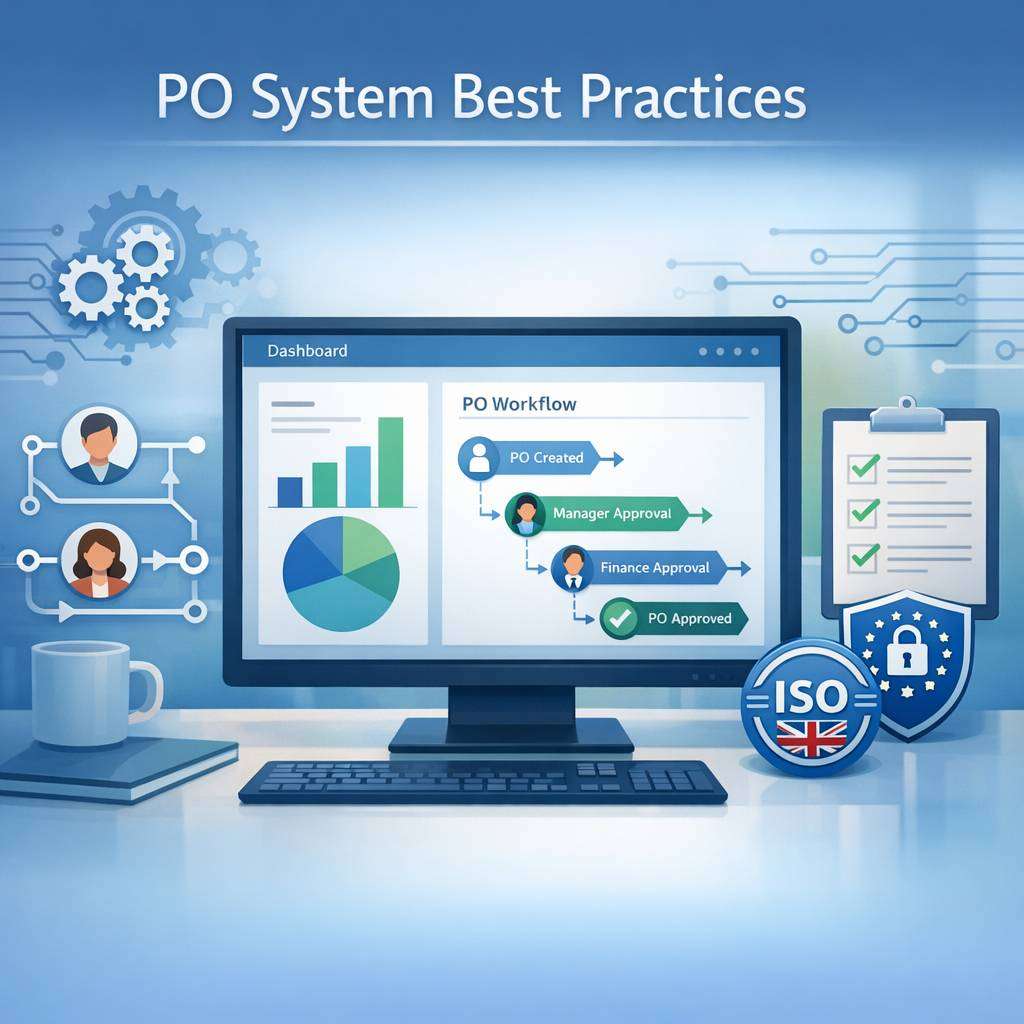
Compliance is a crucial concern for any business. An effective purchase order system significantly mitigates risks associated with procurement, such as fraud or non-compliance with regulatory standards. With the right software purchase order in place, approval workflows can be customised to enforce compliance checks and maintain corporate governance protocols.
Incorporating features that track supplier performance and compliance with contract terms enhances accountability. It also provides a valuable audit trail that can be leveraged during internal reviews or by external auditors. Such diligence not only safeguards the organisation’s interests but also fosters trust with stakeholders.
Enhancing Supplier Relationships
A well-structured purchase order system improves communication between buyers and suppliers, which is critical in building long-term partnerships. Efficiently managed purchase orders reduce misunderstandings and discrepancies, resulting in smoother transactions. The implementation of a sophisticated PO software allows for easier sharing of information, ultimately contributing to stronger supplier relationships.
Regular feedback loops enabled through the system can lead to better terms based on historical data and supplier performance. Furthermore, a collaborative online purchase order system fosters a sense of partnership, where both parties work towards mutual goals. This collaborative approach can often lead to volume discounts and enhanced service levels.
Data-Driven Decision Making
One of the most significant advantages of integrating advanced purchase order systems is the wealth of data they generate. With software for purchase orders providing insights into expenditure patterns, stock levels, and supplier performance, organisations can make informed, data-driven decisions. This intelligence is essential for strategic planning and can highlight areas for potential cost reduction or investment.
For instance, businesses can analyse purchasing trends to anticipate demand, optimise inventory levels, and reduce excess stock holding. Furthermore, leveraging analytics capabilities within the PO system can identify inefficiencies in procurement operations that might be eroding profit margins. By utilising this data effectively, organisations ensure they are making proactive and strategic choices that contribute to maximising ROI.
Investing in Training and Change Management
The effectiveness of any purchase order system is contingent upon user adoption and engagement. Investing in training for staff to ensure they are proficient in using the new system is vital. Furthermore, an emphasis on change management can ease the transition to the new software, minimising disruptions and ensuring that users are fully aware of the benefits the new system offers.
In conclusion, adopting an effective purchase order system is a strategic decision that can yield significant returns over time. By embracing modern solutions such as cloud-based PO software, businesses can streamline procurement processes, enhance compliance, strengthen supplier relationships, and leverage data for decision-making—all crucial elements in maximising ROI. Investing in a robust purchasing order system is not merely an operational requirement but a critical element of overall organisational success.