

In the world of industrial automation and logistics, conveyor systems are the backbone of efficiency. They streamline processes, transporting goods seamlessly from one point to another, and often represent a significant investment for businesses aiming to optimise operations. However, like all technologies, conveyor systems are continually evolving. The quest for greater efficiency, safety, and flexibility drives the development of innovative solutions that not only enhance traditional conveyor designs but also introduce entirely new methodologies.
This article delves into the top five innovations in conveyor technology that are shaping the landscape of material handling. From advancements in automation to improved energy efficiency, these innovations are setting new standards for conveyor systems and ensuring that businesses remain competitive in an ever-changing market.
Conveyors play a vital role in streamlining production processes across various industries. By transporting materials efficiently, conveyors reduce labor costs and improve overall productivity. Available in a range of designs, they cater to diverse applications, from manufacturing to logistics. Investing in the right conveyor system can lead to significant operational enhancements and cost savings over time.
1. Smart Conveyors: The Future of Automation
One of the most significant innovations in conveyor technology is the rise of smart conveyors. These advanced systems integrate sensors, IoT (Internet of Things) capabilities, and artificial intelligence to create a more responsive and adaptable material handling environment. Smart conveyors can monitor the flow of materials in real-time, allowing for swift adjustments and enhanced performance.
With the ability to collect and analyse data on operational metrics, smart conveyor systems provide valuable insights that can lead to process optimisation. For instance, they can identify bottlenecks, track maintenance needs, and forecast potential downtime, enabling proactive management of conveyor systems. This not only reduces costs but also improves productivity, ensuring that goods move smoothly throughout the supply chain.
2. Modular Conveyor Systems: Flexibility and Scalability
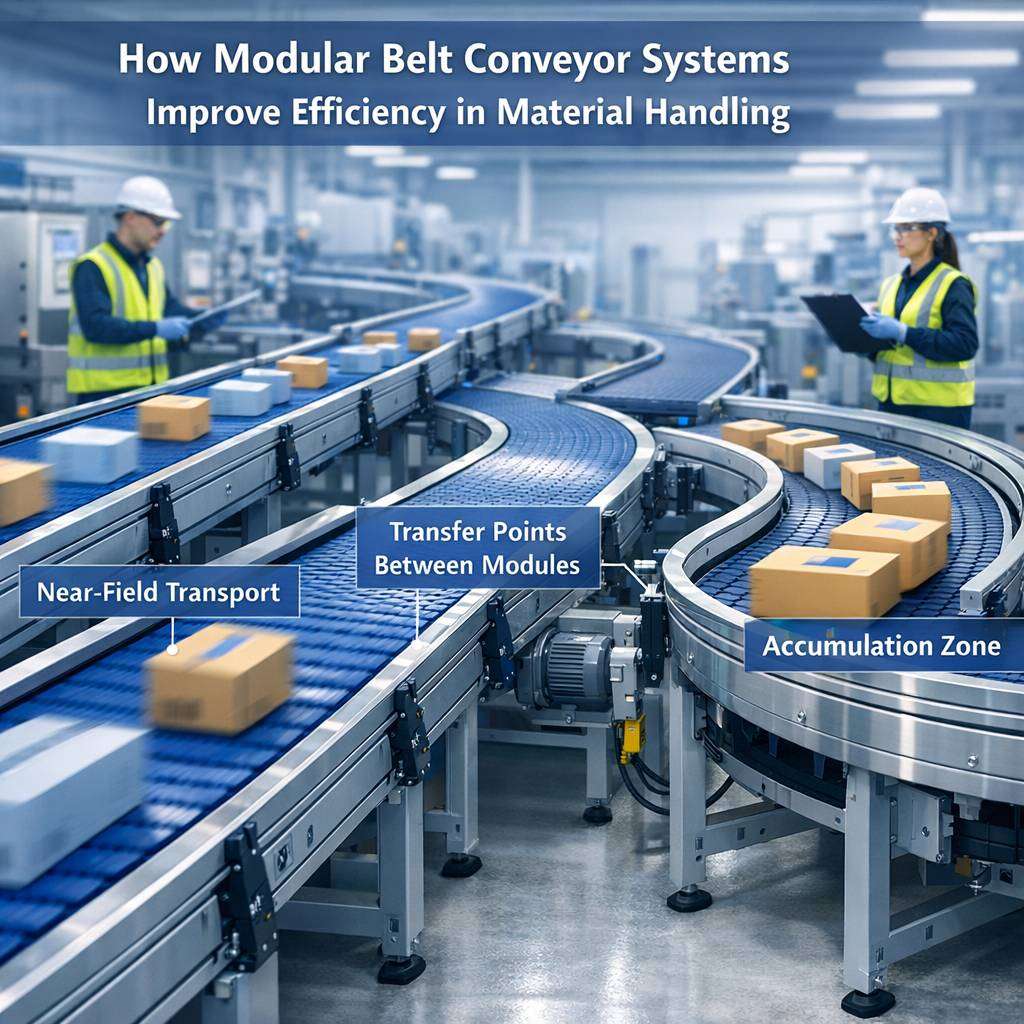
The demand for flexibility in modern manufacturing and distribution environments has given rise to modular conveyor systems. Unlike traditional conveyor setups that often require extensive infrastructure and fixed layouts, modular conveyors are designed for easy reconfiguration and scalability.
This innovative approach allows businesses to adapt their conveyor configurations to suit changing product lines, production volumes, or distribution needs. Modular conveyor systems can be quickly assembled, disassembled, and reconfigured without the need for extensive downtime or investment in new equipment. This scalability makes them particularly appealing for companies responding to seasonal demand fluctuations or those experimenting with new processes or products.
Moreover, many modular conveyor systems are designed to integrate seamlessly with existing equipment, providing a cost-effective solution for companies looking to enhance their material handling capabilities without overhauling their entire operations.
3. Energy-Efficient Conveyor Technology
As sustainability becomes a priority for many industries, energy-efficient conveyor technology is gaining traction. Innovative designs and materials are being developed to reduce the energy consumption of conveyor systems while maintaining their performance. This shift is particularly important as companies seek to lower operational costs and meet environmental regulations.
One notable advancement is the use of energy-efficient motors and drives. These components can dramatically reduce the energy required to operate conveyors, especially in systems that run for extended periods. Moreover, the use of lightweight materials in conveyor constructions minimises the load on motors, further enhancing energy efficiency.
In addition to hardware innovations, software solutions that optimise conveyor operations by analysing workflow patterns can also contribute to significant energy savings. By ensuring that conveyor systems only operate when needed, businesses can diminish their carbon footprint and energy expenses, simultaneously supporting sustainability goals.
4. Automated Guided Vehicles (AGVs)
The integration of Automated Guided Vehicles (AGVs) with conveyor systems marks a significant step forward in material handling technology. AGVs are mobile robots that can transport goods independently throughout a facility. When paired with conveyor systems, AGVs offer unparalleled flexibility in moving products where they are needed most, reducing labour costs and minimising the risk of human error.
AGVs can be programmed to follow specific routes or respond dynamically to changing conditions within the facility. This adaptability makes them an invaluable addition to conveyor technology, especially in environments where layouts frequently change or where varied product types require different handling procedures.
The synergy between AGVs and conveyor systems not only enhances efficiency but also optimises floor space by allowing businesses to implement a more fluid production and distribution strategy. This integration reflects a broader trend towards automation in logistics, where traditional conveyor operations are being augmented by mobile technologies for a more dynamic material handling solution.
5. Enhanced Safety Features in Conveyor Systems
As workplace safety becomes increasingly prioritised within industrial operations, conveyor technology is also evolving to better protect workers. New safety features in conveyor systems are designed to reduce the risk of accidents and ensure compliance with health and safety regulations.
Innovations such as proximity sensors, emergency stop buttons, and automatic shut-off systems play a crucial role in enhancing safety on the factory floor. These technologies can detect when a worker is too close to moving components, automatically halting operations to prevent accidents.
Additionally, conveyor systems are now being designed with modular safety enclosures that can be added to existing systems. This allows businesses to retro-fit safety features without extensive modifications or significant downtime, making it easier for companies to enhance their safety protocols without overhauling their current infrastructure.
These innovations reflect a growing recognition of the need for safe, efficient material handling solutions that protect workers while maintaining productivity. The future of conveyor technology not only promises greater efficiency but also a commitment to creating safer working environments.
As these innovations continue to evolve and reshape the conveyor landscape, staying informed will be crucial for businesses looking to remain competitive in the fast-paced world of industrial operations. By embracing these advancements, companies can optimise their workflows, enhance safety, and ultimately boost profitability.