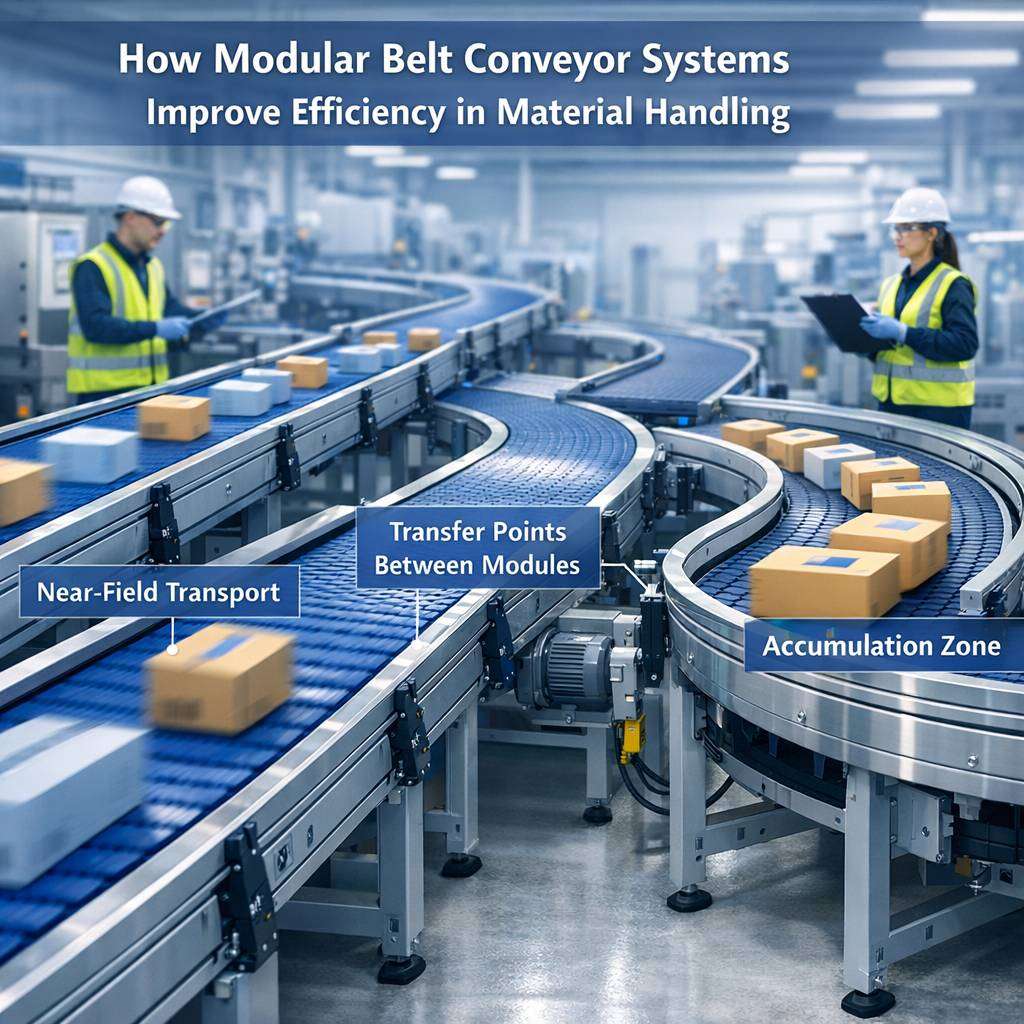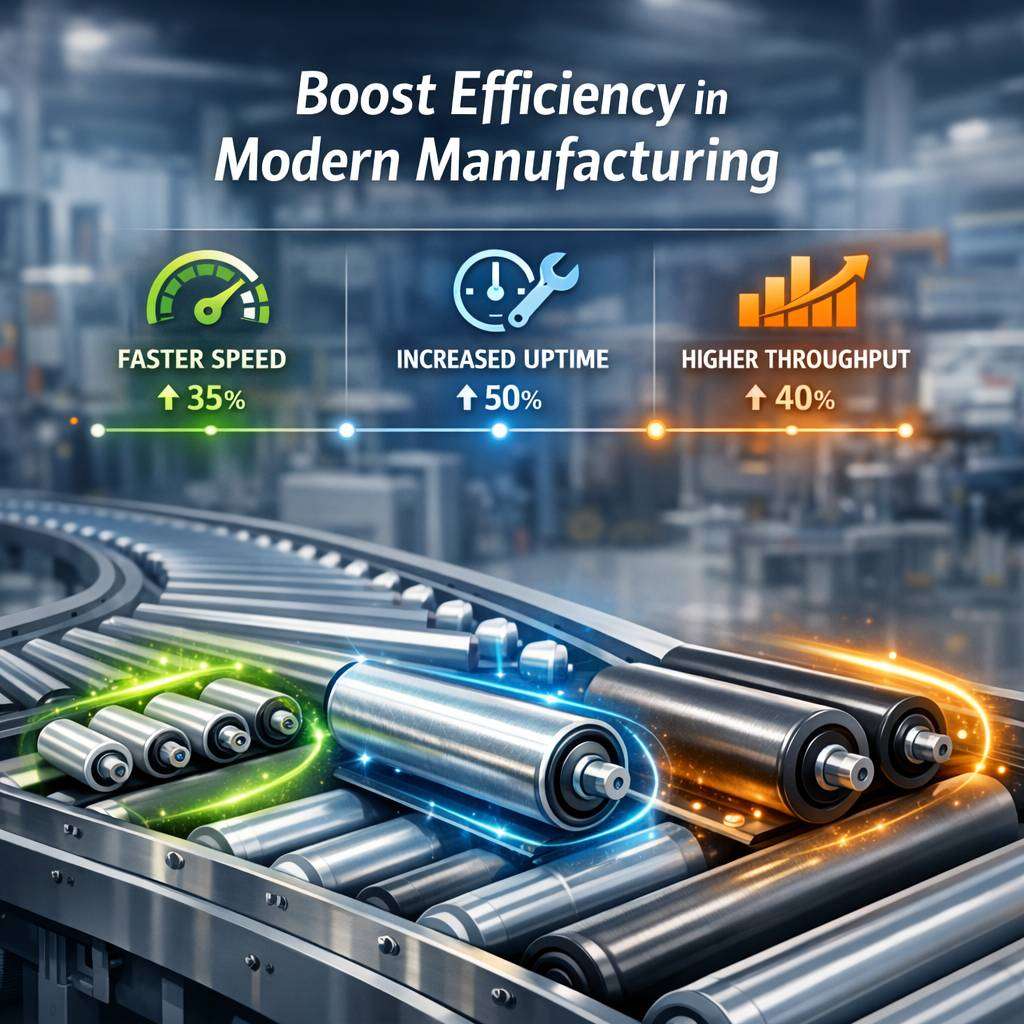


In the bustling world of manufacturing and warehousing, efficiency is crucial for staying competitive. One of the most significant advancements in modern logistics and production processes is the invention and implementation of conveyor systems. These remarkable systems streamline the movement of goods and materials, allowing businesses to optimise their operations and improve productivity. In this post, we’ll explore how conveyors enhance efficiency in manufacturing and warehousing, shedding light on their benefits, various types, and practical applications.
The Basics of Conveyor Systems
Before we delve into the specifics, it’s essential to understand what conveyor systems are. At their core, conveyors are mechanical devices that transport materials from one place to another. They come in various forms, including belt, roller, screw, and chain conveyors, each designed to cater to specific types of materials and applications.
Conveyor systems are utilised in a wide array of industries, from automotive manufacturing and food processing to warehousing and distribution. They help streamline operations by automating the movement of products, making it easier to manage workflows and enhancing the overall efficiency of production and logistics processes.
Reducing Manual Labour
One of the most significant advantages of conveyors is their ability to reduce manual labour. In industries where heavy lifting and repetitive tasks are the norm, relying on human workers can lead to fatigue, increased error rates, and potential injuries. By implementing conveyor systems, companies can significantly minimise the physical strain on their employees.
With conveyors taking care of the heavy lifting, staff can focus on more value-added tasks, such as quality control, inventory management, and customer service. This not only enhances worker morale but also contributes to a more engaged and productive workforce.
Streamlining Workflow
Efficient workflow is a cornerstone of a successful operation, and conveyor systems play an integral role in achieving this. By providing a continuous flow of materials and products, conveyors eliminate bottlenecks and interruptions in the production line.
For instance, in a manufacturing facility, individual workstations can be connected with conveyors, allowing products to move seamlessly from one stage of production to the next. This streamlined approach minimises downtime and creates a smoother process overall. In warehouses, conveyors facilitate the rapid movement of inventory, ensuring timely order fulfilment and reducing lead times.
Flexibility in Design
Another remarkable feature of conveyor systems is their flexibility. They can be designed and configured in various ways to accommodate different layouts, product types, and business needs. Whether it’s a straight conveyor, a curved model, or an inclined system, the adaptability of conveyors means that businesses can tailor their systems to suit their specific operations.
Moreover, modern conveyor systems can be easily integrated with additional technologies such as sensors, scanners, and robotics. This integration allows for real-time monitoring of inventory, track-and-trace capabilities, and even the automation of picking and packing processes. As a result, businesses can stay ahead of the competition while maintaining a high level of operational efficiency.
Enhancing Safety
Safety is a paramount concern in any workplace, and conveyor systems can contribute significantly to a safer work environment. By reducing the need for manual handling of heavy items, conveyors help lower the risk of workplace injuries related to improper lifting techniques and repetitive strain.
Additionally, advancements in conveyor technology have led to more sophisticated safety features such as emergency stop buttons, guards, and sensors. These enhancements ensure that workers are safeguarded while interacting with machinery, fostering a culture of safety and compliance in the workplace.
Optimising Space
In a crowded warehouse or manufacturing facility, every square metre counts. Conveyor systems can help optimise available space by using vertical and horizontal configurations to transport products efficiently. This innovative use of space allows businesses to store more inventory or increase production capacity without the need for costly expansions or relocations.
By consolidating workflows and maximising storage options, conveyors create a more organised and efficient environment. This not only improves day-to-day operations but also allows for enhanced visibility of inventory, which is essential for effective stock management.
Improving Accuracy
Efficiency doesn’t just relate to speed; it’s also about accuracy. Conveyor systems can significantly improve the accuracy of inventory handling and order fulfilment. Automated conveyors equipped with scanning technology can keep track of products as they move through the system, ensuring that the right items are picked and packed for delivery.
This level of precision minimises errors and discrepancies, ultimately leading to higher customer satisfaction. Companies that invest in reliable conveyor systems can provide their clients with accurate fulfilment and timely deliveries, both of which are essential for maintaining a positive reputation and strong relationships.
In modern manufacturing, conveyors play a crucial role in streamlining production processes. These automated systems enhance efficiency, reduce labor costs, and improve safety, making them essential for businesses aiming to optimize their workflow and output.
In today’s competitive landscape, the efficiency brought about by conveyor systems in manufacturing and warehousing is more important than ever. By streamlining operations, reducing manual labour, enhancing safety, and improving accuracy, conveyor systems offer a comprehensive solution that can be tailored to meet the unique needs of any business. Investing in these technologies not only leads to increased productivity but also sets the foundation for sustainable growth in the ever-evolving industrial landscape.