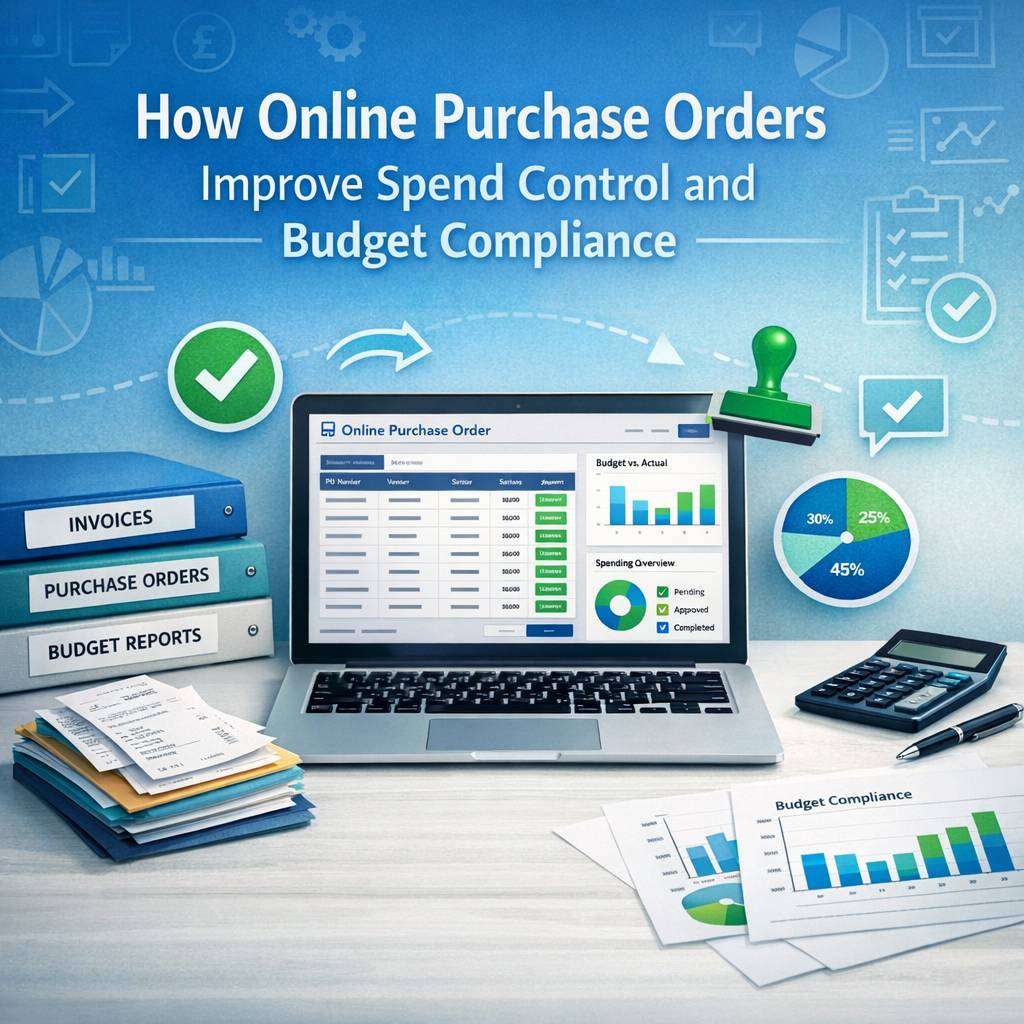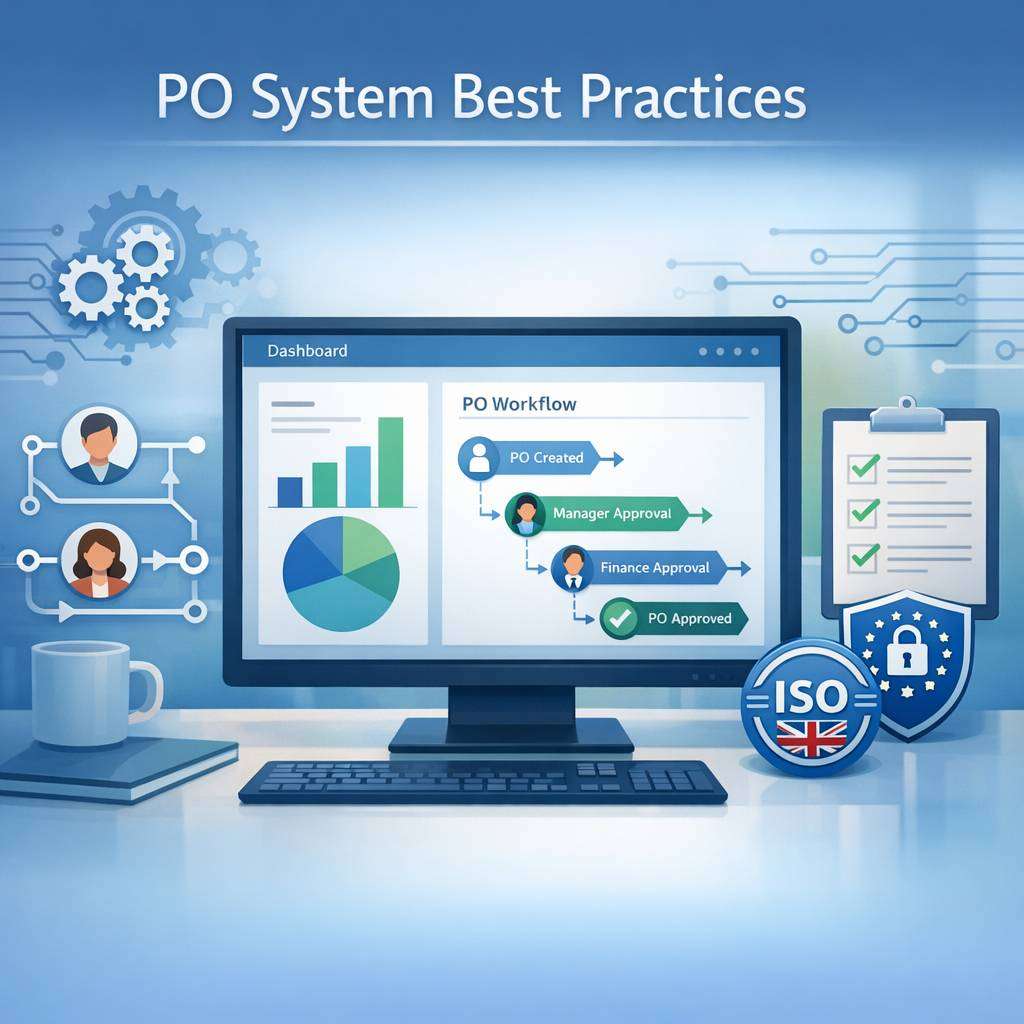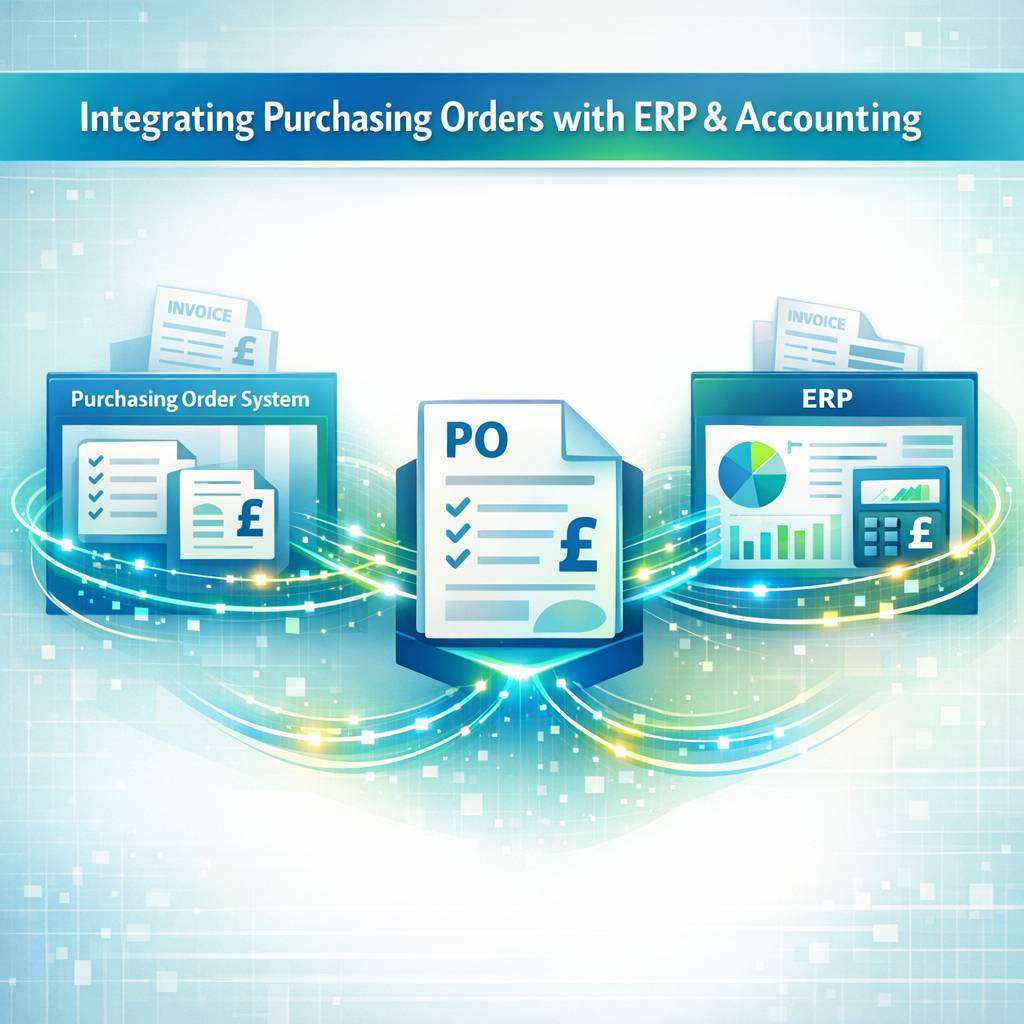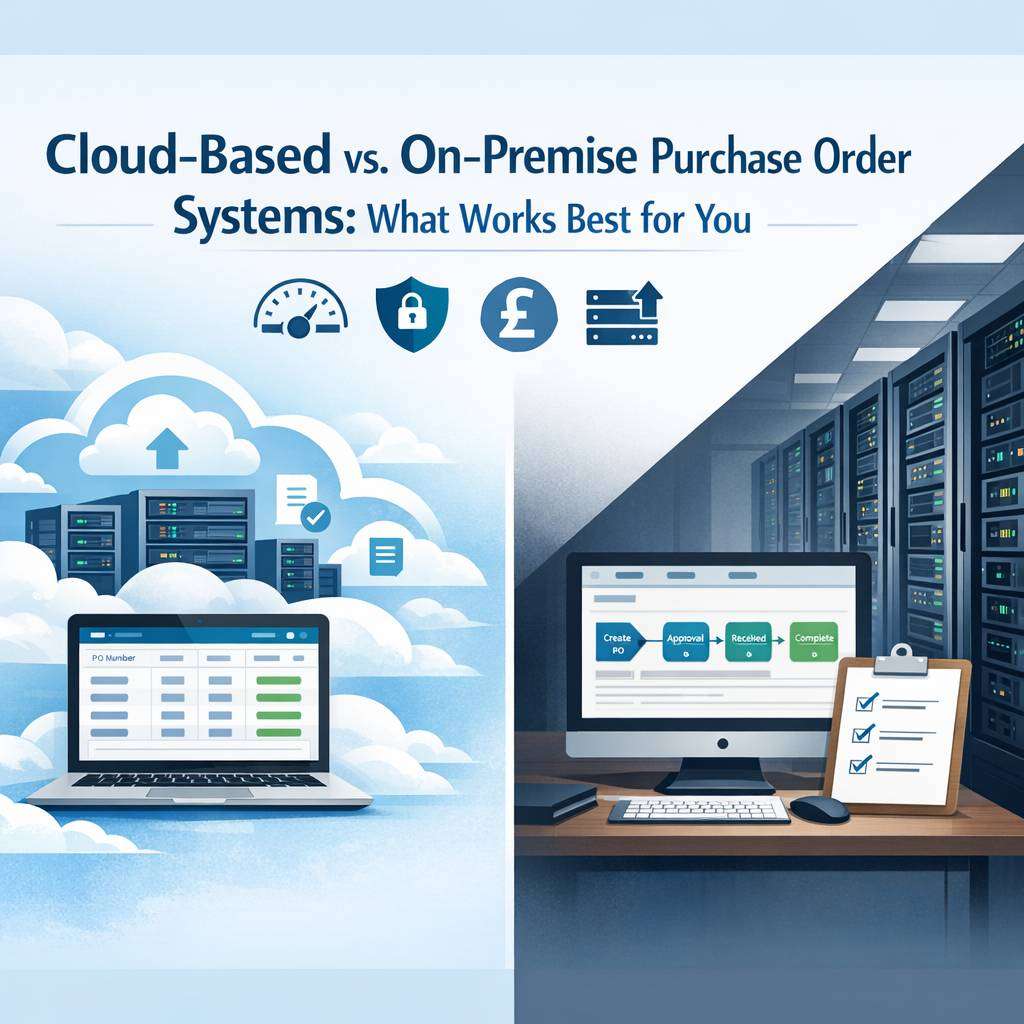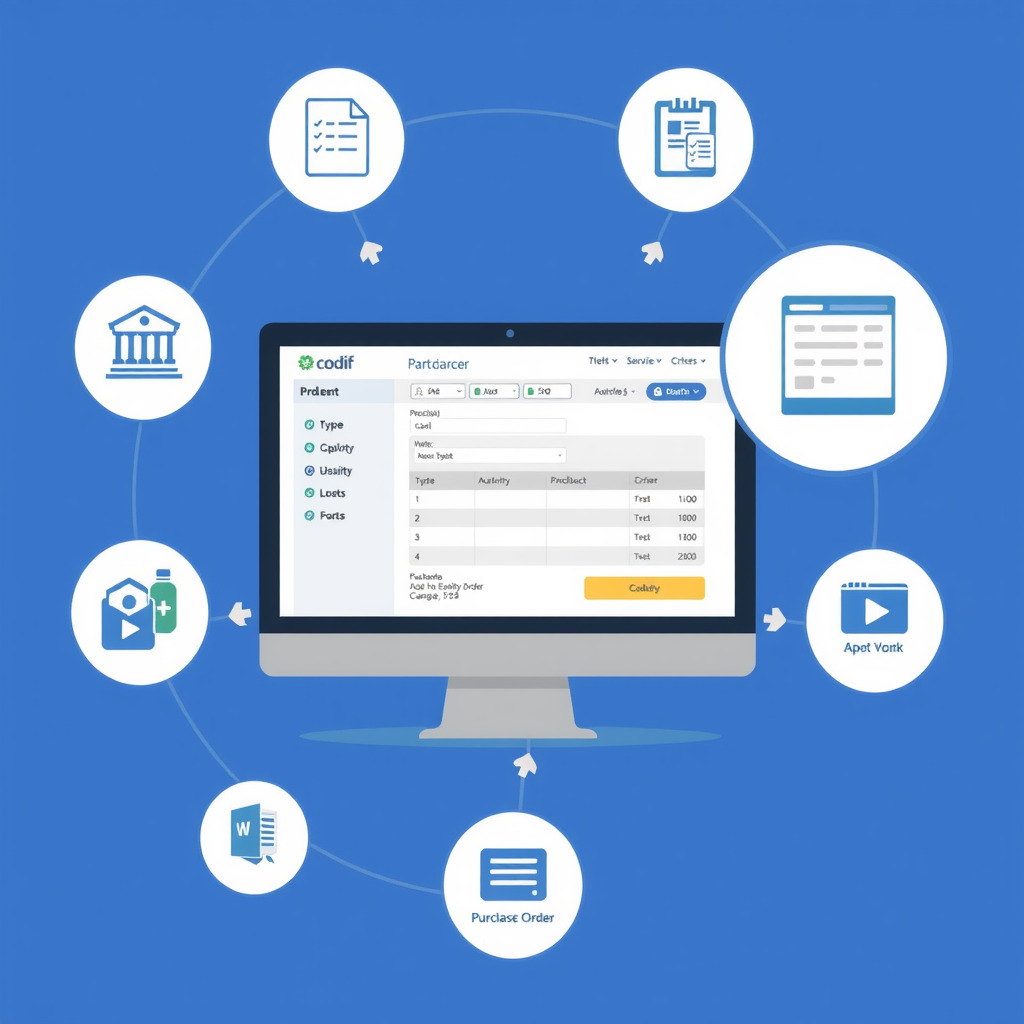


In today’s fast-paced business environment, an efficient purchase order system is crucial for streamlining procurement processes. It enhances accuracy, reduces errors, and saves time. Implementing a reliable solution can significantly improve your operations. Learn more about how to optimize your purchasing process with apurchase order system.
In today’s fast-paced business environment, the need for efficiency and accuracy in procurement processes has never been greater. For many organisations, transitioning from a traditional paper-based purchasing order system to a digital purchase order software is a critical step towards improving operational efficiency. In this blog post, we will explore the best practices and key considerations for implementing a digital purchase order management system, ensuring that your business can enjoy the myriad benefits of an online purchase order system.
Understanding the Benefits of a Digital Purchase Order System
Before diving into the transition process, it’s essential to understand why a software for purchase orders can revolutionise your purchasing processes.
Increased Efficiency: A digital purchase order system automates manual tasks, such as order creation and approval. This automation minimises paperwork and reduces the time spent on administrative tasks.
Enhanced Accuracy: Manual entry is prone to human error. Purchase orders software reduces errors by providing templates and pre-filling information, ensuring accurate order placement.
Greater Transparency: A digital system gives you real-time visibility into the status of purchase orders, enabling better tracking and management of expenses.
Improved Supplier Relationships: An efficient purchasing order system facilitates better communication with suppliers, leading to quicker response times and improved service.
Cost Savings: Digitisation often leads to cost reductions by streamlining operations, reducing paper costs, and enabling better spending oversight.
Conducting a Needs Assessment
Before selecting your purchase ordering software, it is crucial to conduct a thorough needs assessment. This process should involve:
-
Identifying Current Pain Points: Gather feedback from staff involved in the procurement cycle to understand what challenges they face with the existing manual system.
-
Defining Key Features: Determine what features are essential for your organisation. This may include invoice integration, reporting capabilities, and mobile access.
-
Aligning with Business Goals: Ensure that your chosen purchase order system supports your long-term business objectives. A direct correlation between software capabilities and business needs will facilitate a smoother transition.
Identifying Current Pain Points: Gather feedback from staff involved in the procurement cycle to understand what challenges they face with the existing manual system.
Defining Key Features: Determine what features are essential for your organisation. This may include invoice integration, reporting capabilities, and mobile access.
Aligning with Business Goals: Ensure that your chosen purchase order system supports your long-term business objectives. A direct correlation between software capabilities and business needs will facilitate a smoother transition.
Selecting the Right Purchase Order Software
With a clear understanding of your needs, the next step is selecting the right solution. Several factors should influence your decision:
-
User-Friendliness: Ensure that the software is intuitive and easy to navigate. A complex system can lead to poor user adoption.
-
Scalability: Choose a purchase order management system that can grow with your organisation. As your business expands, your software should be able to accommodate increased purchase volume efficiently.
-
Integration Capabilities: The chosen software should seamlessly integrate with existing systems such as accounting software or inventory management systems.
-
Vendor Support and Training: Consider the level of support provided by the vendor. A reliable supplier should offer comprehensive training, ongoing support, and resources to assist in the transition.
User-Friendliness: Ensure that the software is intuitive and easy to navigate. A complex system can lead to poor user adoption.
Scalability: Choose a purchase order management system that can grow with your organisation. As your business expands, your software should be able to accommodate increased purchase volume efficiently.
Integration Capabilities: The chosen software should seamlessly integrate with existing systems such as accounting software or inventory management systems.
Vendor Support and Training: Consider the level of support provided by the vendor. A reliable supplier should offer comprehensive training, ongoing support, and resources to assist in the transition.
Developing a Rollout Strategy
A successful transition to a digital purchase order system requires a well-thought-out rollout strategy. Here are some tips to ensure a smooth deployment:
-
Pilot Testing: Begin with a small-scale pilot before full-scale implementation. This allows your team to identify any issues and address them promptly.
-
Engage Stakeholders: Involve key stakeholders from various departments in the transition process. Their input will be invaluable in tailoring the system to meet diverse needs.
-
Establish Clear Protocols: Define clear protocols for using the new software. This includes setting up procedures for order approval, supplier engagement, and handling discrepancies.
-
Promote User Adoption: Encourage staff to embrace the new system by highlighting its advantages and providing training sessions. User adoption is critical for harnessing the full potential of your purchase orders software.
Pilot Testing: Begin with a small-scale pilot before full-scale implementation. This allows your team to identify any issues and address them promptly.
Engage Stakeholders: Involve key stakeholders from various departments in the transition process. Their input will be invaluable in tailoring the system to meet diverse needs.
Establish Clear Protocols: Define clear protocols for using the new software. This includes setting up procedures for order approval, supplier engagement, and handling discrepancies.
Promote User Adoption: Encourage staff to embrace the new system by highlighting its advantages and providing training sessions. User adoption is critical for harnessing the full potential of your purchase orders software.
Training and Support for Staff
Transitioning to a digital system is not only about implementing new technology but also about empowering your team to use it effectively. Here are strategies to enhance staff training:
-
Structured Training Programmes: Develop a comprehensive training programme covering all aspects of the new purchasing order system.
-
Multiple Learning Formats: Offer training in various formats such as online tutorials, hands-on workshops, and Q&A sessions to cater to different learning preferences.
-
Ongoing Support: Implement a support system for users to address queries and difficulties they encounter. This could be a dedicated helpdesk or a forum for staff to share tips and solutions.
Structured Training Programmes: Develop a comprehensive training programme covering all aspects of the new purchasing order system.
Multiple Learning Formats: Offer training in various formats such as online tutorials, hands-on workshops, and Q&A sessions to cater to different learning preferences.
Ongoing Support: Implement a support system for users to address queries and difficulties they encounter. This could be a dedicated helpdesk or a forum for staff to share tips and solutions.
Monitoring and Continuous Improvement
Once the transition is complete, the journey doesn’t end there. To fully benefit from your new purchase order system, continuous monitoring and improvement are essential:
-
Collect Feedback: Regularly seek input from users regarding the system’s functionality. This feedback will help identify areas for improvement.
-
Track Performance Metrics: Measure key performance indicators, such as order processing time and error rates, to gauge the efficacy of the new system.
-
Adapt and Evolve: Stay abreast of updates to the purchase order software and adjust your organisational processes accordingly to ensure optimal performance.
Collect Feedback: Regularly seek input from users regarding the system’s functionality. This feedback will help identify areas for improvement.
Track Performance Metrics: Measure key performance indicators, such as order processing time and error rates, to gauge the efficacy of the new system.
Adapt and Evolve: Stay abreast of updates to the purchase order software and adjust your organisational processes accordingly to ensure optimal performance.
Transitioning to a digital purchase order system is more than a technological upgrade; it’s an opportunity to enhance your organisation’s procurement process significantly. By following these tips and best practices, your business can reap the benefits that digitalisation offers, paving the way for greater efficiency and improved supplier relationships in the ever-evolving landscape of procurement.