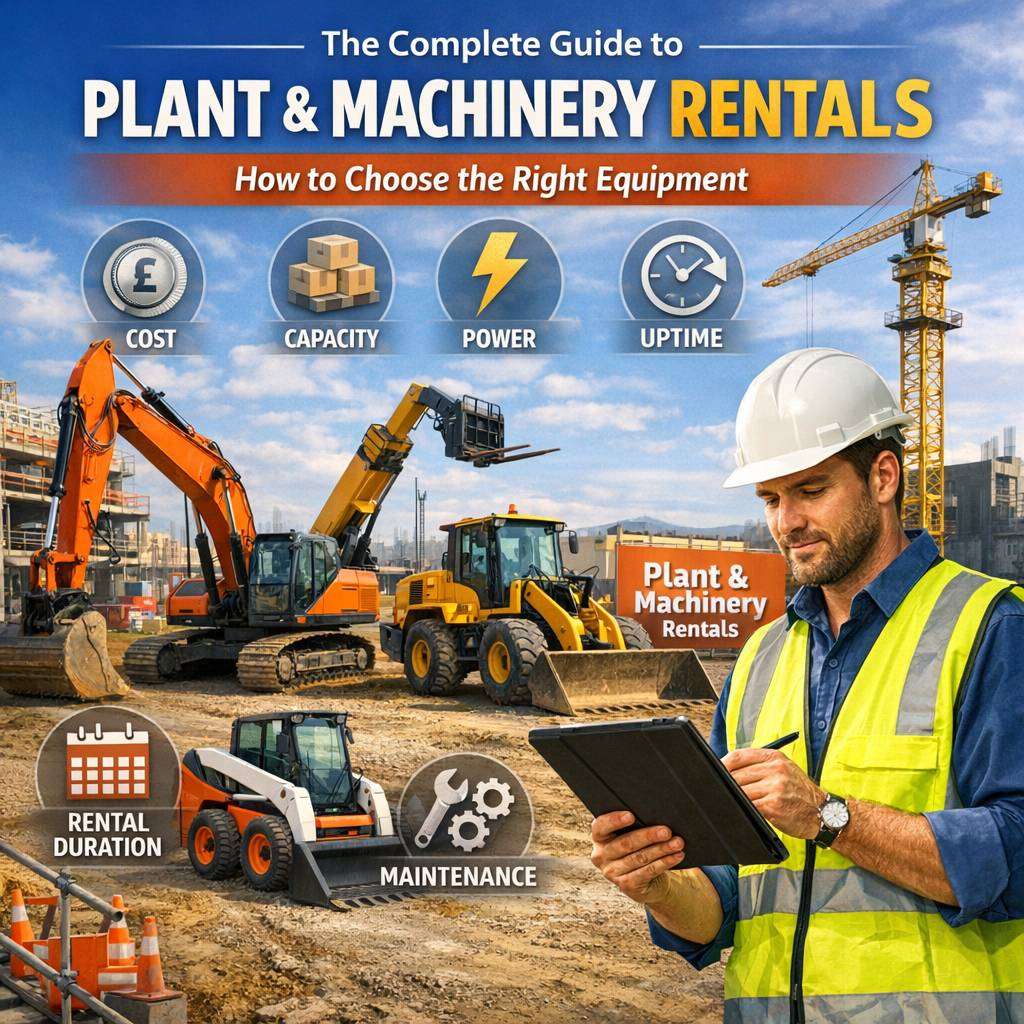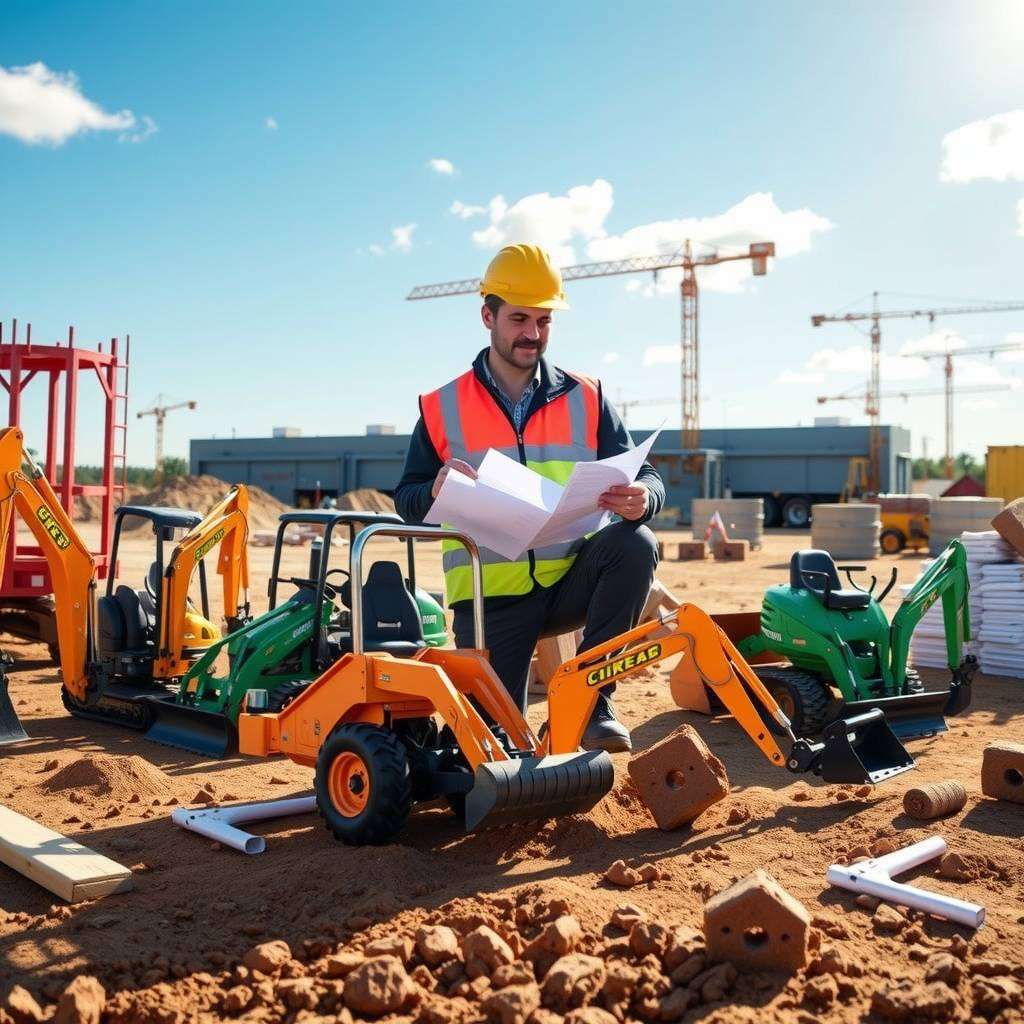

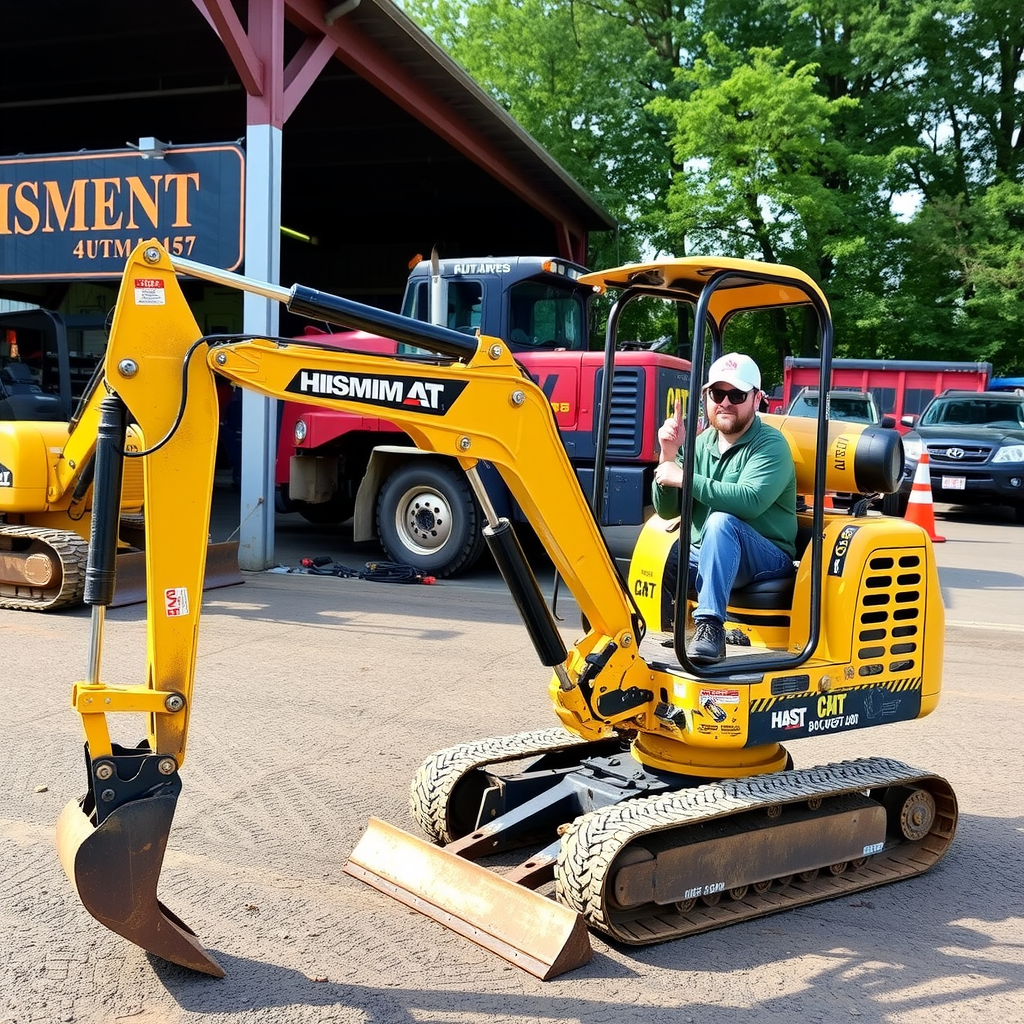
Mini diggers are an essential piece of equipment for countless construction and landscaping tasks. Their compact size coupled with powerful capabilities makes them perfect for tight spaces where larger machinery simply won’t fit. Whether you’re tackling a backyard renovation or a significant construction site, selecting the right mini digger can significantly impact the efficiency and effectiveness of your project. This guide will help you navigate the choices available, from new mini diggers for sale to reliable used mini diggers.
Understanding Mini Diggers
Before diving into specifications and models, it’s important to grasp what mini diggers are and why they are so popular in the construction industry. Mini diggers, also known as mini excavators, are designed for digging, lifting, and transporting earth and materials. Their small size allows for excellent manoeuvrability, making them ideal for urban projects or areas with limited access. Most models can reach depths of around 1.5 to 3 metres, allowing for various jobs from trenching to landscaping.
What to Consider When Choosing a Mini Digger
When selecting a mini digger, several vital factors should be considered to ensure you choose the best model for your specific project needs.
1. Project Requirements
Begin by assessing the scope of your project. Consider the type of work you will be performing and the materials you’ll be moving. Mini diggers come in various sizes and capacities, so knowing your project’s scale is crucial. For example, if you are engaged in heavy-duty excavation, you may need a more powerful model with a higher digging depth. Conversely, for simpler tasks like planting trees or small-scale landscaping, a lighter, more compact model would suffice.
2. Weight and Size
Mini diggers are classified by their operating weight. Typically, they range from 1 tonne to around 5 tonnes. The smaller models are ideal for residential jobs, while mid-range options are suitable for both residential and light commercial work. Ensure you consider the weight of the digger if you have restrictions on access routes or ground bearing pressure; heavier machines could damage fragile ground or may not be able to access certain areas.
FAQ: Mini Diggers
What is a mini digger?
A mini digger, also known as a compact excavator, is a small piece of construction equipment primarily used for digging and excavation tasks in tight spaces. Despite their size, mini diggers are powerful enough to handle various projects such as landscaping, trenching, and site preparation.
What are the advantages of using a mini digger?
Mini diggers offer several benefits including:
- Compact Size: They can operate in confined areas where larger machinery cannot fit.
- Maneuverability: Their agility allows for easy navigation on uneven terrains.
- Efficiency: Mini diggers can complete tasks quickly and efficiently due to their powerful hydraulics.
- Versatility: Many models come with interchangeable attachments like buckets or augers for different applications.
How much does it cost to rent or buy a mini digger?
The cost of renting or buying a mini digger varies based on factors such as brand, model, rental duration, and additional features. On average:
- Rental Prices: Daily rentals typically range from $150 to $400 depending on the machine’s capabilities.
- Purchase Prices: New units can range from $15,000 to $50,000+, while used options may be available at lower prices.
Do I need a license to operate a mini digger?
While specific licensing requirements vary by location and complexity of the task being performed, generally speaking:
- You may not need an official license for smaller jobs or personal use.
- For commercial operations or larger-scale projects requiring more advanced machinery handling skills (including safety protocols), training and certification may be required.
What types of attachments can be used with mini diggers?
Mini diggers are compatible with various attachments that enhance their functionality. Common attachments include:
- Digging buckets (various sizes)
- Augers
- Rakes
- Grading blades
- BreakersThese attachments allow operators to customise the machine according to specific project needs.
How do I determine what size mini digger I need?
Choosing the right size depends on several factors such as:
- The nature of your project (depth/width requirements).
- Accessibility of the job site (room for maneuvering).
- Load capacity needs (weight you intend to move).Consider consulting with our sales team; they will provide recommendations based on your unique project specifications.
Where can I find spare parts for my mini digger?
Spare parts for your mini digger can typically be sourced through:
- Authorized dealers associated with specific brands,
- Specialty shops that focus on plant machinery,
- Online retailers specialising in excavator components,
- Our company also offers support in finding reliable sources once you share your machine’s make/model details!
If you have further questions about our rental options or purchasing processes related specifically to our fleet of minidiggers, don’t hesitate to contact us!
3. Attachments and Versatility
Another significant advantage of mini diggers is their versatility, thanks to various attachments available. Common attachments include buckets, augers, and breakers. When selecting your mini digger, consider what attachments are compatible and readily available to suit your potential task variations. If you anticipate needing multiple attachments, look for models that provide easy interchangeability between them.
4. New vs Used Mini Diggers
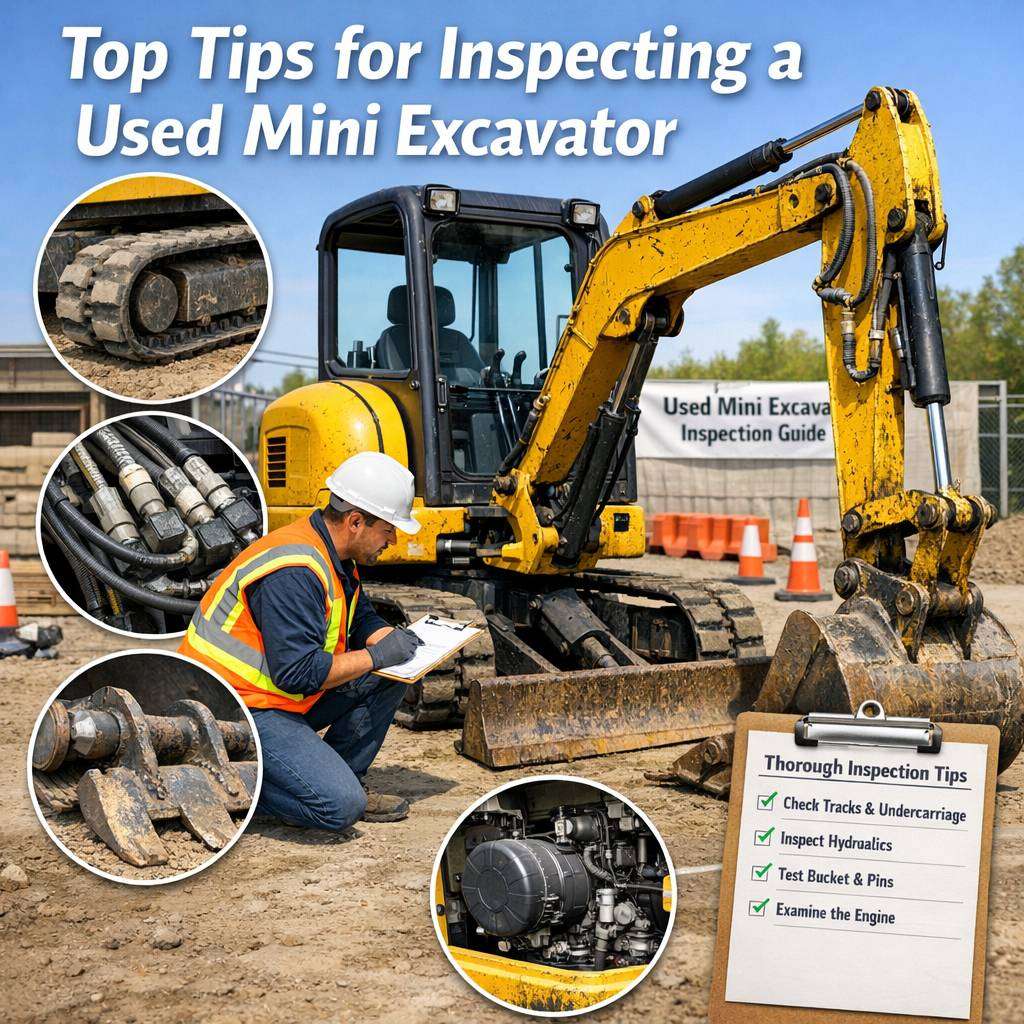
Deciding between new mini diggers for sale and used mini diggers largely depends on your budget and requirements. New models typically come with the latest technology, warranties, and fuel efficiency, which can save you money in the long run. However, if you are working within a tight budget, there are many high-quality used mini diggers on the market. When considering a used model, it’s essential to check its operating hours, maintenance history, and general condition to avoid unforeseen expenses.
Operating a Mini Digger: Safety Measures
Operating a mini digger can be a straightforward task, but safety should always be your top priority. Always ensure that operators are fully trained and familiar with the machine’s controls. Moreover, be aware of your surroundings—ensure overhead wires and underground utilities are identified and accounted for before commencing work. Implementing proper safety gear and protocols will protect both the operator and those working in the area.
Where to Buy Mini Diggers
When the time comes to purchase or rent your mini digger, there are several avenues to explore. Many reputable companies offer both new and used mini diggers for sale, along with rental options for short-term projects. It’s advisable to visit local suppliers who can provide guidance based on your needs, and they often have knowledgeable staff who can assist in narrowing down your choices. Don’t forget to read reviews and ask for recommendations to ensure satisfaction with your purchase.
In summary, selecting the right mini digger involves careful consideration of your project’s requirements, the digger’s size, weight, and versatility. Whether opting for a new model or evaluating reliable used mini diggers, ensure that safety and operational needs are kept at the forefront. By following these guidelines, you’ll be better prepared to tackle your next project with confidence!
Discover the versatility of mini diggers at https://www.sjhallplant.com. Ideal for tight spaces and smaller jobs, these compact machines deliver powerful performance without compromising on efficiency. Whether you’re looking to rent or buy, our extensive range of mini diggers is perfect for any construction project. Experience ease and reliability with our top-quality equipment.